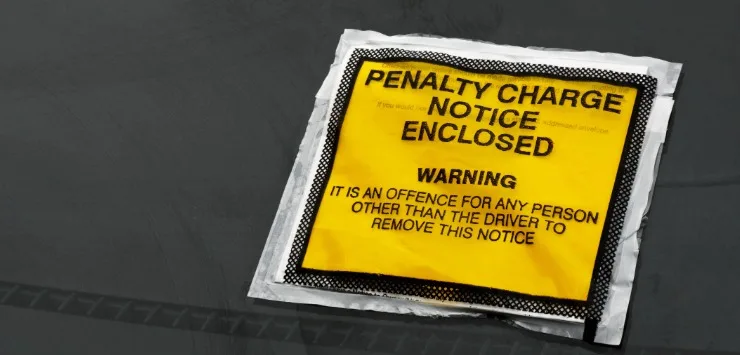
A penalty charge notice can disrupt your day and leave you wondering whether you should simply pay the fine or challenge it. While some notices are issued correctly, others may result from misunderstandings, unclear signage, or administrative errors. If you believe the decision is unfair, submitting a PCN appeal can provide an opportunity to have your case reviewed.
Legateca helps motorists understand the appeal process and prepare a clear response supported by relevant evidence. Knowing your rights and following the correct procedure can make a significant difference when dealing with parking or traffic penalties.
What Does a Parking Penalty Mean?
Local councils and enforcement authorities issue notices when they believe a vehicle has breached parking or traffic rules. These rules are intended to improve road safety, reduce congestion, and ensure fair use of public parking spaces.
A notice may be issued for reasons such as:
- Parking in a restricted zone.
- Staying longer than the permitted time.
- Entering a bus lane or restricted road.
- Parking without displaying a valid permit.
- Ignoring temporary parking restrictions.
- Stopping where waiting is prohibited.
Although many notices are valid, there are situations where the circumstances deserve further review.
Review Every Detail Carefully
The first step after receiving a notice is to read it thoroughly. Check that all the information is accurate, including the vehicle registration number, location, date, time, and description of the alleged offence.
Even small errors can be important. You should also compare the information with your own records, photographs, payment receipts, or any other documents that may support your position.
Taking time to understand the details before responding can help you avoid unnecessary mistakes.
Situations That May Justify an Appeal
Not every case is the same. There are several circumstances where challenging the decision may be appropriate.
Examples include:
- Incorrect vehicle details.
- Parking payment was successfully completed.
- Road signs were unclear or missing.
- A valid permit was displayed.
- Medical emergencies or unavoidable incidents.
- The vehicle experienced a mechanical failure.
- Evidence shows the alleged contravention did not occur.
Each appeal should focus on facts rather than assumptions.
Preparing a Strong PCN Appeal
A successful PCN appeal depends on presenting a logical explanation supported by evidence. Instead of making emotional arguments, explain exactly what happened and include documents that verify your statement.
Useful evidence may include:
- Photographs of the parking location.
- Copies of parking tickets.
- Digital payment confirmations.
- Dashcam recordings.
- Vehicle repair invoices.
- Witness statements.
- Official permits or authorisation letters.
Keeping your documents organised allows the reviewing authority to assess your case more efficiently.
Avoid Missing Important Deadlines
Every notice includes time limits for payment and appeals. Ignoring these deadlines may result in higher charges or fewer opportunities to challenge the decision.
Once you receive the notice:
- Read all instructions carefully.
- Record the submission deadline.
- Gather supporting documents.
- Submit your response before the deadline expires.
- Keep copies of everything you send.
Being organised helps prevent unnecessary delays and complications.
Mistakes That Can Weaken Your Case
Many motorists reduce their chances of success by making avoidable errors during the appeal process.
Some common mistakes include:
- Waiting too long before responding.
- Providing incomplete evidence.
- Sending unclear photographs.
- Using emotional or aggressive language.
- Forgetting to include reference numbers.
- Ignoring requests for additional information.
A clear, factual, and well-documented submission is generally more effective than a lengthy explanation without evidence.
What Happens After Submission?
After your appeal is received, the authority reviews all available information. This may include enforcement officer records, camera images, parking data, and the evidence you submitted.
The outcome may be one of the following:
- The notice is cancelled.
- The appeal is rejected.
- Additional evidence is requested before a decision is made.
If the appeal is unsuccessful, you may still have access to further review procedures depending on the applicable regulations.
Benefits of Professional Assistance
Many people are unfamiliar with parking regulations and appeal requirements. Professional guidance can help ensure that your documents are complete, your explanation is clear, and deadlines are met.
Legateca supports motorists by reviewing available information, identifying possible grounds for appeal, and helping prepare a structured submission. This can save time while reducing the stress of handling the process alone.
Tips to Avoid Future Notices
Although appeals are available when necessary, avoiding penalties is always preferable.
Some useful habits include:
- Read every parking sign before leaving your vehicle.
- Check local parking restrictions in advance.
- Keep payment receipts until your journey ends.
- Display permits correctly where required.
- Confirm successful payment when using mobile parking apps.
- Stay aware of temporary traffic changes and road restrictions.
These simple precautions can reduce the likelihood of future parking issues.
Conclusion
Receiving a penalty charge notice should not automatically lead to payment if you believe the decision is incorrect. Understanding your rights, collecting reliable evidence, and submitting a well-prepared PCN appeal can improve your chances of achieving a fair result.
With support from Legateca, motorists can better understand the process, prepare accurate documentation, and respond with confidence. Taking the right steps at the right time ensures that every case receives the careful consideration it deserves.