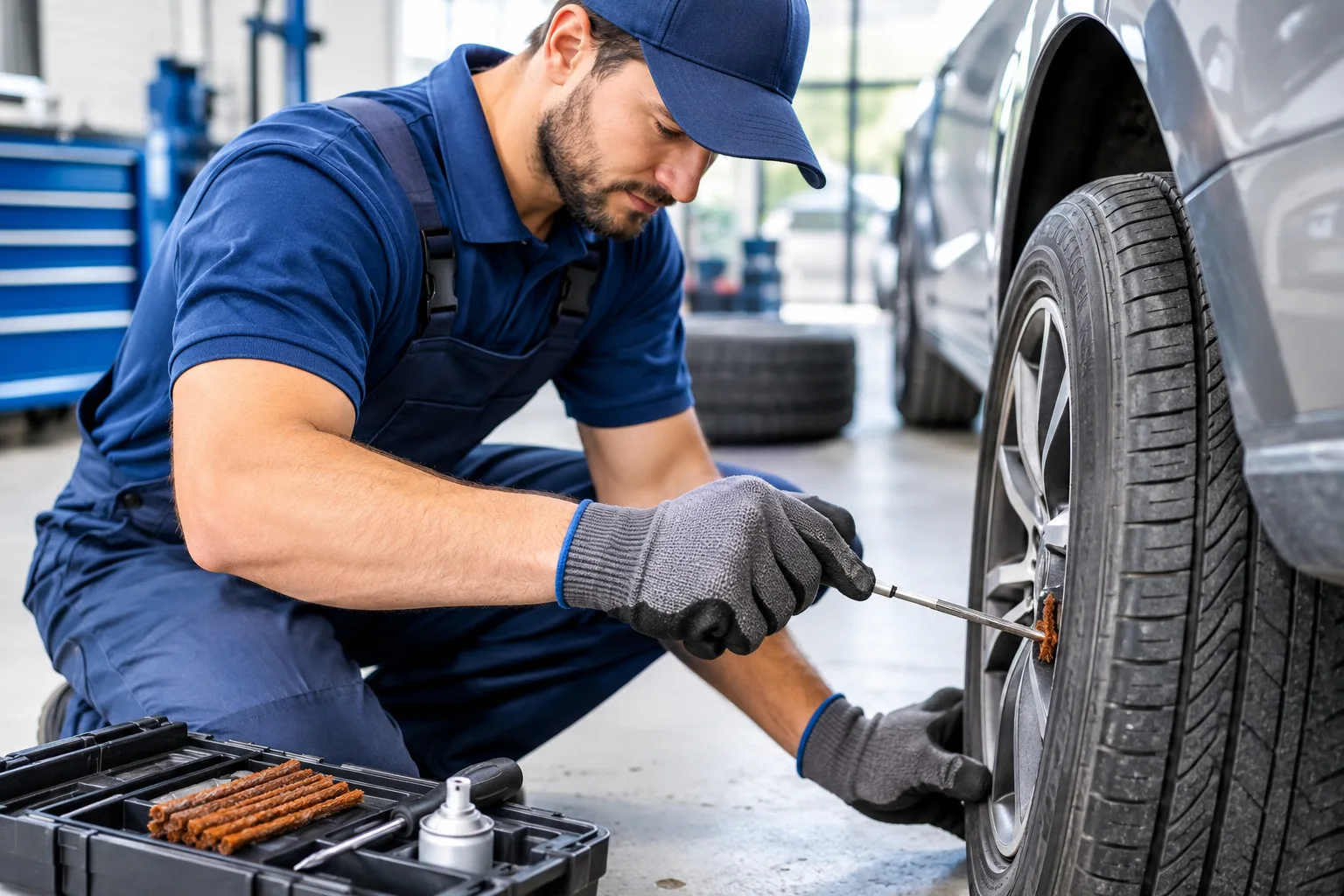
Tires are often among the most overlooked parts of vehicle maintenance. Many drivers continue using their tires even after noticing small cracks, unusual wear, or occasional pressure loss. Since these problems may not immediately affect how the vehicle drives, they are sometimes pushed aside until a more serious issue develops.
However, tire damage should never be treated as a minor inconvenience. Tires affect traction, steering, braking, and overall vehicle stability. Ignoring their condition can increase repair expenses and create unnecessary safety risks.
Understanding the consequences of neglected tire damage can help drivers make better decisions about vehicle maintenance.
What Happens If You Ignore Tire Damage?
Ignoring tire damage can lead to additional structural deterioration, reduced traction, uneven wear, and unexpected tire failure. Getting the problem inspected early through a professional tire repair service can help determine whether the tire is repairable or requires replacement before the damage becomes more serious.
The consequences depend on the type and severity of the damage.
1. Increased risk of tire failure
A damaged tire may continue deteriorating as it experiences heat, friction, and road pressure. Structural problems can increase the possibility of sudden air loss or tire failure.
2. Reduced road traction
Worn tread and damaged rubber can affect the tire's ability to maintain contact with the road. This becomes especially concerning during rain or when driving on slippery surfaces.
3. Uneven tire wear
Driving with incorrect tire pressure or unresolved alignment issues can cause uneven tread wear. This may shorten tire life and result in earlier replacement.
4. Poor steering and handling
Tire damage can affect vehicle stability and steering response. Drivers may notice vibration, pulling, or unusual handling behavior.
5. Higher maintenance expenses
A problem that could have been addressed early may eventually require complete tire replacement or additional wheel-related repairs.
What Types of Tire Damage Should Never Be Ignored?
Not all tire damage looks the same. Some problems are easy to identify, while others require professional inspection.
Here are some common examples.
- Sidewall bulges: These may indicate internal structural damage and require immediate attention.
- Deep cuts: Cuts that expose internal cords can compromise tire strength.
- Embedded nails: Nails and screws may cause gradual air loss.
- Cracked rubber: Cracks may develop due to aging, environmental exposure, or deterioration.
- Excessive tread wear: Insufficient tread can reduce traction, especially on wet roads.
- Repeated air loss: Frequent pressure drops may indicate a puncture, valve problem, or bead leak.
A tire with a bulge, exposed cords, or serious sidewall damage should not be considered safe simply because it still holds air.
How Can Timely Tire Repairs Prevent Bigger Expenses?
Timely repairs can help prevent an eligible tire problem from becoming a more expensive replacement. For example, a small puncture in the repairable tread area may qualify for a permanent repair if the tire's internal structure remains in suitable condition.
Professional inspection is important because the technician needs to evaluate the entire tire, not just the visible puncture.
A proper assessment may include:
- Checking the tire's inflation pressure.
- Inspecting the tread and sidewalls.
- Identifying the source of air loss.
- Removing the tire for internal examination when necessary.
- Determining whether the damage meets accepted repair standards.
- Recommending repair or replacement.
A temporary plug or sealant should not be considered a substitute for a proper permanent repair.
Can Damaged Tires Affect Other Vehicle Components?
Yes. Tire-related problems can contribute to additional vehicle issues, particularly when they cause persistent vibration, uneven loading, or poor handling.
For example, severely unbalanced wheels can create vibration at certain speeds. Misalignment can contribute to uneven tire wear and affect steering behavior. Persistent tire problems may also make existing suspension or steering issues more noticeable.
However, not every mechanical problem originates from the tires. Proper diagnosis is necessary to identify the actual cause.
If your vehicle vibrates, pulls to one side, or feels unstable, have the tires and relevant steering and suspension components inspected.
What Maintenance Habits Help Protect Your Tires?
Preventive maintenance can reduce unnecessary tire damage and help maintain consistent performance.
Follow these simple practices:
- Check tire pressure monthly.
- Inspect tread depth regularly.
- Rotate tires according to manufacturer recommendations.
- Maintain proper wheel alignment.
- Avoid overloading your vehicle.
- Drive carefully over potholes and rough surfaces.
- Replace tires when they reach their safe wear limits.
It is also helpful to inspect tires before long trips, especially when carrying passengers or additional luggage.
Why Should You Act Before Tire Damage Gets Worse?
Waiting until a tire becomes completely flat or visibly damaged can leave you with fewer options. Early attention makes it easier to identify the problem and decide whether repair is possible.
For drivers, the best approach is to treat unusual tire behavior as a reason for inspection rather than something to ignore. Consistent maintenance can reduce unexpected expenses and help keep the vehicle dependable.
FAQ
1. Can a damaged tire cause an accident?
Yes. Serious tire damage can lead to sudden air loss, reduced traction, or loss of vehicle control. Damaged tires should be inspected promptly.
2. Should I replace a tire with a sidewall bulge?
Generally, yes. A sidewall bulge can indicate internal structural damage. Such tires are usually unsuitable for repair and should be replaced.