For most travelers, a vacation officially begins when the car stops outside the resort entrance, luggage is unloaded, and the excitement of check-in fills the air. It feels like the first chapter of the journey. Yet, from a hospitality perspective, that moment is actually much closer to the middle of the story than the beginning.
Long before a family walks through the reception doors, an invisible chain of planning has already begun. Reservations have been reviewed, accommodation preferences considered, special requests communicated, operational teams informed, and departments quietly aligned around one objective—creating a stay that feels effortless from the guest's point of view. None of these preparations are dramatic enough to appear in holiday photographs, yet they often determine whether a vacation feels relaxing or unnecessarily complicated.
This behind-the-scenes preparation has become increasingly important as family travel evolves. Modern vacations frequently include grandparents, parents, teenagers, and young children travelling together, each bringing different expectations, routines, and comfort requirements. Delivering a memorable experience for such diverse groups demands far more than attractive rooms or recreational facilities. It requires thoughtful hospitality planning that begins well before arrival.
For travelers searching for a Family Resort in Jaipur, understanding this invisible side of hospitality provides a far more meaningful way to evaluate a destination. The true quality of a family resort is often reflected not in what guests immediately see, but in the careful preparation that allows every generation to enjoy the journey without constantly thinking about logistics.
Every Reservation Tells a Different Story
Hospitality professionals rarely see a reservation as a simple booking confirmation. Instead, it represents the beginning of a unique guest journey with its own expectations, preferences, and practical requirements. A couple celebrating an anniversary, a corporate delegation, a destination wedding group, and a family travelling with grandparents all require completely different approaches, even if they arrive on the same day.
Family reservations are particularly dynamic because they involve multiple generations experiencing the same property in different ways. Young children usually look forward to recreation and discovery. Teenagers seek independence and engaging experiences. Parents often focus on balancing everyone's needs while hoping for opportunities to relax themselves. Grandparents typically appreciate comfort, accessibility, and peaceful surroundings where they can spend quality time with younger family members.
Understanding these differences allows hospitality teams to prepare more thoughtfully. Information shared during the booking process—such as room preferences, celebration details, dietary considerations, or accessibility requests—becomes valuable operational guidance rather than simple administrative data. Every detail helps reduce uncertainty after arrival, allowing guests to spend less time solving practical issues and more time enjoying their holiday together.
The most memorable vacations often feel naturally organised because much of the planning has already been completed before guests even begin their journey.
Hospitality Is Built Through Preparation, Not Improvisation
Exceptional hospitality is often mistaken for the ability to solve problems quickly. While responsive service is certainly valuable, experienced hospitality professionals understand that preventing unnecessary problems is even more important. Much of their work therefore focuses on preparation rather than improvisation.
Before guests arrive, multiple departments begin aligning their responsibilities. Accommodation teams prepare rooms according to operational schedules, housekeeping coordinates readiness, engineering verifies that essential services function reliably, culinary teams review anticipated dining requirements, and guest service teams remain informed about celebrations or special requests that may require additional attention. None of these tasks are particularly visible, yet together they create the foundation for a seamless guest experience.
Preparation also provides flexibility. Family travel can change unexpectedly, whether through altered arrival times, additional guests, weather conditions, or evolving plans during the stay. Hospitality systems that are organised before check-in are naturally better equipped to respond calmly when these changes occur. Instead of reacting under pressure, teams can adapt while maintaining the consistency guests expect from a professionally managed resort.
This proactive approach explains why some vacations simply feel easier than others. Guests may never notice the preparation itself, but they immediately appreciate the confidence, efficiency, and comfort that thoughtful planning creates.
The Invisible Communication That Shapes Every Family Vacation
One of the biggest misconceptions about hospitality is that each department works independently. Guests often interact with reception during check-in, restaurant staff during meals, housekeeping while their rooms are being serviced, and recreation teams during activities. Because these interactions happen separately, it is easy to assume that every department functions in isolation. In reality, memorable family vacations depend on continuous communication between dozens of people who may never meet the guest directly.
Consider a family arriving to celebrate a child's birthday while travelling with elderly grandparents. A smooth experience requires information flowing naturally across multiple teams. Guest services understand the family's expectations, housekeeping prepares accommodation according to arrival schedules, culinary teams coordinate dining requirements, engineering ensures every guest facility operates without interruption, while recreation teams remain aware of planned activities. None of these efforts are particularly visible, yet together they reduce delays, confusion, and unnecessary stress for the family.
Hospitality professionals often describe this process as operational continuity. Every department contributes to a single guest journey rather than completing isolated tasks. When communication works effectively, families experience consistency instead of fragmentation. They do not need to repeat the same information multiple times, wait unnecessarily between services, or constantly solve practical problems. Instead, the vacation unfolds naturally, allowing everyone to focus on spending time together rather than managing logistics.
Planning for Every Generation Before They Even Arrive
Hospitality planning becomes significantly more complex when multiple generations travel together because every age group experiences the resort differently. Young children are usually excited by discovery and play, teenagers look for independence and engaging experiences, parents appreciate convenience and flexibility, while grandparents often value comfort, accessibility, and peaceful surroundings. Preparing for these different expectations begins long before anyone reaches the reception desk.
Rather than viewing a family as a single group with identical needs, experienced hospitality teams recognise that several individual journeys are taking place simultaneously. Room allocation becomes more meaningful when elderly guests have convenient access to common facilities. Dining arrangements become more comfortable when larger families can spend meals together without unnecessary adjustments. Recreational planning becomes more enjoyable when activities naturally encourage interaction instead of separating family members throughout the day.
This thoughtful preparation is rarely obvious because guests only experience the final result. Families simply notice that movement around the property feels comfortable, meals happen smoothly, and everyone seems able to enjoy the holiday in their own way. What they do not see are the countless operational decisions that quietly support those experiences behind the scenes.
Ultimately, successful family hospitality is not about treating every guest the same. It is about understanding that every generation values different aspects of the same vacation and preparing accordingly.
Hospitality in Practice: The Lohagarh Fort Resort Example
The principles discussed throughout this article become much easier to appreciate when viewed through the lens of a real hospitality operation. One example is Lohagarh Fort Resort, where family hospitality has evolved through more than two decades of continuous operational experience rather than short-term trends. Instead of designing the guest journey around individual attractions or isolated luxury experiences, the resort has gradually developed an environment where families of different generations can comfortably enjoy the same destination in different ways.
Spread across a 56.25-acre campus, the property demonstrates how thoughtful planning extends beyond architecture into the practical realities of guest movement, recreation, relaxation, and shared experiences. Open landscapes allow children the freedom to explore while also providing quieter spaces where parents and grandparents can unwind without feeling disconnected from the rest of the family. More than 100 rooms, suites, villas, and themed accommodations offer flexibility for different travel styles, whether guests arrive as a small family, a large reunion, or a celebration group requiring varied accommodation preferences.
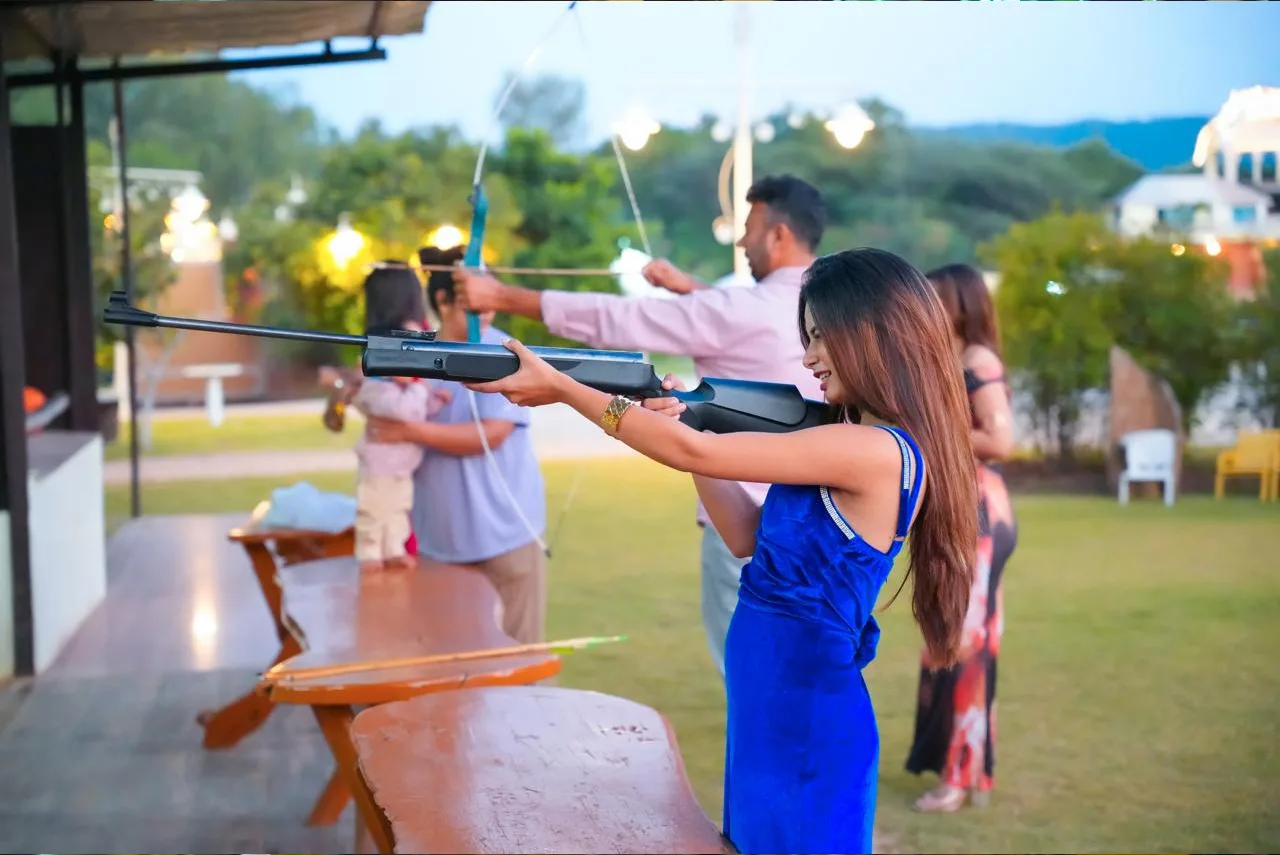
Preparation is equally visible in the diversity of experiences available throughout the property. With 15+ recreational activities, including outdoor sports, cycling, horse riding, camel rides, bird watching, jeep safari experiences, children's play areas, swimming facilities, and seasonal attractions, families are not expected to follow a single itinerary. Instead, every generation can engage with the destination differently while naturally coming together for shared meals, conversations, and memorable moments throughout the day.
The resort's philosophy is also reflected in its long-term consistency. More than 23 years of hospitality, thousands of guest reviews, and repeated recognition through Tripadvisor Travelers' Choice Awards illustrate that memorable family vacations are rarely created by one spectacular feature alone. They are built through disciplined operations, continuous learning, attention to guest feedback, and a commitment to refining the experience year after year.
For travellers evaluating the Best Family Resort in Jaipur, examples like Lohagarh Fort Resort demonstrate that exceptional family hospitality is not defined solely by luxurious facilities. It is equally shaped by invisible preparation, operational coordination, thoughtful planning, and a genuine understanding of how different generations experience the same holiday.
Great Vacations Are Built Before the First Welcome
Families often remember the smiles, photographs, celebrations, peaceful evenings, and conversations that made a vacation special. They rarely remember reservation planning, operational meetings, room preparation, communication between departments, or the countless behind-the-scenes decisions that quietly removed obstacles from their journey. Yet those invisible efforts frequently determine whether a holiday feels relaxing or unnecessarily complicated.
Hospitality at its best is measured not by how much attention it attracts but by how naturally it supports every stage of the guest experience. When preparation replaces improvisation, communication replaces confusion, and thoughtful planning replaces uncertainty, families gain something far more valuable than efficient service—they gain uninterrupted time together.
Perhaps that is why the finest family vacations seem to begin long before anyone checks in. They begin with people who believe that memorable hospitality is created through careful preparation, allowing guests to focus on what truly matters: creating moments they will continue sharing long after the journey has ended.
Frequently Asked Questions
Q.1 Why does planning before check-in matter so much for a family vacation?
ANS. A family vacation involves far more variables than most people realise. Different age groups have different expectations, mobility requirements, dining preferences, and daily routines. Preparing these details before arrival allows hospitality teams to coordinate accommodation, guest services, housekeeping, dining, and recreational planning in advance. As a result, families spend less time solving practical issues and more time enjoying meaningful moments together throughout their stay.
Q.2 What should families look for when choosing a family-friendly resort?
ANS. Instead of comparing only room categories or recreational facilities, families should consider how thoughtfully the entire guest experience has been designed. A well-planned resort offers comfortable accommodation, safe open spaces, activities suitable for multiple generations, flexible dining options, accessible pathways, attentive guest services, and operational consistency. These elements often contribute far more to the quality of a vacation than individual luxury amenities alone.
Q.3 What makes Lohagarh Fort Resort suitable for multi-generational family vacations?
ANS. Lohagarh Fort Resort has developed its hospitality philosophy around the idea that every generation experiences a vacation differently. Spread across a 56.25-acre campus, the resort combines more than 100 accommodation options, 15+ recreational experiences, extensive natural landscapes, and over 23 years of hospitality experience to create an environment where children, parents, and grandparents can all enjoy the destination in their own way while still sharing memorable experiences together. This balanced approach is one of the reasons many travellers recognise it as a Luxury Family Resort in Jaipur.
Q.4 Why are behind-the-scenes hospitality operations important even if guests never see them?
ANS. The success of any family vacation depends on much more than visible facilities. Reservation planning, room preparation, housekeeping schedules, engineering support, culinary coordination, maintenance, security, and guest services all work together continuously throughout a guest's stay. When these operations function efficiently, families experience a vacation that feels calm, organised, and effortless, allowing them to focus entirely on spending quality time together rather than managing logistics.
Q.5 How do great resorts create memories that families remember for years?
ANS. Memorable vacations are rarely defined by luxury alone. Families usually remember shared breakfasts, children's laughter, evening conversations, outdoor adventures, celebrations, and peaceful moments spent together. Hospitality teams contribute by creating an environment where these experiences happen naturally. Thoughtful planning, comfortable surroundings, operational consistency, and genuine guest care allow families to create memories that continue long after the journey has ended.