Ask most homeowners or first-time developers what sustainable building means, and the answer usually starts and ends with solar panels. Maybe a rainwater tank if they're really paying attention. It's an understandable assumption solar panels are visible, marketable, and easy to point to. But they're also just one small piece of a much bigger picture that most people never see.
Real sustainable building happens long before any panels go on the roof. It happens in decisions about where the building sits, which direction its windows face, what materials go into its walls, and how air moves through its choices made months before construction even begins, often invisible to anyone walking through the finished space.
The Sustainability Decisions Nobody Sees
Long before a building becomes energy efficient in any visible way, a series of quieter, more foundational decisions determine how well it will actually perform.
Where a Building Sits Matters More Than People Realize
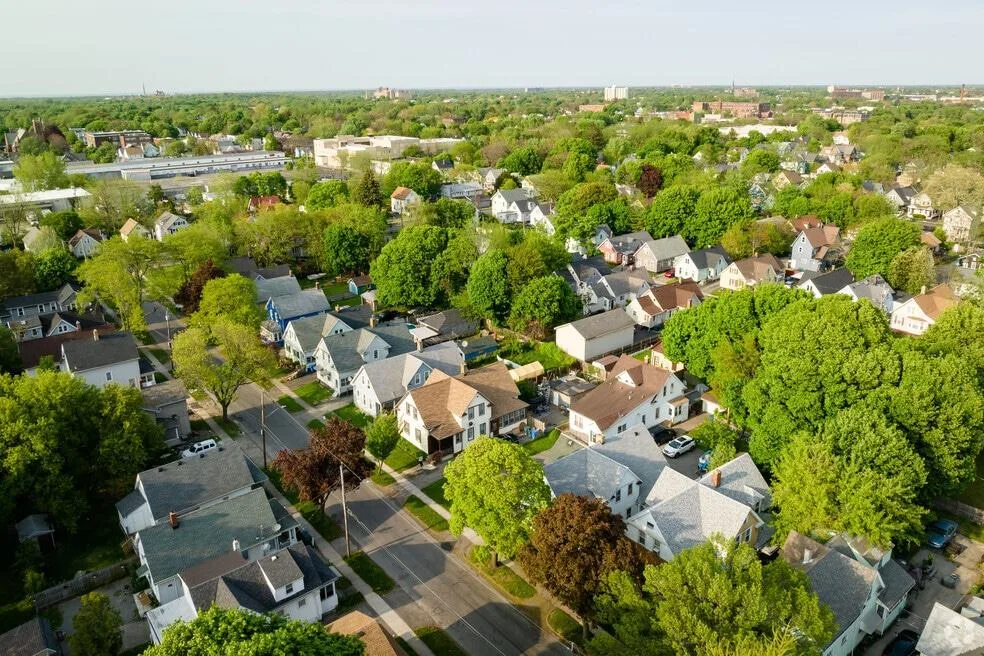
The orientation of a building on its site, the way the windows face, how it's positioned relative to the sun's path throughout the year has a massive impact on heating and cooling needs before a single mechanical system is installed. A building oriented poorly can end up fighting against the sun year-round, driving up energy costs regardless of how efficient its appliances are.
Passive Design Does the Heavy Lifting
Passive strategies, natural ventilation, thermal mass, thoughtful window placement reduce the amount of active heating, cooling, and lighting a building needs in the first place. These strategies don't show up on a spec sheet the way solar panels do, but they often account for a larger share of a building's actual energy performance.
Materials Carry a Hidden Environmental Cost
Every material used in construction carries what's sometimes called "embodied carbon" , the total emissions generated by extracting, manufacturing, and transporting it before it's even installed. A building can be operationally efficient once finished and still carry a heavy environmental cost baked into its walls, simply based on what those walls are made of.
Common Myths About Sustainable Construction
Myth: Sustainable Buildings Cost Dramatically More
While some sustainable strategies do carry upfront costs, many of the most impactful ones building orientation, passive ventilation, thoughtful window placement cost little to nothing extra when planned early. The expensive mistakes usually come from retrofitting sustainability onto a design after the fact, rather than building it in from the start.
Myth: It's All About the Technology
Solar panels, smart thermostats, and high-efficiency HVAC systems get most of the attention, but a well-designed building that uses passive strategies effectively can outperform a poorly designed one loaded with expensive technology. Technology amplifies good design; it doesn't replace it.
Myth: Sustainable Design Only Matters for New Construction
Renovation and retrofit projects offer some of the biggest opportunities for improving a building's environmental performance, particularly around insulation, air sealing, and window upgrades. Older buildings are often the least efficient, which means thoughtful sustainable upgrades can have an outsized impact.
Who Actually Makes These Decisions
This is where a lot of people get surprised. The professional responsible for most of these foundational sustainability decisions isn't a contractor or an equipment installer, it's the architect, working through the earliest stages of design, well before construction ever begins.
Site analysis, building orientation, material selection, and passive design strategy are all decisions made at the architectural planning stage, long before anyone is picking out solar panel brands or smart home devices. For anyone who wants a clearer picture of what this actually involves in practice, this detailed breakdown of an architect's role in sustainable building design walks through the specific responsibilities architects handle across planning, material selection, and system coordination to reduce a building's environmental impact.
Why This Matters for Anyone Planning a Project
Understanding that sustainability decisions happen this early changes how homeowners and developers should approach a project. Bringing in sustainability considerations after the design is already finalized almost always means settling for smaller, more expensive improvements than what would have been possible from the start.
Practical Steps for Anyone Planning a Sustainable Build
- Bring sustainability into the conversation at the very first design meeting, not after floor plans are finalized.
- Ask about building orientation and passive strategies before discussing specific technology or equipment.
- Request embodied carbon information on major material choices, not just their upfront cost.
- Think beyond the build itself: water conservation systems, rainwater harvesting, and long-term maintenance all factor into a building's true environmental footprint.
- Treat renewable energy systems as the final layer, not the whole strategy they perform best on top of a building that's already been designed efficiently.
Final Thoughts
Sustainable construction isn't a checklist of add-ons tacked onto an otherwise conventional building. It's a set of decisions woven into the earliest stages of design decisions that determine how much energy a building needs before anyone ever installs a single solar panel. Understanding that shift in thinking, from sustainability as decoration to sustainability as design, is often the difference between a building that merely looks green and one that actually performs that way for decades to come.