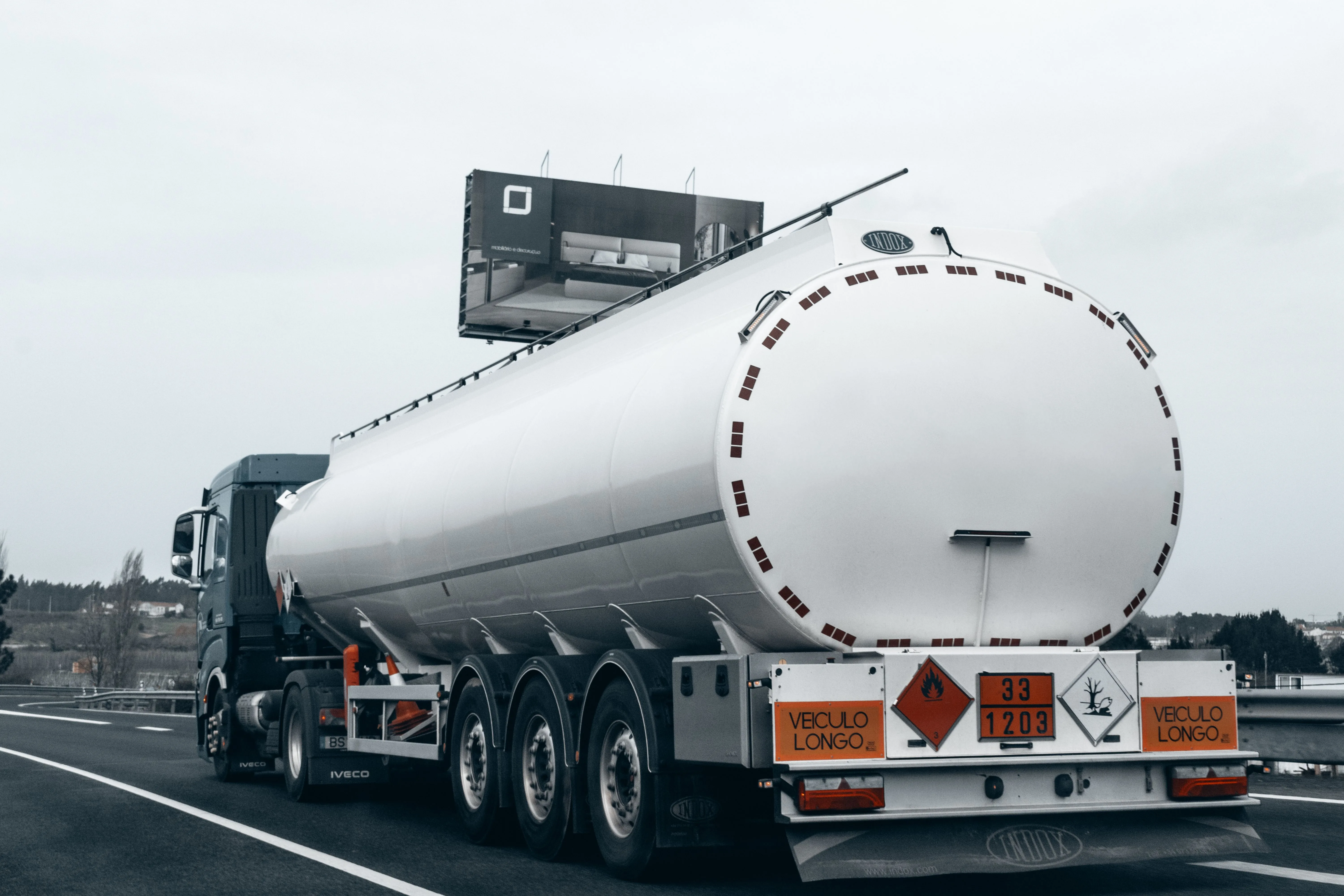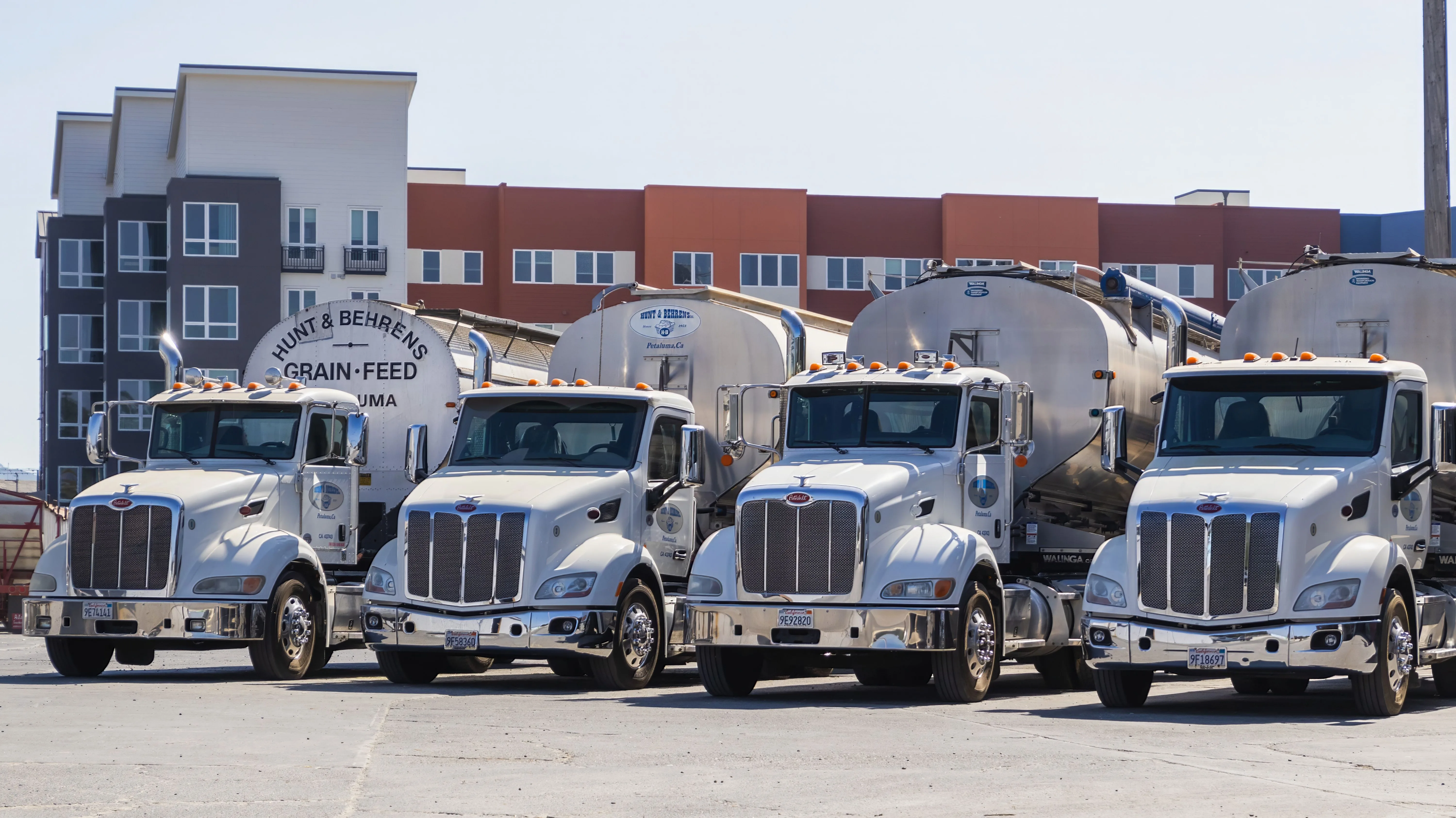
Most fleet contingency plans cover the obvious failures. A driver calls out, so the plan includes backups. A truck breaks down, so there is a spare or a rental agreement. A dispatcher’s system goes offline, so someone knows how to run routes from a spreadsheet. Fuel is usually missing from that document because, on an ordinary day, it never fails.
That is exactly why it deserves its own page. When fuel does fail, it fails across the whole fleet at once, and there is no spare to roll out.
Why fuel gets left out
Fuel feels like a solved problem. Your fleet fuel delivery shows up on schedule, or your drivers use cards at stations, and tanks get filled without anyone thinking much about it. The plan exists in habit rather than on paper.
Habits break under pressure. A supplier issue delays a regular delivery. A storm closes stations across a region. A big contract lands and consumption jumps 30 percent overnight. A hard freeze gels fuel in parked trucks. None of these are rare. They are just irregular, which is why they slip past planning that is built around normal weeks.
Start by ranking your vehicles
A contingency plan that treats every vehicle the same will fall apart the first time fuel is short, because you will not be able to keep everything running. Decide in advance which vehicles get fuel first.
A simple three-tier approach works for most fleets. The first tier is vehicles whose downtime causes immediate, serious harm: emergency response units, refrigerated trucks carrying perishable loads, vehicles under contracts with penalty clauses, and anything a public service depends on. The second tier is revenue-producing vehicles that can tolerate a short delay without real damage. The third tier is support vehicles, pool cars, and anything whose work can wait a day or two.
Writing this down settles arguments before they happen. When fuel is limited, nobody has to debate on the phone which route matters more. The answer is already in the plan.
Decide how much reserve you actually need
Reserve fuel is the buffer between a disruption and a stopped fleet. The question is how big that buffer should be.
Work it out from your own numbers. Take the daily consumption of your first-tier vehicles, then decide how many days you want to keep them running with no outside supply. Two to three days covers most delivery delays. Longer regional events, like a major storm, can justify more for the vehicles that cannot stop.
Where that reserve sits matters too. Fleets with on-site bulk storage can hold it themselves, provided they keep the tank near full during high-risk periods rather than letting it run low between deliveries. Fleets without storage can rent a temporary tank with monitoring ahead of storm season, or arrange to top off vehicles completely before a forecast event. Stored diesel also needs attention. Fuel that sits for long stretches can pick up water and contamination, so reserve tanks should rotate regularly rather than being forgotten until the day they are needed.
Line up a backup supply arrangement
Relying on one fuel source creates a single point of failure. Even a reliable supplier can be overwhelmed by a regional event, and a fleet that depends entirely on public stations has no control at all when those stations are queued out or offline.
A sound plan names the primary supply method, the backup, and the trigger for switching between them. If your primary is station fueling on cards, your backup might be a fleet fueling service that can deliver on site. If your primary is scheduled on-site delivery, the backup might be a second delivery arrangement or emergency service from the same provider.
When you evaluate who that backup should be, ask how the supplier holds up when the grid is down and terminals are congested. Rastall Oil keeps reserves at its own bulk plant and runs its own generator to load trucks during outages, which is the kind of detail that decides whether a backup works when it is actually needed.
Write down the emergency refueling procedure
The worst time to figure out how to order emergency fuel is during the emergency. Put the steps in the plan.
That means the supplier’s emergency contact number, your account details, who in your company can place an urgent order, where fuel should go first, and how vehicles will be staged for fast fueling. It also means knowing which fuel types each tier needs, since a mixed fleet may need on-road diesel, dyed off-road diesel, gasoline, and DEF.
Keep the procedure short enough that a supervisor on a night shift can follow it without calling anyone for help.
Plan around the seasons
Fuel risk is not spread evenly across the year. Winter brings gelling risk and storm disruptions. Late summer can bring hurricane season impacts and heat-driven demand. Your busiest operating months are when a supply hiccup costs the most.
Build a seasonal checklist into the plan: switch to winter-blend diesel before the first hard freeze, fill reserve tanks ahead of forecast storms, and confirm delivery schedules before peak periods instead of during them.
Test the plan before you need it
An untested contingency plan is a guess. Run a tabletop exercise once or twice a year. Pick a scenario, such as a three-day supply interruption in January, and walk through it. Who gets called? Which vehicles keep running? Where does the reserve come from, and does it last as long as the plan says?
Gaps show up quickly in that kind of exercise. Better to find them in a conference room than in the middle of a storm.
Treat fuel as a continuity risk
Fleets plan carefully for drivers, vehicles, and systems. Fuel belongs on that same list, with a ranked vehicle tier, a sized reserve, a named backup supplier, a written procedure, and a seasonal calendar.
Rastall Oil provides fleet fuel delivery across New Jersey, Pennsylvania, Maryland, and Virginia, including on-site, mobile, and bulk options with tank monitoring and reporting. Talk to our team about building fuel availability into your fleet’s contingency plan before the next disruption tests it.