Opening the Classroom Doors to a New Era
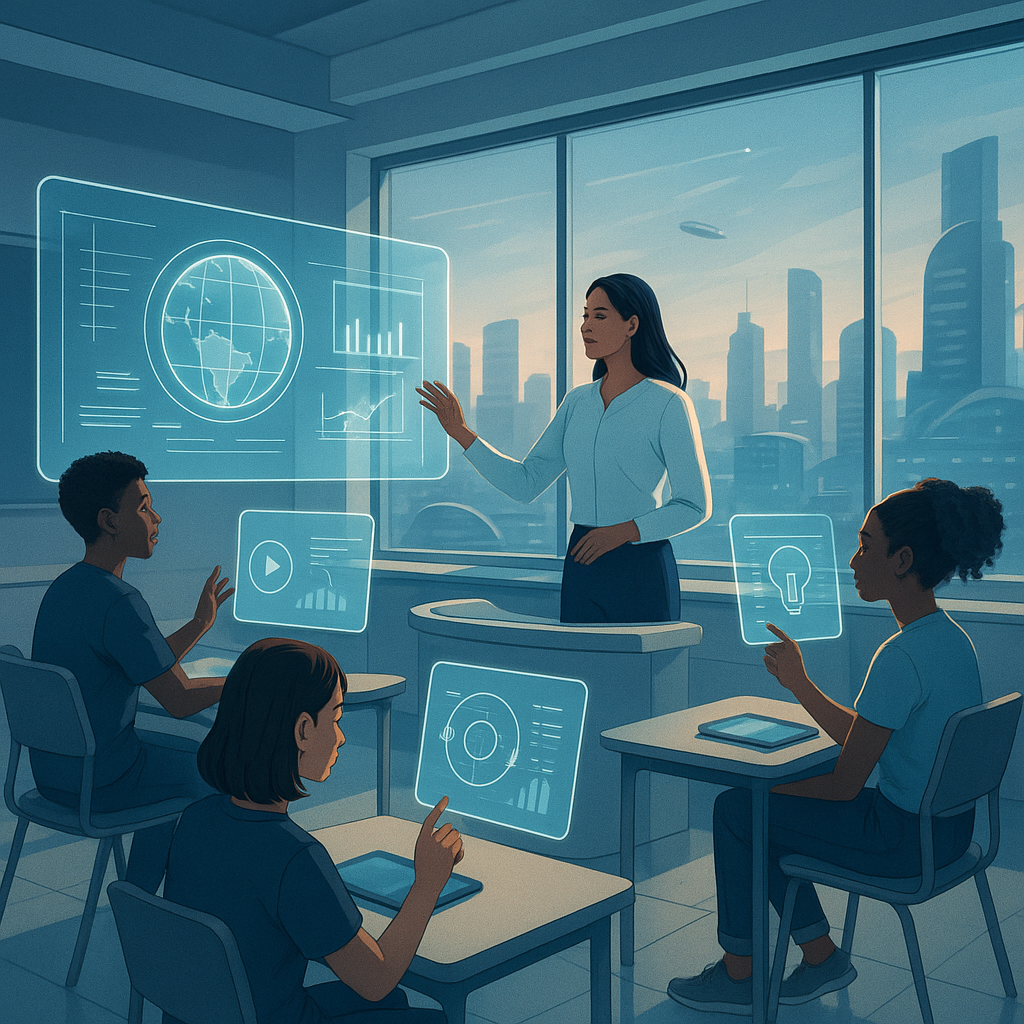
Picture a classroom in 2026, where students no longer sit passively in rows but engage dynamically with immersive virtual reality lessons, artificial intelligence tutors, and personalized learning pathways tailored to their unique needs. This scene, once a futuristic dream, is becoming increasingly commonplace across educational institutions worldwide. The shift is driven by a convergence of technological advances, societal demands, and economic imperatives, all reshaping how knowledge is imparted and acquired.
Statistics from UNESCO highlight that over 60% of jobs expected to dominate the next decade require skills not traditionally emphasized in legacy education systems, such as critical thinking, digital literacy, and adaptability. Meanwhile, student engagement metrics indicate a growing disparity between learner expectations and outdated curricula, fueling dropout rates in many regions.
"Education is no longer just about transferring information but about cultivating lifelong learners equipped to navigate uncertainty," explains Dr. Leila Ahmed, an education futurist. This transformation is not only necessary but urgent, given the accelerating pace of global change and the widening inequality gaps that education can either bridge or exacerbate.
Tracing the Journey: From Industrial Age Schools to Digital Ecosystems
The modern education system largely originates from industrial-era models designed to prepare workers for factory-based economies, emphasizing standardized curricula, rote memorization, and uniform assessment. Over the 20th century, these methods served nations well, expanding literacy and basic competencies. However, the rapid digitization and globalization of the 21st century exposed the limits of this approach.
Early 2000s initiatives aimed at integrating technology—such as computer labs and online resources—began shifting education paradigms. Yet, many institutions only superficially adopted these tools without rethinking pedagogical frameworks. The pandemic of 2020 accelerated online learning adoption but also spotlighted disparities in access and the need for more inclusive, flexible models.
By 2025, several pioneering education systems had embraced personalized learning platforms powered by AI, offering tailored content and assessments. Governments worldwide began investing in digital infrastructure and teacher training to support these changes. Still, systemic inertia and resource constraints pose ongoing challenges.
"Understanding our educational past helps identify the structural reforms needed for future readiness," notes Professor Carlos Mendes, author of Education Reimagined. This context underscores why transformation is both a technical and cultural endeavor.
Analyzing the Current Educational Landscape: Data, Trends, and Disparities
The 2026 data landscape reveals stark contrasts across regions and demographics. According to the World Education Report 2026, countries that have integrated AI-driven adaptive learning report an average 20% increase in student achievement metrics, particularly in STEM subjects. Conversely, regions lacking broadband access or digital literacy face stagnation or decline.
Key trends shaping education today include:
- Personalization: Adaptive algorithms customize lessons to individual learning speeds and styles, improving comprehension and retention.
- Hybrid Models: Blending in-person and online instruction offers flexibility and expands reach.
- Competency-Based Assessment: Moving away from standardized tests toward skill demonstration.
- Teacher Empowerment: Continuous professional development and AI-assisted teaching tools enhance educator effectiveness.
- Global Collaboration: Cross-border virtual classrooms and shared resources foster diverse perspectives.
Despite these advances, challenges remain. Equity gaps persist, with marginalized communities disproportionately affected by technology shortages and underfunded schools. Data privacy and ethical use of AI in education also demand vigilant oversight.
"Education's future hinges on balancing cutting-edge innovation with inclusivity and ethical responsibility," stresses Dr. Mei Ling, chair of the Global Education Ethics Council.
2026 Developments: Innovations and Policy Shifts Reshaping Education
This year has witnessed several notable developments. Governments in Europe and Asia have enacted policies mandating AI literacy as a core subject starting in primary school. The United States expanded funding for EdTech startups focused on underserved communities, resulting in tailored solutions for rural and low-income students.
Significant technological breakthroughs include:
- AI-Powered Mentorship: Digital mentors provide real-time feedback and emotional support, complementing human teachers.
- Blockchain Credentials: Secure, verifiable digital certificates facilitate lifelong learning recognition across borders.
- Mixed Reality Labs: Students experiment with virtual science and engineering projects, enhancing experiential learning.
Meanwhile, international organizations like UNESCO and OECD have launched frameworks emphasizing the integration of sustainability, ethics, and social-emotional skills into curricula, anticipating the holistic demands of future societies.
These innovations align with insights from TheOmniBuzz’s recent coverage on how EdTech is reimagining education’s future and why education’s future hinges on personalized and lifelong learning, illustrating a trend toward learner-centered ecosystems.
"The 2026 shift is not incremental; it’s foundational, redefining roles of teachers, students, and institutions," observes Maria Gonzalez, CEO of LearnNext, a leading EdTech innovator.
Voices from the Field: Educator and Industry Perspectives
Interviews with educators across continents reveal a cautiously optimistic outlook. Many express excitement about the potential of AI tutors to reduce administrative burdens and allow more focus on mentorship and creativity. However, they also highlight the need for robust training to effectively harness these tools.
Industry experts emphasize the importance of partnerships between schools, governments, and technology firms to ensure equitable access and ethical deployment. For example, EdTech companies are increasingly involving teachers in product design to align solutions with classroom realities.
Moreover, education economists point to the critical role of funding models. Public-private collaborations have emerged as successful frameworks to scale innovations sustainably without exacerbating inequalities.
These voices collectively underscore a shared recognition: education transformation is a complex, multifaceted endeavor requiring systemic collaboration.
Looking Ahead: Trends to Watch and Strategies for Stakeholders
Several key areas warrant close attention as education continues evolving:
- AI Ethics and Regulation: Developing transparent, fair algorithms that protect student data and prevent bias.
- Global Digital Infrastructure: Expanding affordable broadband and devices to close the digital divide.
- Lifelong Learning Models: Building systems for continuous skill acquisition beyond formal schooling.
- Teacher Roles: Redefining educators as facilitators and coaches in technology-rich environments.
- Curriculum Innovation: Embedding social-emotional learning, sustainability, and intercultural competence.
For policymakers and practitioners, embracing adaptive policies that incorporate feedback loops and evidence-based reforms will be crucial. As TheOmniBuzz emphasized in its analysis of education’s transformations and challenges, agility and inclusivity must guide future strategies.
Ultimately, education systems that prioritize flexibility, equity, and innovation will be best positioned to prepare learners for an unpredictable future.
Case Studies: Transformative Models in Action
Several real-world examples illustrate the principles discussed:
- Finland’s Modular Learning Hubs: This initiative replaces fixed curricula with modular digital content, allowing students to co-design their learning journeys. Early results show increased engagement and cross-disciplinary skills.
- Kenya’s Solar-Powered Digital Classrooms: Addressing infrastructure gaps, these mobile units provide internet access and AI-driven instruction to remote areas, significantly improving literacy rates.
- Singapore’s AI Teacher Assistants: Integrated in primary schools, these assistants help with personalized feedback and track emotional well-being, supporting holistic development.
These cases demonstrate the feasibility and impact of reimagined education models when supported by vision, technology, and inclusive policies.
In conclusion, the education sector stands at a pivotal crossroads. The decisions and investments made today will shape societal resilience and prosperity for decades. Embracing transformation with a commitment to equity and ethics is not just an option—it is an imperative.