Timber selection plays an important role in determining a door's durability, appearance and long-term performance. Different timber materials have distinct characteristics that influence their ability to handle everyday use, environmental changes and regular maintenance. When exploring timber doors Chatswood, consider the material, construction, finish and intended application. Understanding these factors can help homeowners choose a door that suits their requirements while maintaining its appearance over time.
1. Timber Density and Structural Strength
Timber density can influence a door's strength, weight and resistance to everyday wear. Different timber varieties have different physical characteristics, making material selection an important consideration.
Hardwood and softwood are two common timber categories. Hardwood options are generally denser, while softwood varieties can offer different weight and handling characteristics.
The most suitable selection depends on the door's intended use, construction and hardware requirements. Consider how frequently the door will be operated and whether its location requires additional durability.
2. Resistance to Moisture and Environmental Changes
Changes in moisture and temperature can affect timber over time. Depending on the material and surrounding conditions, timber may expand, contract or develop surface changes.
The door's finish and protective treatment can help manage exposure to environmental conditions. However, selecting suitable timber and ensuring appropriate installation are equally important.
Pay attention to exposed edges and surfaces, as these areas may require additional protection. Follow the manufacturer's recommendations regarding suitable applications and maintenance.
3. Construction Quality and Door Thickness
Timber selection is only one part of door durability. The overall construction, internal composition and thickness also influence how the finished product performs.
A properly constructed door should suit its intended application and work with compatible hinges, handles and locking hardware. Its dimensions should also match the available opening to support correct installation.
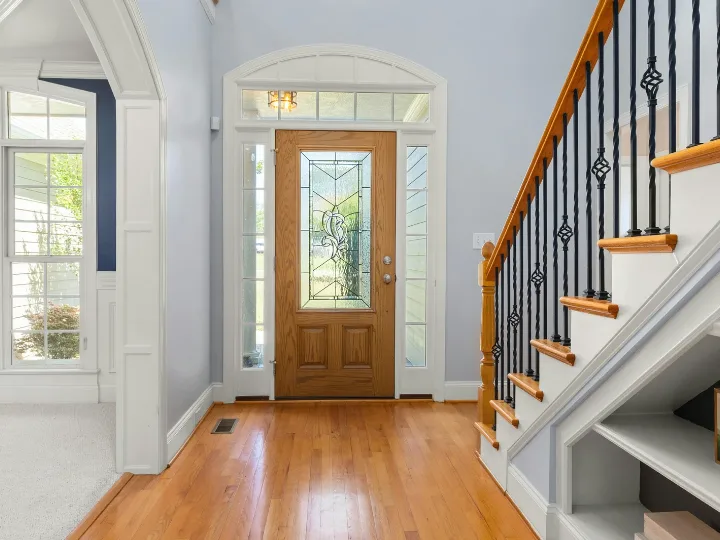
The Chatswood Timber Finish Door from Nanak Doors is listed in several dimensions, including 2040 x 820 x 35 mm and 2340 x 820 x 35 mm, alongside other width options.
When comparing timber doors Chatswood, review the available dimensions and product specifications to ensure the selected option suits the intended doorway.
4. Surface Finishes and Protective Treatments
The finish applied to timber can influence its appearance and help protect the surface from everyday wear. Different treatments create different visual effects while supporting the maintenance of the door.
Natural-looking finishes can highlight grain patterns, while stains introduce variations in colour and depth. Painted finishes provide another option for coordinating the door with an interior colour scheme.
The suitability of a finish depends on the timber and its intended application. Regular inspection can help identify scratches, peeling or surface deterioration that may require attention.
5. Maintenance and Long-Term Care
Regular maintenance helps preserve the condition of timber doors. Dust, fingerprints, moisture and everyday contact can gradually affect their surfaces.
A practical care routine includes:
- Regular cleaning: Use products suitable for the timber and its finish.
- Surface inspection: Check for scratches, cracks or visible deterioration.
- Edge protection: Pay attention to exposed edges and corners.
- Hardware checks: Inspect hinges, handles and locks for loose fittings.
- Finish maintenance: Follow the manufacturer's recommendations for protective treatments.
Understanding the maintenance requirements before purchasing can help homeowners select a door that suits their preferred level of ongoing care.
FAQs
1. Does timber selection affect door durability?
Yes. Different timber varieties have different characteristics relating to density, weight and structural strength. The most suitable option depends on construction and intended use.
2. Is hardwood always better than softwood for doors?
Not necessarily. Both have different characteristics, and suitability depends on the door's application, construction, finish and performance requirements.
3. Can moisture affect timber door durability?
Yes. Changes in moisture can cause timber to expand or contract. Suitable materials, protective finishes and correct installation can help manage these effects.
4. How can I maintain the durability of a timber door?
Clean the surface using suitable products, inspect the finish regularly, check hardware and follow the manufacturer's maintenance recommendations.