
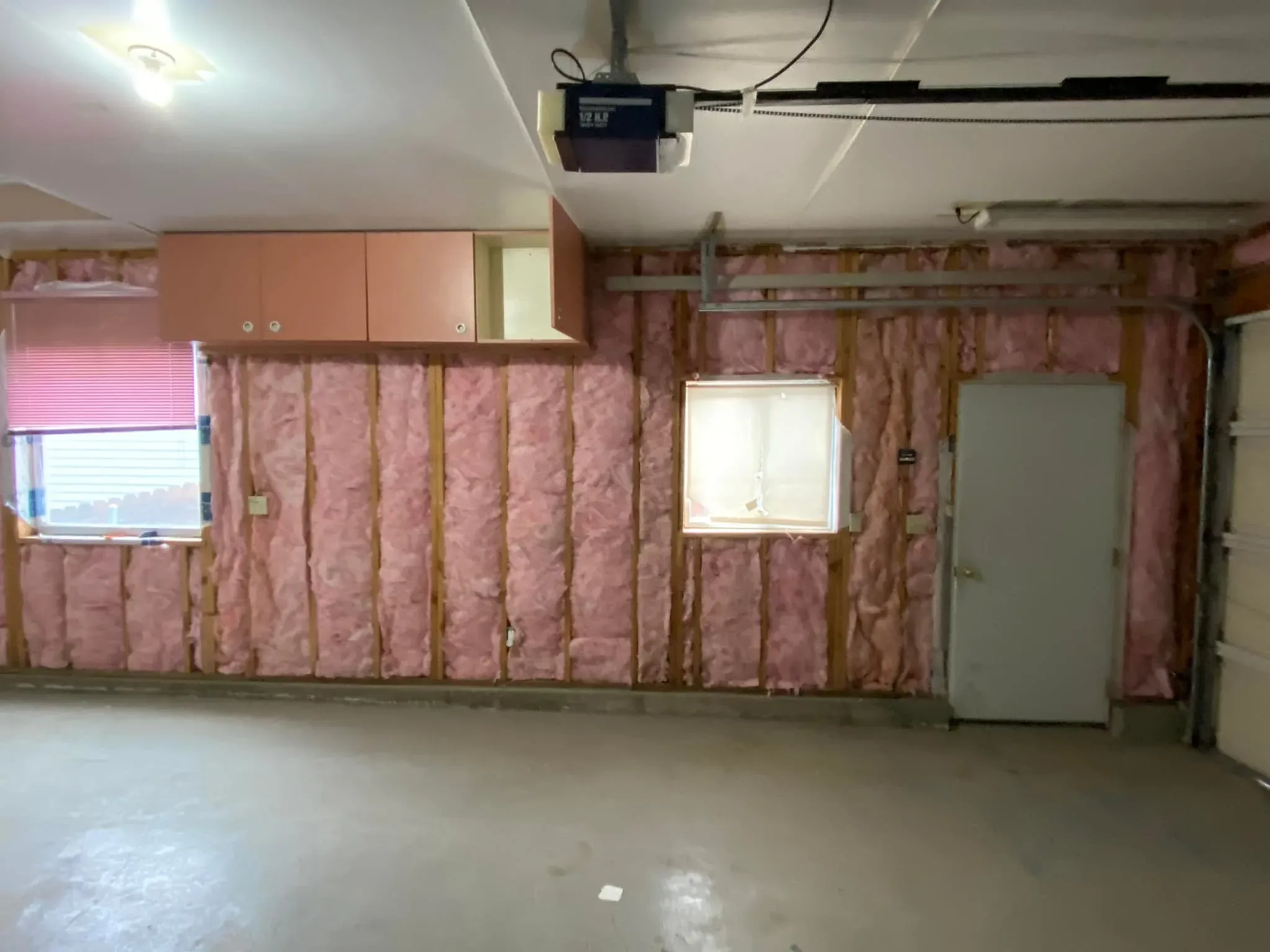
Victor, ID builders favor a closed-cell spray foam ceiling because it provides a superior vapor barrier and higher R-value per inch, which are essential for high-altitude climates. This choice prevents moisture from freezing within the roof structure during long Teton Valley winters.
High-altitude construction requires materials that can handle extreme temperature swings and heavy snow loads. This article explains the technical advantages of closed-cell insulation and why it remains the standard for durability in mountain homes.
Industry experts who work in the Rocky Mountains understand that building science changes at 6,000 feet. Local professionals prioritize structural integrity and thermal efficiency to ensure homes remain safe and dry throughout the year.

Technical Differences Between Foam Types in Cold Climates
The primary reason for selecting closed-cell over open-cell options involves the density and composition of the material. While both are effective insulators, they perform differently under the environmental pressures found in Victor. Spray foam in Victor, ID, especially closed-cell foam, is a popular choice because its dense, rigid structure contains trapped gas bubbles that significantly slow heat transfer and provide excellent moisture resistance.
Open-cell foam is much softer and has a sponge-like consistency. While it is effective for soundproofing, it allows moisture to pass through more easily. In a place like Victor, moisture moving through an insulation layer without a proper barrier can become trapped against the cold roof deck, potentially leading to rot and other moisture-related issues.
Closed-cell foam offers a significantly higher R-value per inch of thickness, while open-cell foam provides a lower R-value and may require more space to achieve the same level of thermal protection. Closed-cell foam also acts as a built-in vapor retarder at approximately two inches of thickness, whereas open-cell foam typically requires an additional vapor barrier to help prevent condensation.
Bonus Tip: When building at high altitudes, make sure installers check the substrate temperature before application. If the wood surface is too cold, the foam may not bond properly, which can result in air gaps and reduced performance.
Why Is Vapor Management Essential at High Altitudes?
In high-altitude environments, the difference between indoor and outdoor temperatures can be massive. During a Victor winter, your indoor air is warm and carries moisture, while the outdoor air remains frigid. This temperature gradient creates a strong vapor drive, pushing moisture toward the exterior.
If you use spray foam insulation for ceiling projects that utilize open-cell technology, the vapor can travel through the insulation material. Once it hits the cold roof sheathing, it turns into liquid water or frost. Over time, this causes mold and structural decay that is difficult and expensive to repair.
Using a closed-cell spray foam ceiling stops this process entirely. The foam is so dense that water vapor cannot move through it. This protects the wood rafters and plywood from moisture damage, effectively extending the life of the entire roof.

Structural Benefits for Heavy Snow Loads
Victor and the surrounding Teton County areas see some of the highest snow loads in the country. A spray foam ceiling does more than just keep the heat in; it actually strengthens the building.
Closed-cell foam is incredibly rigid once it cures. Studies in the construction industry show that adding closed-cell foam to a roof assembly can increase the racking strength of the walls and roof by up to 300%.
- It glues the entire roof structure together into a single, cohesive unit.
- It reduces the chance of shingles blowing off during high-wind storms.
- It helps the roof support the weight of several feet of heavy, wet snow.
- It minimizes the vibration and "creaking" common in mountain homes.
FeatureClosed-Cell FoamOpen-Cell FoamR-Value per Inch6.5 - 7.03.5 - 3.8Vapor BarrierYes (Built-in)No (Requires extra layer)Structural StrengthHigh (Adds rigidity)Low (Flexible)Water ResistanceWaterproofAbsorbs waterIdeal Use CaseHigh altitude / Exterior wallsInterior walls / Sound dampening
Does High Altitude Affect the Application Process?
The air is thinner at 6,000 feet, which can impact how chemicals react during the spraying process. Experienced teams must calibrate their equipment specifically for the elevation in Victor to ensure the foam expands and cures as intended.
When applying ceiling spray foam insulation, the mix of chemicals must be precise. If the ratio is off due to altitude-related pressure changes, the foam might become brittle or fail to provide the promised R-value.
Bonus Tip: Ask your contractor if they use a "winter blend" of foam. Manufacturers produce specific formulas designed to react better in colder, thinner air, ensuring a more consistent application.
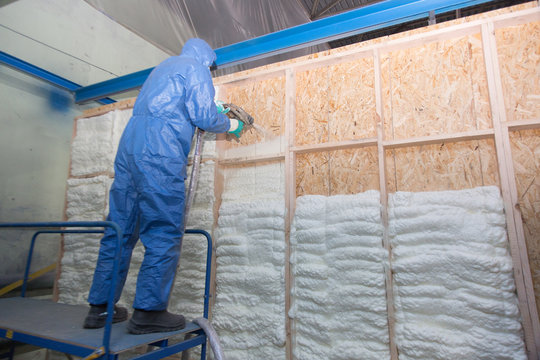
Things to Consider Before Starting a Spray Foam Project
Before you commit to an exposed ceiling spray insulation design or a hidden attic application, you should evaluate the current state of your roof. Not every structure is immediately ready for foam application.
- Check for existing roof leaks, as foam should never be used to "plug" an active leak.
- Evaluate the ventilation strategy, as spray foam creates an unvented attic space.
- Verify that your recessed lighting is "IC-rated" (Insulation Contact) to prevent fire hazards.
- Ensure there is enough space for the required thickness to meet local energy codes.
Comparing Long-Term Costs and Energy Savings
While the initial cost of a spray foam insulation ceiling is higher than fiberglass or cellulose, the long-term savings are more pronounced in cold climates. High-altitude homes often see a 15% to 20% reduction in heating costs when switching to closed-cell foam.
Because the material seals air leaks so effectively, your heating system doesn't have to work as hard to maintain a steady temperature. This reduces wear and tear on your HVAC equipment and provides a more comfortable living environment without cold drafts.
Improving Indoor Air Quality in Mountain Regions
Using spray foam ceiling insulation also helps keep out mountain allergens and dust. Because the foam creates a tight seal, it prevents outdoor pollutants from seeping through small gaps in the construction.
This is particularly helpful in the spring when pollen levels rise or in late summer if wildfire smoke becomes an issue in the region. A well-sealed home allows your internal filtration system to work more effectively, keeping the air inside clean and breathable.
Finding Professional Guidance for Your High Country Home
If you are planning a build or a renovation in Victor, ID, working with a team that understands local climate challenges is vital. High Country Solutions offers specialized expertise in high-altitude insulation applications to help you protect your investment. You can contact them at (307) 248-9063 or email [email protected] to discuss your project.
Common Questions About High Altitude Spray Foam
Is closed-cell foam more expensive than other options?
Yes, the material costs and specialized labor make it more expensive upfront. However, the energy savings and moisture protection usually provide a return on investment within a few years in cold climates.
Can I stay in my home while the foam is being sprayed?
No, it is standard practice to vacate the home for 24 hours during and after the application. This allows the chemicals to off-gas safely and the foam to cure completely.
Does spray foam prevent ice dams?
Yes, sealing air leaks and providing high thermal resistance, it prevents heat from reaching the roof deck. This stops the snow from melting and refreezing at the eaves, which is the main cause of ice dams.
How long does closed-cell spray foam last?
When installed correctly and protected from UV light, closed-cell foam is designed to last for the life of the building. It does not sag or settle like traditional batting or blown-in insulation.
Can I paint over exposed spray foam?
Yes, you can apply certain types of water-based paints or fire-retardant coatings over the foam if you prefer an industrial, exposed look for your ceiling.