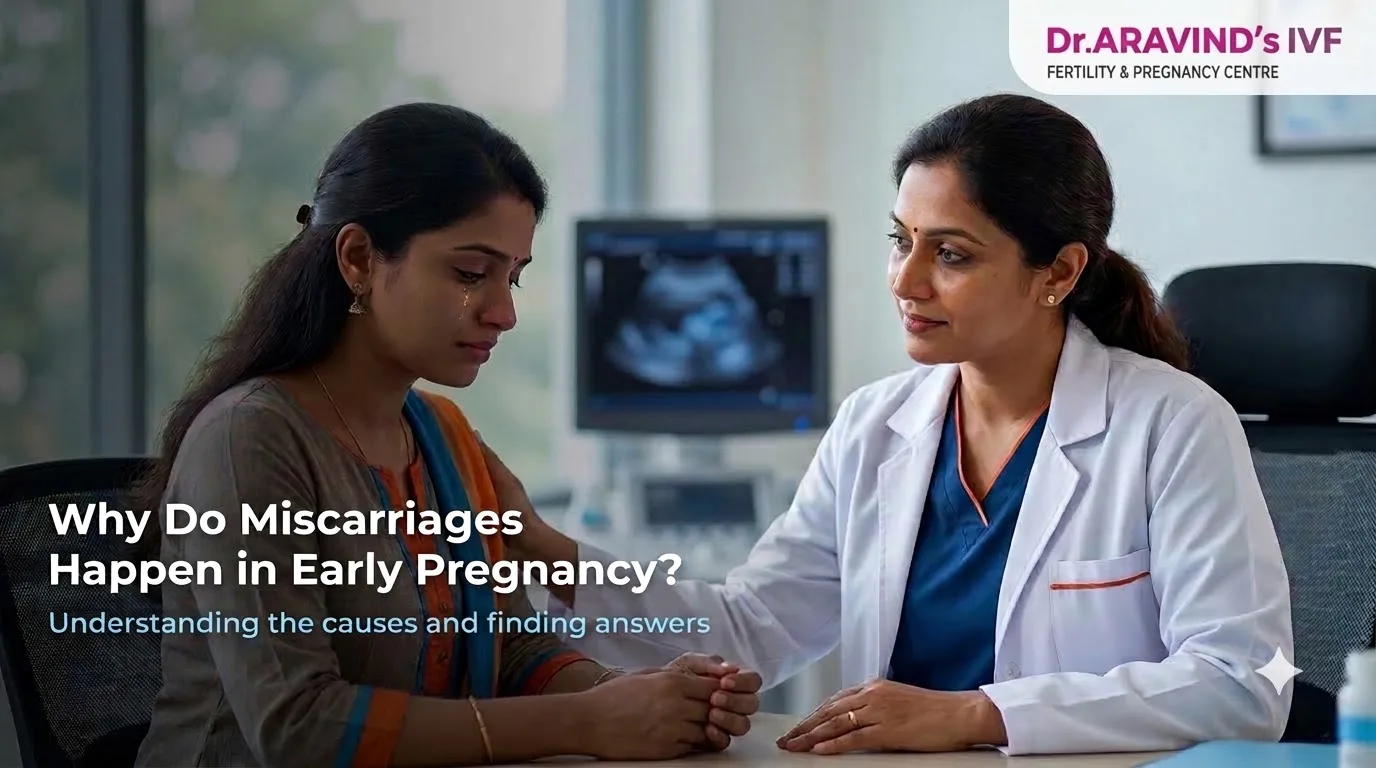
A positive pregnancy test brings hope, excitement, and many dreams. So, when a pregnancy ends unexpectedly, it can leave a woman and her family feeling heartbroken and confused. One of the first questions many people ask is, “Why did this happen?”
A miscarriage is the loss of a pregnancy before 20 weeks. Many miscarriages happen during the first 12 weeks, known as early pregnancy. In most cases, the loss is not caused by anything the woman did or did not do. Understanding the possible causes can help families find answers and seek the right medical support.
For those looking for a Best ivf hospital in nagapattinam, learning about early pregnancy loss can be a useful first step toward understanding pregnancy health, possible risk factors, and when medical advice may be needed.
What Are the Common Causes of Early Miscarriage?
1. Chromosomal Problems
One of the most common causes of early miscarriage is a problem with the chromosomes in the developing embryo. Chromosomes carry the genetic information needed for growth and development.
Sometimes, an embryo has too many or too few chromosomes. This can stop normal development and lead to miscarriage. These changes often happen by chance during fertilisation or early cell division.
In many cases, there is no way to predict or prevent this from happening. It also does not mean that either parent has a genetic problem.
2. Hormonal Imbalances
Hormones help support pregnancy, especially during the early weeks. Conditions such as poorly controlled thyroid disease or diabetes may increase the risk of pregnancy loss.
Some women may also have other hormonal or metabolic conditions that affect reproductive health. However, not every hormonal change causes miscarriage, and treatment depends on the condition identified by a doctor.
3. Problems With the Uterus
The shape and health of the uterus can affect how a pregnancy develops. Certain uterine conditions, such as some types of uterine septum, fibroids that affect the uterine cavity, or scar tissue, may increase the risk of pregnancy complications.
Not every fibroid or uterine difference causes miscarriage. A medical assessment helps determine whether a finding is relevant to the pregnancy.
4. Infections and Other Medical Conditions
Some infections and serious health conditions may affect pregnancy. The risk depends on the illness, its severity, and when it occurs.
Certain autoimmune conditions, including antiphospholipid syndrome, are also linked to recurrent pregnancy loss. This condition can affect blood clotting and the way the body supports pregnancy.
If you have a known medical condition, regular care and appropriate treatment before and during pregnancy can help manage risks.
What Factors Can Increase the Risk of Miscarriage?
Several factors may increase the chance of pregnancy loss, although none of them means that a miscarriage will definitely happen.
- Age: The risk of chromosomal abnormalities increases as the age of the woman increases.
- Previous miscarriages: Having had multiple pregnancy losses may indicate a need for further assessment.
- Uncontrolled health conditions: Poorly controlled diabetes and certain thyroid or autoimmune disorders may affect pregnancy.
- Smoking and alcohol: Smoking and alcohol use during pregnancy are associated with increased risks.
- Weight-related factors: Being significantly underweight or having obesity may affect reproductive and pregnancy health.
A history of miscarriage does not mean that a future pregnancy cannot be successful. Many women go on to have healthy pregnancies after a previous loss.
Can Stress or Everyday Activities Cause a Miscarriage?
This is a common concern, especially for women who keep wondering whether they did something wrong.
Routine activities such as walking, ordinary daily work, moderate exercise, or having an argument are not generally considered causes of miscarriage in an otherwise uncomplicated pregnancy. Normal emotional stress is also not an established direct cause of most early pregnancy losses.
In many cases, the loss occurs because the embryo could not develop normally. Women should not blame themselves for something they could not control.
What Are the Signs of Early Pregnancy Loss?
Early Pregnancy loss may cause vaginal bleeding, abdominal cramps, lower back pain, or the passage of fluid or tissue from the vagina. However, light bleeding can also occur in pregnancies that continue normally.
Some miscarriages are discovered during an ultrasound before any symptoms appear. Symptoms alone cannot confirm whether a miscarriage has occurred.
Seek urgent medical care if you experience heavy bleeding, severe abdominal pain, shoulder-tip pain, dizziness, or fainting. These symptoms may indicate a serious problem, including an ectopic pregnancy, which requires prompt assessment.
A doctor may use an ultrasound and, when appropriate, blood tests to understand what is happening. Do not assume that every episode of bleeding means a pregnancy has ended.
Can Early Miscarriage Be Prevented?
Not every miscarriage can be prevented, particularly when it results from a random chromosomal problem. However, preparing for pregnancy and managing existing health conditions can support maternal health.
Consider taking folic acid as advised by your healthcare professional, avoiding smoking and alcohol, reviewing medications with your doctor, and keeping conditions such as diabetes or thyroid disease under control.
If you have experienced two or more pregnancy losses, speak with a gynaecologist or fertility specialist about whether an evaluation for recurrent pregnancy loss is appropriate. Testing may depend on your medical history and the circumstances of each loss.
For people comparing options at a best IVF centre in india, it is important to understand that IVF does not prevent every miscarriage. A specialist should explain whether fertility treatment is appropriate and what factors may affect the chances of a healthy pregnancy.
Conclusion
Early miscarriage can happen for several reasons, with chromosomal problems being a leading cause. Hormonal conditions, uterine problems, certain illnesses, and other risk factors may also play a role. In many cases, the cause cannot be identified, and the loss is not the woman's fault.
If you are searching for a Best ivf hospital in nagapattinam, look for a medical team that listens to your concerns, explains test results clearly, and offers care based on your individual needs. With the right support, you can better understand your reproductive health and plan your next steps.
Frequently Asked Questions
1. What is the most common cause of early miscarriage?
Chromosomal abnormalities in the developing embryo are the most common cause of early miscarriage.
2. Can stress cause a miscarriage?
Everyday emotional stress is not an established direct cause of most miscarriages. Many early losses occur because of problems with embryo development.
3. Can a woman have a healthy pregnancy after a miscarriage?
Yes. Many women have healthy pregnancies after a miscarriage, although individual outcomes depend on age, health, and other factors.
4. When should I see a doctor after a miscarriage?
Seek medical advice if you have bleeding or pain during pregnancy. Heavy bleeding, severe pain, dizziness, or fainting require urgent assessment.
5. When should recurrent miscarriage be investigated?
After two or more pregnancy losses, discuss your history with a healthcare professional to determine whether further testing is appropriate.