Many homeowners in Charlotte, North Carolina, face ongoing challenges related to moisture, humidity, and soil conditions. The region’s climate, combined with its clay-heavy soil, creates an environment where excess moisture can easily affect a home’s structural integrity. Over time, this can lead to issues ranging from foundation damage to poor indoor air quality. As a result, addressing moisture problems at their source has become an essential part of responsible home maintenance.
Two of the most effective solutions for managing these risks are foundation waterproofing and crawl space encapsulation. While each offers distinct benefits, combining both strategies provides a comprehensive approach that protects both the structure and the living environment inside the home.
Understanding Charlotte’s Unique Moisture Challenges
Charlotte experiences a mix of seasonal rainfall and high humidity levels, which can significantly impact residential properties. The soil in the area tends to absorb water and expand during wet periods, then contract as it dries. This repeated cycle places stress on a home’s foundation, potentially leading to cracks or shifting over time.
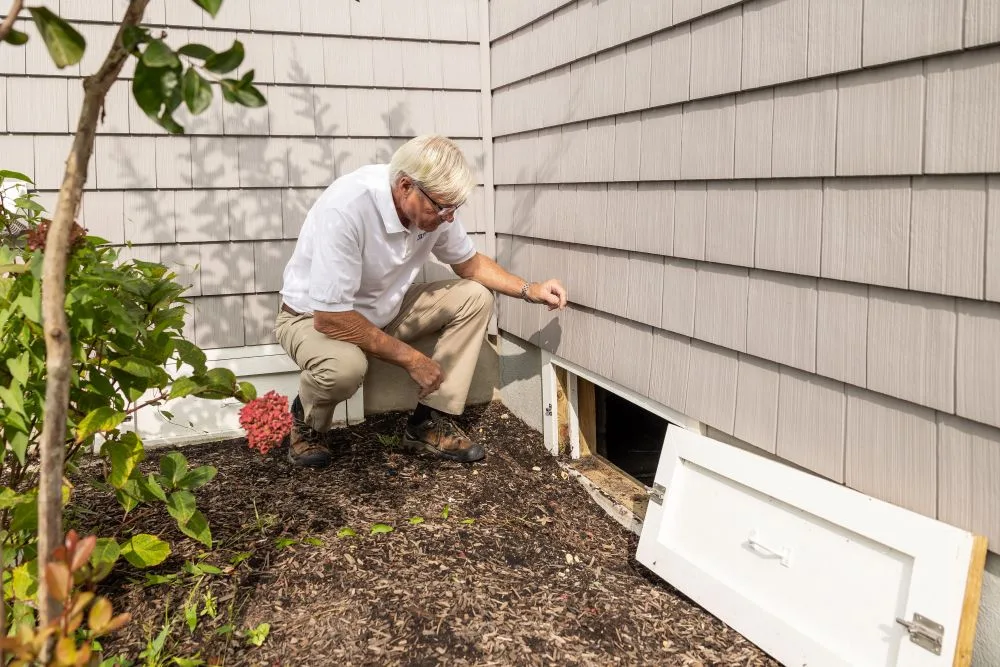
In addition, warm and humid air can easily seep into crawl spaces, especially if they are not properly sealed. This creates a damp environment that encourages mold growth, wood rot, and pest infestations. Without proper intervention, these issues can spread beyond the crawl space and affect the entire home.
The Role of Foundation Waterproofing
Foundation waterproofing focuses on preventing water from penetrating the exterior walls and base of a home. This process often involves sealing foundation walls, installing drainage systems, and directing water away from the structure.
By addressing moisture at the foundation level, homeowners can reduce the risk of cracks, leaks, and long-term structural damage. Waterproofing also helps maintain the stability of the soil surrounding the home by managing how water interacts with it. This is particularly important in Charlotte, where soil movement can contribute to foundation problems if not properly controlled.
Another benefit is the prevention of basement or crawl space flooding during heavy rains. By keeping water out from the start, homeowners can avoid costly repairs and maintain a safer, drier living environment.
Why Crawl Space Encapsulation Is Essential
While foundation waterproofing protects the exterior, crawl space encapsulation focuses on sealing and conditioning the space beneath the home. This involves installing a vapor barrier, sealing vents, and often adding dehumidification to control moisture levels.
A properly enclosed crawl space acts as a barrier against external humidity and ground moisture. This is especially important in regions like Charlotte, where humid conditions persist for much of the year. When combined with insulation and moisture control systems, encapsulation helps maintain consistent temperature and air quality throughout the home.
Many homeowners notice improved indoor comfort and reduced energy costs after encapsulation. Because the crawl space is no longer introducing damp air into the home, HVAC systems can operate more efficiently.
How the Two Solutions Work Together
Although each method offers valuable protection on its own, combining them creates a more complete defense against moisture-related problems. Foundation waterproofing stops water before it enters the structure, while encapsulation manages any residual humidity that could affect the crawl space.
Choosing the best crawl space encapsulation in Charlotte, NC solution alongside waterproofing ensures that both external and internal moisture sources are addressed. This dual approach reduces the likelihood of recurring issues such as mold growth, wood deterioration, and structural stress.
Homeowners who invest in both solutions often experience fewer maintenance concerns over time. By addressing moisture from multiple angles, they can better protect their property and avoid the cycle of repeated repairs.
Long-Term Benefits for Homeowners
Implementing both foundation waterproofing and crawl space encapsulation offers several long-term advantages. One of the most important is improved structural stability. By keeping moisture levels under control, the home’s foundation and support systems remain stronger and more reliable.
Another key benefit is healthier indoor air quality. Moisture in crawl spaces can lead to mold spores and allergens entering the living areas. Sealing and conditioning this space helps reduce these risks, creating a safer environment for occupants.
Energy efficiency is also enhanced when airflow and humidity are properly managed. Homes with encapsulated crawl spaces often require less heating and cooling, which can lead to noticeable savings on utility bills.
Finally, these improvements can increase property value. Potential buyers are more likely to be interested in homes that have proactive moisture control systems in place, as it signals that the property has been well-maintained.
Conclusion
Moisture management is a critical concern for homeowners in Charlotte due to the region’s climate and soil conditions. Relying on a single solution may address part of the problem, but a combined approach provides far more comprehensive protection. By investing in both foundation waterproofing and crawl space encapsulation, homeowners can safeguard their property, improve indoor comfort, and reduce the risk of costly future repairs.