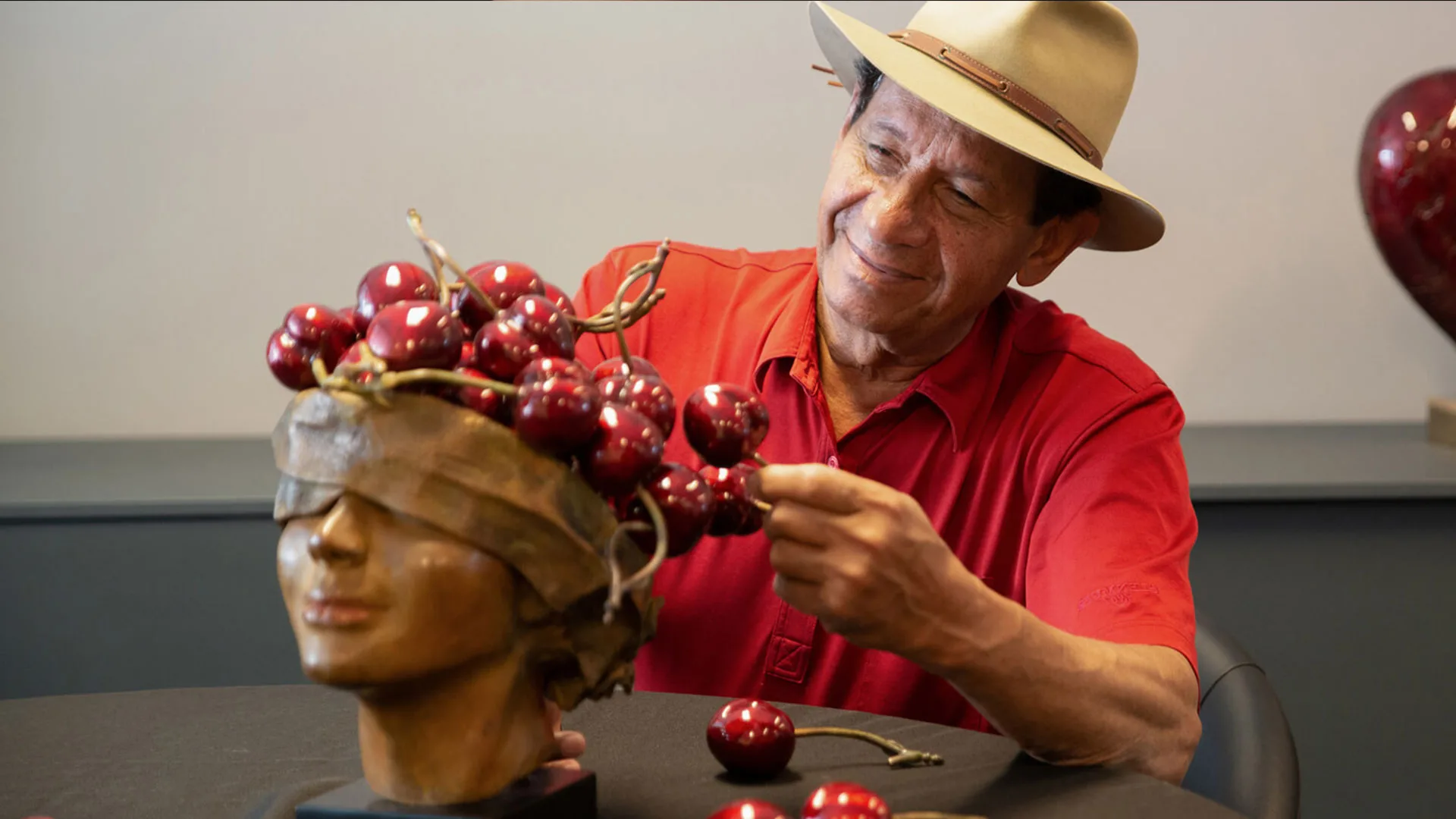
What makes this ancient material so appealing in modern homes, galleries, and private collections
Trends in art come and go, but bronze has held its place for thousands of years. From ancient figures to modern studio work, the material continues to attract artists and collectors who want something with weight, warmth, and permanence. Walk into a room with a well-made bronze piece and you notice it right away. It draws the eye, invites a closer look, and gives a space a sense of character that mass-produced decor rarely achieves.
Why Bronze Has Endured
Bronze is an alloy, mainly copper blended with other metals, and its strengths explain its long history. It is strong enough to hold fine detail, yet it can be shaped into flowing, organic forms. It resists wear better than many materials, which is why bronze works from centuries ago survive today. Its surface also changes gently over time, developing a patina that adds depth and a story of its own.
How a Bronze Piece Comes to Life
Creating a bronze artwork is a patient craft. It usually begins with an original model, sculpted in clay, wax, or another workable material. A mold is made from that model, and molten metal is poured in to take its shape. Once cooled, the piece is cleaned, refined, and finished by hand. Artists then apply color treatments to the surface, building tones that range from deep brown to golden or green. Every stage affects the final look, which is why two bronzes from the same design can feel slightly different.
What Makes Sculpture Feel Alive
A flat image is seen from one direction. A sculpture changes as you move around it. Light slides across the surface, shadows shift, and new angles appear. Good sculptural work uses form, balance, and texture to reward that movement. Smooth areas contrast with rough ones, and curves guide the viewer's eye through the piece. This is what separates a memorable sculpture from a simple object.
Finding Work Close to Home
Collectors who want to buy locally and meet the artists behind the work often start by exploring Bronze Art Sculptures Netherlands offers through its collection. Seeing a piece in person helps you judge scale, finish, and presence in a way photographs cannot always capture. Ask about the story behind each design, the finishing process, and how the piece is meant to be displayed.
Caring for Bronze at Home
Bronze is forgiving, but a little care keeps it looking its best. Dust it regularly with a soft, dry cloth. Avoid harsh chemicals and abrasive pads, which can damage the finish. Handle the piece with clean hands, since natural skin oils can mark the surface. Keep it away from constant moisture, and place it where it will not be knocked over. If you prefer to preserve a specific color, ask the artist about protective waxing.
Choosing a Piece That Fits Your Space
Start with scale. A large sculpture can anchor an entrance or living room, while a smaller one suits a shelf, desk, or side table. Think about lighting, since gentle side lighting brings out texture and form. Consider the mood you want, whether calm, playful, or bold. Most importantly, choose something that you enjoy looking at, because a good sculpture becomes part of daily life. Visit more than once if you can. A piece that still excites you on the second visit is usually the right one.
Conclusion
Bronze endures because it combines strength, craft, and beauty in a way few materials can match. Whether you are a first-time buyer or an experienced collector, a thoughtfully made sculpture can bring lasting meaning to your space. Art By Lothar offers a welcoming way to discover bronze work with character and personality.
FAQs
1. How do I care for a bronze sculpture?
Dust it with a soft, dry cloth, avoid harsh chemicals, and keep it away from constant moisture.
2. Will the color of bronze change over time?
Yes. Bronze develops a natural patina, and the change is often part of its appeal. A protective wax can slow it down.
3. Can bronze be displayed outdoors?
Many bronzes can, but weather will affect the surface over time. Ask the artist whether a specific piece suits outdoor display.