Many people assume estate planning is only for the wealthy or for seniors. That assumption is one of the costliest mistakes a Virginia resident can make. Whether you own a home, have young children, run a business, not having your estate plan leaves your future, and your family's future, in the hands of the state rather than in yours or your family member.
What Is the Worst That Can Happen?

What happens if you die? If you die without a will in Virginia, you are considered to have died "intestate." When that happens, the Commonwealth's intestacy laws, not your personal wishes, decide who inherits your property. This can lead to outcomes you never would have chosen. For example, Estate planning Lawyer Bethesda MD:
- A surviving spouse having to share assets with children or other relatives instead of inheriting everything
- Unmarried partners receiving nothing at all, regardless of how long you were together
- Family members inheriting property they cannot agree on how to manage or sell
- Minor children's inheritances being tied up in a court supervised guardianship until they turn eighteen
- No one knows your burial plans. So, someone creates one that may not have suited you.
It's Not Just About Death
A complete estate plan also protects you while you are alive. Without documents like a durable power of attorney and an Estate and Tax Planning Lawyer Montgomery County MD, a serious accident or illness can leave your loved ones unable to make financial or medical decisions on your behalf. Instead, they may be forced to petition a Virginia court for guardianship or conservatorship, a process that is:
- Expensive, often costing thousands of dollars in legal and court fees
- Slow, sometimes taking weeks or months while bills and decisions wait
- Public, since court proceedings become part of the public record
- Emotionally draining, adding legal stress to an already difficult situation
The Probate Problem
What if you own a house or condo? Even a simple will does not avoid probate in Virginia. Probate is the court supervised process of validating a will and distributing assets, and it can be time consuming and costly. For families who want privacy and speed, tools such as revocable living trusts, payable on death designations, and properly titled joint accounts can help assets pass more efficiently.
Who Needs a Plan
A common myth is that estate planning is only for people with significant wealth. In reality, if any of the following apply to you, you need a plan:
- You own a home or any real estate in Virginia
- You have minor children and want to name a guardian yourself
- You have a retirement account, life insurance policy, or investment account
- You are unmarried but have a partner you want to provide for
- You own a business, even a small one
- You simply want to control who makes decisions for you if you cannot for your money, for your digital assets, your things.
Peace of Mind Is the Real Return
What it is and what it is not. An estate plan is not really about death. It is about control. It ensures your children are raised by the people you trust, your medical wishes are honored, your assets go where you want them to go, and your family is spared unnecessary court battles during an already painful time.
Getting Started
A basic Virginia estate plan typically includes:
- A last will and testament
- A durable power of attorney
- An advance medical directive
- Beneficiary designations reviewed and updated
- A revocable living trust, if appropriate for your situation
The cost of creating these documents is almost always far less than the financial and emotional cost of leaving your family without them.
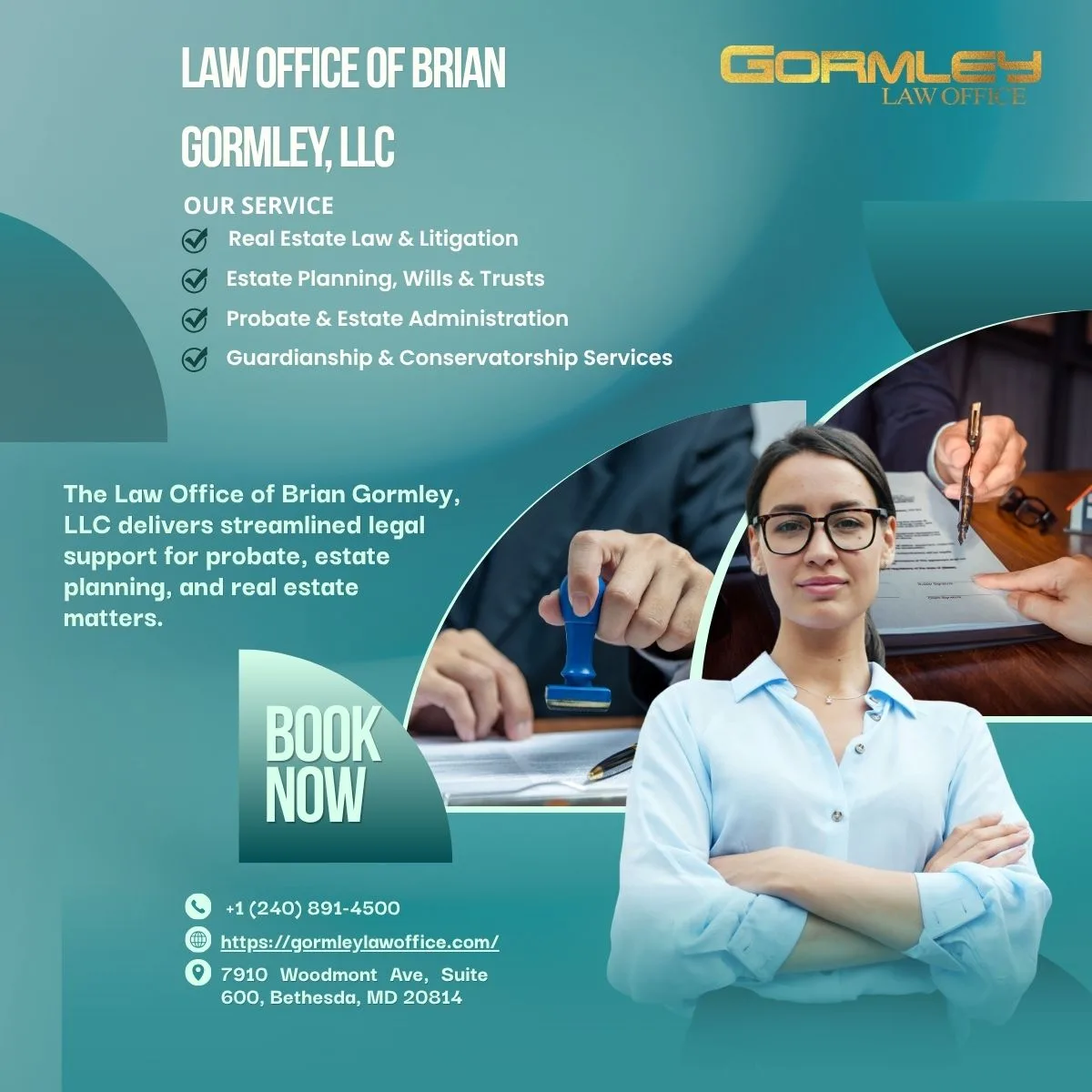
This article provides general information only and is not legal advice. Estate planning laws are specific to each state and situation, so consult with The Law Office of Brian Gormley LLC who is an entrepreneur himself and works with thousands of people in DC, Virginia and Maryland helping them with their Estate Plan, Wills and Trusts for 25 years.