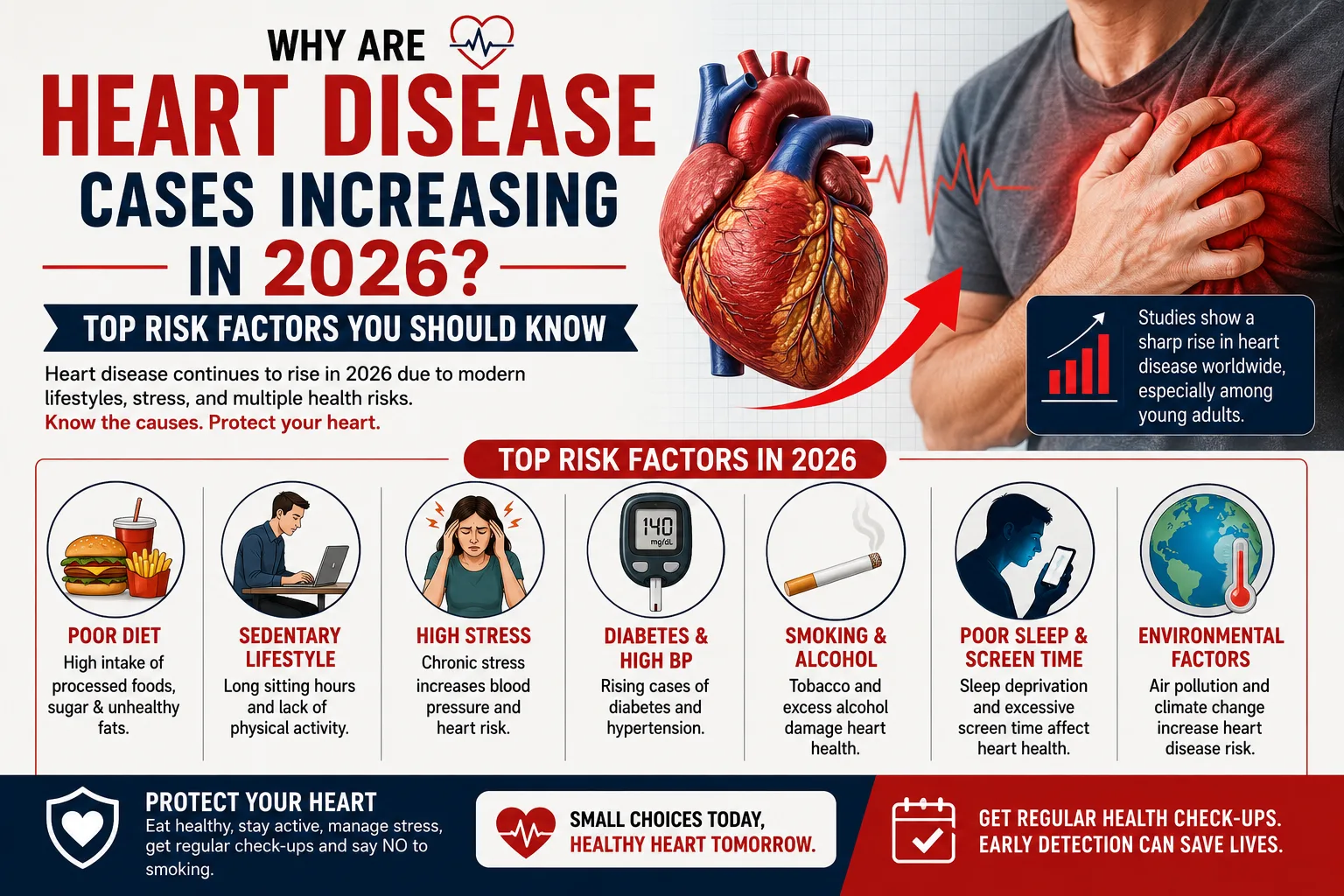
Heart disease remains the leading cause of death worldwide, and despite remarkable advances in medical technology, cardiovascular disease continues to affect millions of people every year. In 2026, cardiologists are seeing an increasing number of younger adults diagnosed with heart disease, high blood pressure, blocked arteries, and heart attacks.
While improved diagnostic tools help identify more cases than ever before, lifestyle changes are also playing a significant role. Sedentary jobs, highly processed diets, chronic stress, poor sleep, obesity, and diabetes have created a perfect environment for cardiovascular disease to develop earlier in life.
Understanding these risk factors gives you the opportunity to take action before serious heart problems occur. Combined with regular medical care and, when appropriate, non invasive heart treatment, prevention remains one of the most powerful tools in protecting your cardiovascular health.
Why Non Invasive Heart Treatment Is Becoming More Important
Modern cardiology increasingly focuses on preventing heart disease before it leads to heart attacks or heart failure.
A non invasive heart treatment aims to improve cardiovascular health without surgery whenever clinically appropriate. Along with lifestyle improvements and medications, these approaches may help eligible patients manage symptoms while reducing complications.
However, prevention remains far more effective than treating advanced disease.
1. Sedentary Lifestyles
Technology has made daily life more convenient but significantly less active.
Many adults now spend:
- Eight or more hours sitting
- Working at computers
- Driving long distances
- Watching television
- Using smartphones
Physical inactivity contributes to:
- Weight gain
- High blood pressure
- Poor circulation
- Insulin resistance
- Elevated cholesterol
The American Heart Association recommends regular physical activity to reduce cardiovascular risk.
Aim for at least:
- 150 minutes of moderate exercise each week
- Muscle-strengthening activities twice weekly
Even daily walking can provide meaningful heart health benefits.
2. Rising Obesity Rates
Obesity continues to increase globally and is closely linked with cardiovascular disease.
Excess body weight places additional strain on the heart while increasing the likelihood of:
- High blood pressure
- Diabetes
- Sleep apnea
- High cholesterol
- Chronic inflammation
Maintaining a healthy weight through balanced nutrition and regular exercise remains one of the most effective prevention strategies.
3. Diabetes Is Increasing
Type 2 diabetes has become one of the strongest contributors to cardiovascular disease.
Persistently elevated blood sugar damages blood vessels over time, increasing the risk of:
- Coronary artery disease
- Stroke
- Kidney disease
- Peripheral artery disease
Managing diabetes through diet, exercise, medication, and routine medical care significantly reduces long-term complications.
4. High Blood Pressure Often Has No Symptoms
Hypertension is frequently called the "silent killer."
Many people have high blood pressure without realising it.
Untreated hypertension gradually damages:
- Arteries
- Heart muscle
- Kidneys
- Brain
- Eyes
Regular blood pressure checks should be part of every adult's routine healthcare.
5. Poor Nutrition
Modern diets often contain excessive amounts of:
- Processed foods
- Added sugars
- Sodium
- Saturated fat
- Refined carbohydrates
These dietary patterns contribute to:
- Obesity
- Diabetes
- Elevated cholesterol
- High blood pressure
A heart-friendly eating pattern should focus on:
- Vegetables
- Fruits
- Whole grains
- Lean proteins
- Fish
- Beans
- Healthy fats
6. Chronic Stress
Stress affects much more than mental health.
Long-term stress may contribute to:
- Elevated blood pressure
- Poor sleep
- Emotional eating
- Smoking
- Reduced physical activity
Learning healthy stress-management techniques can support both emotional and cardiovascular wellbeing.
Helpful strategies include:
- Walking
- Meditation
- Deep breathing
- Yoga
- Spending time outdoors
- Speaking with a mental health professional when needed
7. Sleep Deprivation
Poor sleep has become increasingly common.
Adults who regularly sleep fewer than seven hours each night may have a higher risk of:
- Obesity
- Diabetes
- Hypertension
- Cardiovascular disease
Healthy sleep supports hormone regulation, metabolism, and heart function.
Aim for:
- Seven to nine hours of quality sleep each night.
8. Smoking and Vaping
Smoking remains one of the leading preventable causes of cardiovascular disease.
Smoking contributes to:
- Narrowed arteries
- Blood clot formation
- Reduced oxygen delivery
- Increased inflammation
- Higher heart attack risk
Although vaping may expose users to fewer toxins than traditional cigarettes, it is not considered risk-free for cardiovascular health.
Quitting tobacco remains one of the most effective ways to improve heart health.
Why Early Detection Matters
Many cardiovascular diseases develop silently over several years.
Routine screening allows healthcare providers to identify problems before symptoms appear.
Depending on individual risk factors, evaluations may include:
- Blood pressure measurement
- Cholesterol testing
- Blood glucose testing
- Electrocardiogram (ECG)
- Echocardiogram
- Stress testing
- Coronary calcium scoring
Early diagnosis often leads to better treatment outcomes.
The Growing Role of Epigenetic Bio Marker Test
Advances in precision medicine are transforming cardiovascular care.
An epigenetic bio marker test examines biological markers that may provide additional information about how genes are being expressed in response to lifestyle and environmental influences.
Researchers continue studying how epigenetic biomarkers may contribute to:
- Earlier disease detection
- Personalised risk assessment
- Preventive healthcare
- Precision medicine strategies
While this area continues to evolve, these emerging technologies may help physicians better understand an individual's cardiovascular risk profile when combined with traditional clinical evaluation.
Can Lifestyle Help Reverse Heart Disease Naturally?
Many patients ask whether it's possible to reverse heart disease naturally.
Although advanced coronary artery disease usually cannot simply disappear, healthy lifestyle changes may slow disease progression while improving cardiovascular health.
Helpful habits include:
- Following a Mediterranean-style diet
- Regular physical activity
- Weight management
- Smoking cessation
- Blood pressure control
- Diabetes management
- Cholesterol reduction
- Stress management
These changes remain the foundation of heart disease prevention.
When ECP Therapy or EECP Treatment May Be Considered
For some patients living with chronic stable angina despite medication and lifestyle improvements, physicians may recommend additional options.
ECP therapy, also known as EECP treatment, is a non-invasive outpatient therapy that uses inflatable cuffs around the legs to improve blood flow during treatment sessions.
This therapy is intended for carefully selected patients and should only be considered following a comprehensive cardiovascular evaluation.
It is not a replacement for emergency care, medications, or healthy lifestyle habits.
Protecting Your Heart in 2026
Simple daily choices continue to make the biggest difference.
Focus on:
- Exercising regularly
- Maintaining a healthy weight
- Eating nutritious foods
- Avoiding tobacco
- Managing stress
- Sleeping well
- Monitoring blood pressure
- Controlling cholesterol
- Scheduling routine medical check-ups
These habits significantly reduce cardiovascular risk over time.
Final Thoughts
Heart disease continues to rise in 2026 because of a combination of sedentary lifestyles, obesity, diabetes, poor nutrition, chronic stress, inadequate sleep, and tobacco use. While genetics influence cardiovascular risk, many contributing factors remain within our control.
Regular medical screening, healthy lifestyle choices, and early intervention remain the best ways to protect your heart. For eligible patients with chronic stable angina, physicians may discuss non invasive heart treatment, including ECP therapy or EECP treatment, as part of a personalised care plan. Emerging technologies such as the epigenetic biomarker test may also contribute to more personalised cardiovascular risk assessment as research continues to advance.