American streetwear has never followed one fixed formula. It grows through music, skate culture, workwear, vintage clothing, and ideas brought from other parts of the world. Japanese labels have earned a place in that mix by offering clothing with a strong visual identity and close attention to materials. READYMADE is one name that often comes up when people discuss this connection. READYMADE Clothing brings military references, recycled fabrics, oversized shapes, and a worn-in look into modern streetwear. For US shoppers, understanding where the label fits can make it easier to see why its pieces feel different from standard casual fashion.
What Makes READYMADE Stand Out in American Streetwear
US streetwear often mixes pieces from different style groups. A graphic tee can sit beside vintage denim, work boots, a varsity jacket, or a pair of modern sneakers. READYMADE works well within this open approach because its clothing does not depend on one narrow outfit formula.
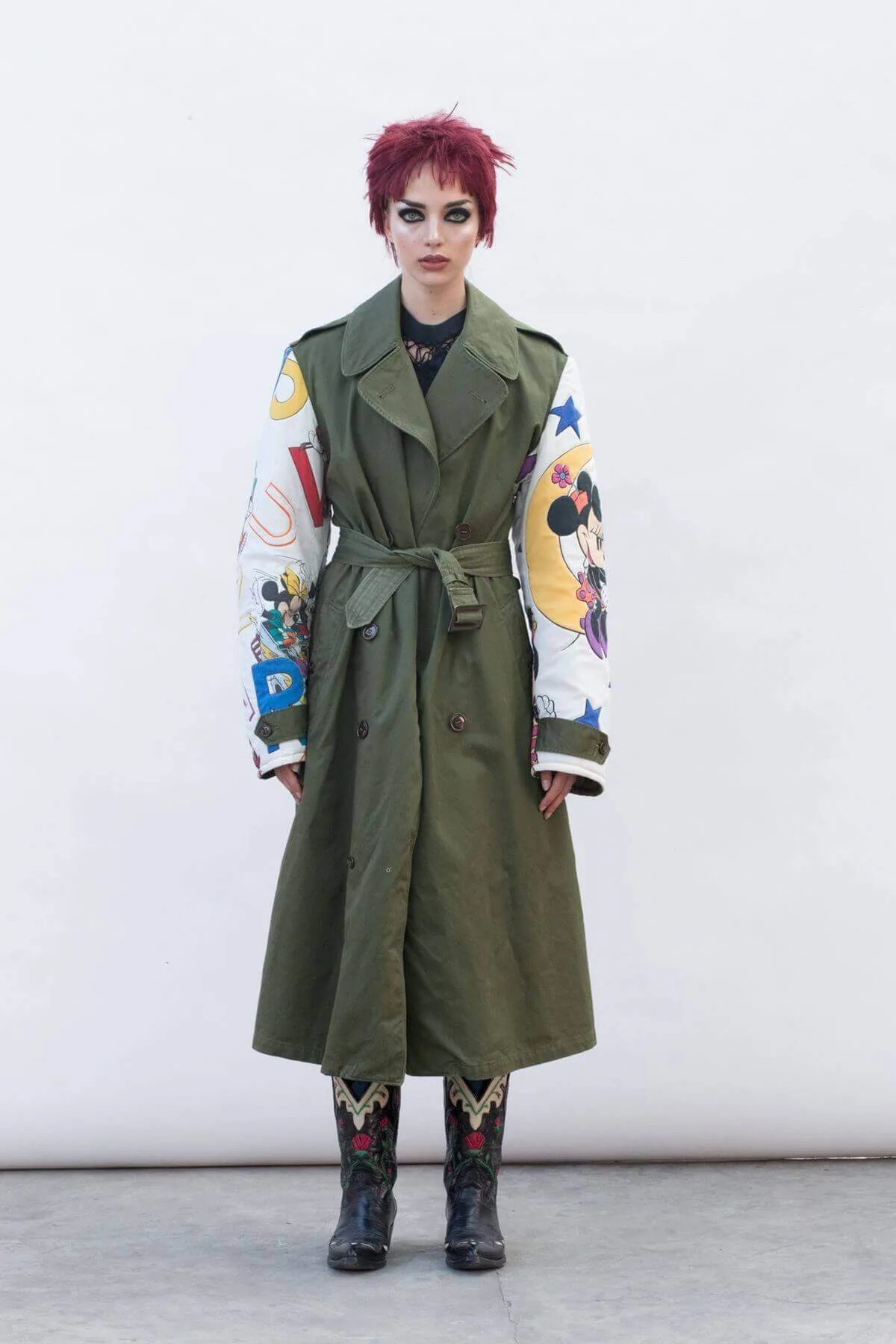
The label is known for using military-inspired ideas and materials that can give garments a used, aged character. This approach feels familiar to American shoppers because surplus clothing and vintage military pieces have long influenced casual dress in the US. READYMADE Clothing takes those references and places them in a fashion setting that feels styled and intentional.
The look can be bold without requiring a full outfit built around the same label. A jacket, shirt, hoodie, or pair of bottoms can become the main piece while the rest of the outfit stays simple. That makes READYMADE easier to mix with denim, sneakers, boots, caps, and other streetwear staples.
The Japanese Connection Behind the Style
READYMADE Japan is closely linked with designer Yuta Hosokawa and his approach to reworking military-inspired materials. The label began in Osaka in 2013 and became known for garments that use vintage and recycled elements. This Japanese point of view gives the clothing a different feel from many US streetwear labels.
READYMADE Clothing does not simply copy old military clothing. Its pieces reinterpret familiar shapes through new proportions, fabric choices, patchwork details, and finishing. The result can look rough and polished at the same time. That contrast is one reason the label fits comfortably into a streetwear scene where personal styling matters as much as the original purpose of a garment.
For American shoppers, the Japanese origin also adds another layer to the story. Japanese fashion has a long history of studying American workwear, denim, military clothing, and sportswear. READYMADE Japan turns those references around and presents them through a Japanese design viewpoint. The exchange between American clothing history and Japanese design gives the label a natural place in the US streetwear conversation.
Why Military Style Works in the US
Military clothing has influenced American fashion for decades. Field jackets, cargo pants, bomber jackets, utility shirts, and surplus bags have all moved from practical use into everyday wardrobes. Streetwear often takes these familiar pieces and changes how they are worn.
READYMADE Clothing connects with that history through oversized cuts, military colors, distressed surfaces, and utility-inspired details. These features can work with casual outfits because they already share visual links with denim, sneakers, hoodies, and graphic tees.
There is also a difference between wearing actual surplus clothing and wearing a fashion piece inspired by surplus design. Surplus items are made for practical use and often have simple construction. READYMADE takes the visual language of those garments and gives it a fashion-focused shape. That distinction helps explain why the label can feel at home in a US streetwear wardrobe while still looking different from ordinary military surplus.
How READYMADE Clothing Fits Different US Cities
Streetwear changes from city to city. Los Angeles often has a relaxed mix of denim, sneakers, tees, and outerwear. New York can lean toward darker colors, layered outfits, and workwear references. Chicago has its own relationship with sportswear, utility pieces, and cold-weather layers. READYMADE can work across these settings because the clothing gives people room to build outfits around their own local style.
In Los Angeles, a roomy jacket can be worn with a plain tee, loose denim, and sneakers. The relaxed proportions suit the city's casual approach without making the outfit feel too formal.
In New York, READYMADE Japan pieces can work well with black denim, boots, knitwear, and simple accessories. Layering can bring out the structure of a jacket while keeping the outfit practical for changing weather.
In Chicago and other colder areas, outerwear becomes more than a visual feature. A military-inspired jacket can sit over a sweatshirt or knit layer, with heavier pants and boots completing the outfit. This shows how READYMADE Clothing can fit practical dressing as well as fashion-focused styling.
The same idea applies in smaller US cities. Streetwear does not need to copy a major fashion center. A person can combine one distinctive piece with familiar clothing and create a look that feels personal.
Styling READYMADE Without Making the Outfit Too Busy
A common mistake with statement clothing is adding too many competing pieces. READYMADE often has enough texture, shape, and detail to attract attention on its own. The rest of the outfit can stay quiet.
A READYMADE jacket can work with a plain white or black tee, straight-leg denim, and low-profile sneakers. This gives the jacket room to stand out. If the jacket has a distressed finish or multiple patches, simple colors can keep the overall outfit balanced.
READYMADE Clothing can also work with wider pants and vintage sneakers. This creates a loose silhouette that fits current streetwear styling without requiring a complicated combination. A hoodie under an outer layer can add depth during colder months.
Accessories should support the outfit rather than compete with it. A simple cap, watch, canvas bag, or understated jewelry can be enough. The goal is not to make every part of the outfit look rare. One or two strong pieces often create a cleaner result.
READYMADE Japan and the Appeal of Worn-In Design
One of the most interesting parts of READYMADE Japan is its use of materials and finishes that can feel aged from the start. Many modern garments are designed to look clean and new. The label takes a different route by using visual signs of wear as part of the design.
This connects with the American love of vintage clothing. Worn denim, old military jackets, faded sweatshirts, and used workwear have all played a role in US casual style. A garment with an aged appearance can feel more personal because it suggests a history, even when the piece is newly purchased.
READYMADE Clothing pushes that idea into a more fashion-led space. Its use of reused materials can also make each piece feel less uniform than mass-produced clothing. Small differences in fabric, color, or finish can become part of the appeal.
For shoppers, this means they should expect character rather than perfect uniformity. The appeal comes from the look and feel of the garment, not from making every piece appear identical.
Where the Brand Sits Among US Streetwear Fans
READYMADE has a place within the part of US streetwear that values design stories, unusual materials, and limited-feeling garments. It can appeal to shoppers who already enjoy vintage clothing, Japanese fashion, military references, or high-end streetwear.
READYMADE Japan also fits into a wider conversation about how Japanese designers reinterpret American clothing history. The label is not separated from US streetwear culture. Instead, it sits at a point where American references and Japanese design meet.
That position gives READYMADE Clothing a different role from a simple logo-driven streetwear label. The visual identity often comes from the garment itself: its shape, fabric, patches, stitching, and worn appearance. People who prefer clothing with strong physical details may find that approach more interesting than outfits built mainly around large graphics.
What US Shoppers Should Look For
Buying the label requires attention to fit, materials, condition, and the details of each piece. Oversized proportions can look very different from standard US sizing, so shoppers should check measurements instead of relying only on their usual size.
The fabric is also worth examining. Reused or aged materials can have irregular textures and small differences. These details are part of the style, but buyers should know what they are getting before placing an order.
Authenticity matters too. Because pieces can be sought after, shoppers should purchase from sellers with a clear product history and reliable information. Product photos should show labels, construction, hardware, and other identifying details when possible.
READYMADE Japan pieces may also work best when treated as wardrobe centerpieces. Instead of buying several statement garments at once, a shopper can start with one jacket, hoodie, shirt, or accessory and see how it fits with clothing already owned.
The Growing Link Between Japanese and American Streetwear
American streetwear and Japanese fashion have influenced each other for years. Japanese designers have studied American denim, military clothing, workwear, and sportswear, while American shoppers have embraced Japanese interpretations of those styles.
The label represents this exchange in a clear way. READYMADE Clothing takes familiar American references and gives them a distinct Japanese treatment. That makes the label relevant to US shoppers who want something connected to streetwear history but different from the most common versions of those garments.
READYMADE Japan also shows how a brand can build a recognizable identity without relying on one simple category. Military clothing, vintage fashion, streetwear, and luxury references can exist in the same wardrobe when the styling feels natural.
FAQs
Is READYMADE popular in US streetwear?
READYMADE has gained attention among US shoppers who follow Japanese fashion, vintage-inspired clothing, and high-end streetwear. Its military references and distinctive finishes give it a clear place within that audience.
What makes READYMADE Clothing different?
READYMADE Clothing stands out through military-inspired designs, reused materials, oversized shapes, and aged-looking finishes. These details give the pieces a different character from standard casual clothing.
Is READYMADE Japan connected to American fashion?
Yes. READYMADE Japan draws from American military, workwear, and vintage clothing references while presenting them through a Japanese design approach. This connection is part of the label's appeal in the US.
How should I style a READYMADE jacket?
Keep the rest of the outfit simple. Try a READYMADE jacket with a plain tee, relaxed denim or wide pants, and sneakers or boots. Neutral colors can help balance a detailed outer layer.
What should US buyers check before buying READYMADE?
Check measurements, material details, product photos, seller history, and signs of authenticity. Each piece may have different proportions and surface details, so careful checking can help avoid surprises.
Conclusion
READYMADE has a natural place in the US streetwear scene because it connects several style traditions that American shoppers already know. Military clothing, vintage wear, workwear, Japanese fashion, and modern streetwear all meet in its designs. READYMADE Clothing gives these references a distinct visual direction, while READYMADE Japan adds a Japanese perspective to familiar American ideas.