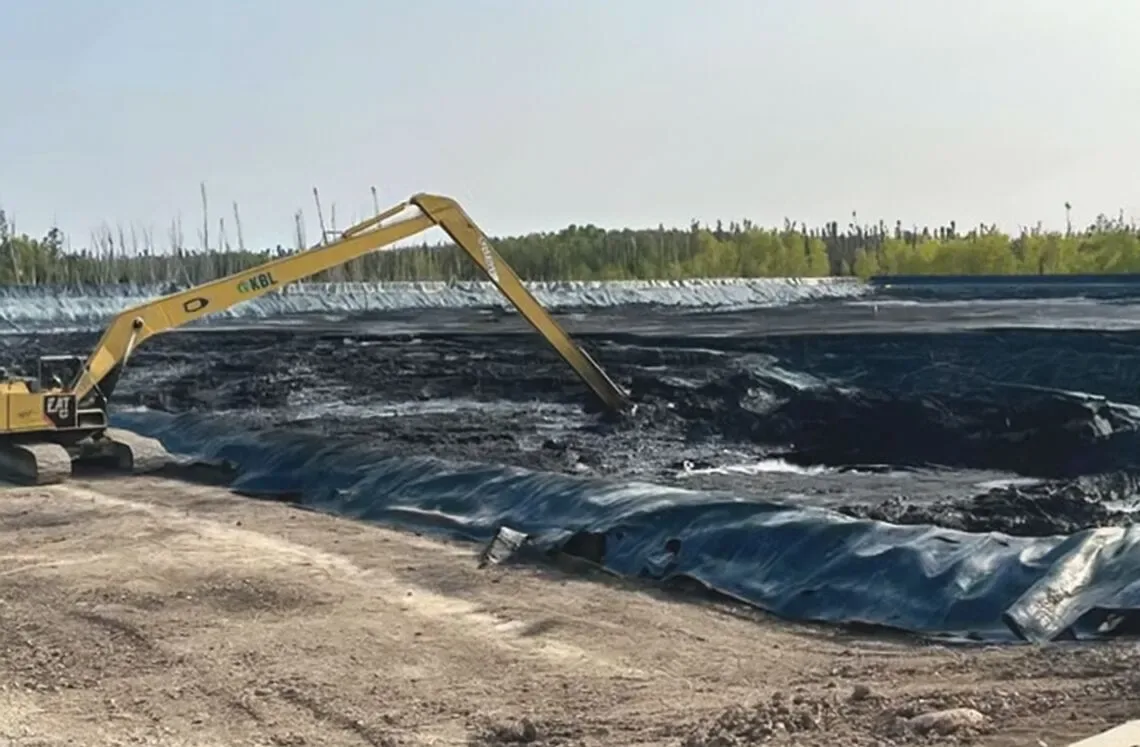
Most businesses think of waste as something that leaves the premises at the end of a process. A bin is filled, a truck arrives, and the material is taken away. However, this simple view does not reflect what actually happens in complex industrial, commercial, construction, mining, or remote-site operations. In many cases, waste behaves more like a logistics challenge than a disposal task.
The distance between where waste is created and where it can be safely treated, recycled, or disposed of can influence cost, timing, safety, and environmental performance. When access is difficult, weather changes quickly, or multiple waste streams are generated at different locations, even a small planning mistake can create delays. This is why businesses are beginning to look at waste as part of their wider operational flow rather than as an isolated final step.
The Hidden Journey of Business Waste
Waste rarely travels in a straight line from a workplace to its final destination. A material may be generated at a construction site, stored temporarily, sorted into different categories, transported to a transfer facility, processed, recycled, treated, or sent for final disposal.
Each stage requires coordination.
For example, a remote industrial project may generate several types of waste at once. Some materials may be suitable for recycling, while others may require specialised handling. If these materials are mixed together, the entire load may become more difficult and expensive to manage. Poor planning can also lead to unnecessary transportation, temporary storage problems, and increased risks for workers.
This means the real question is not simply, “How do we remove this waste?” A better question is, “What is the most efficient and responsible route for this material from the point of generation to its final destination?”
Waste Mapping Can Reveal Operational Problems
One of the most overlooked steps in modern waste planning is mapping the movement of waste across a site or organisation. This involves looking at where materials are generated, how they are stored, when they are collected, and where they ultimately go.
A waste map can reveal surprising inefficiencies.
A company may discover that employees are moving the same material several times before it leaves the site. Another organisation may find that collection vehicles are travelling long distances with partially filled containers. In a remote operation, an unsuitable container size may result in frequent trips that could have been avoided through better planning.
By studying these movements, businesses can identify opportunities to reduce unnecessary handling and transportation. This can improve efficiency without requiring major changes to the core operation.
The Role of Smarter Waste Routing
Modern waste management services are increasingly connected to route planning, site logistics, and operational scheduling. Instead of treating collection as a fixed routine, businesses can develop systems based on the type, volume, location, and urgency of the waste being generated.
This approach can be particularly valuable for operations spread across multiple locations. A coordinated schedule may allow materials from different sites to be consolidated before transportation. In other situations, on-site treatment or temporary processing may reduce the need to move large quantities over long distances.
Weather and accessibility also need to be considered. Northern and remote locations may experience seasonal road restrictions, limited transportation options, or sudden changes in site access. A waste plan that works during summer may not be suitable during winter. Flexible routing can therefore become an important part of business continuity planning.
Why Waste Streams Should Be Treated Differently
Another reason logistics matter is that not all waste should follow the same route. Hazardous materials, recyclable items, contaminated soil, industrial by-products, and general waste may require completely different handling procedures.
Separating these materials at the source makes it easier to determine the most suitable next step. Some materials may be recovered or reused, while others may require treatment at specialised facilities.
This is where waste management services can provide value beyond basic collection. A properly planned programme can connect waste identification, segregation, transportation, treatment, recycling, and final disposal into one coordinated process. The result is a clearer chain of responsibility and better visibility over where materials are going.
Emergency Waste Requires a Different Kind of Route
Planned waste collection is only one part of the challenge. Unexpected events can create immediate waste management requirements.
Equipment failure, spills, demolition activities, site closures, and industrial incidents may generate materials that cannot wait for a regular collection schedule. In these situations, delays can increase operational disruption and create additional environmental concerns.
An effective emergency plan should identify potential waste types, temporary storage requirements, transportation options, and approved treatment or disposal destinations before an incident occurs. The ability to mobilise quickly can make a significant difference when normal operations are interrupted.
This is another area where waste management services can support businesses by combining planning with rapid response capabilities. Instead of trying to arrange every element during an emergency, organisations can rely on an established framework designed for unexpected situations.
Data Can Improve Waste Decisions
Waste logistics also creates an opportunity for better decision-making through data. Tracking the volume, type, frequency, and destination of waste can help businesses identify patterns that are difficult to see through occasional inspections.
For example, data may show that a particular department consistently generates unnecessary waste or that a collection schedule does not match actual production levels. It may also reveal that certain materials are being sent for disposal even though recovery options are available.
Over time, this information can support more accurate forecasting and planning. Businesses can adjust container sizes, collection frequency, storage arrangements, and transportation schedules according to real operating conditions rather than assumptions.
The Future Is About Coordinating the Entire Journey
The future of waste planning will likely focus less on individual pickups and more on the complete journey of materials. Businesses will need to understand where waste originates, how it moves, what risks it presents, and whether its value can be recovered before disposal becomes necessary.
For companies operating across challenging environments, this broader approach can help reduce avoidable transportation, improve compliance, support worker safety, and make environmental performance easier to measure. It can also create stronger connections between waste planning and wider business operations.
Ultimately, waste management services are becoming more than a solution for removing unwanted materials. They are becoming part of how organisations plan movement, manage risk, respond to disruption, and use resources more efficiently. When waste is viewed as a journey rather than a final destination, businesses can discover opportunities to improve both operational performance and environmental responsibility.