
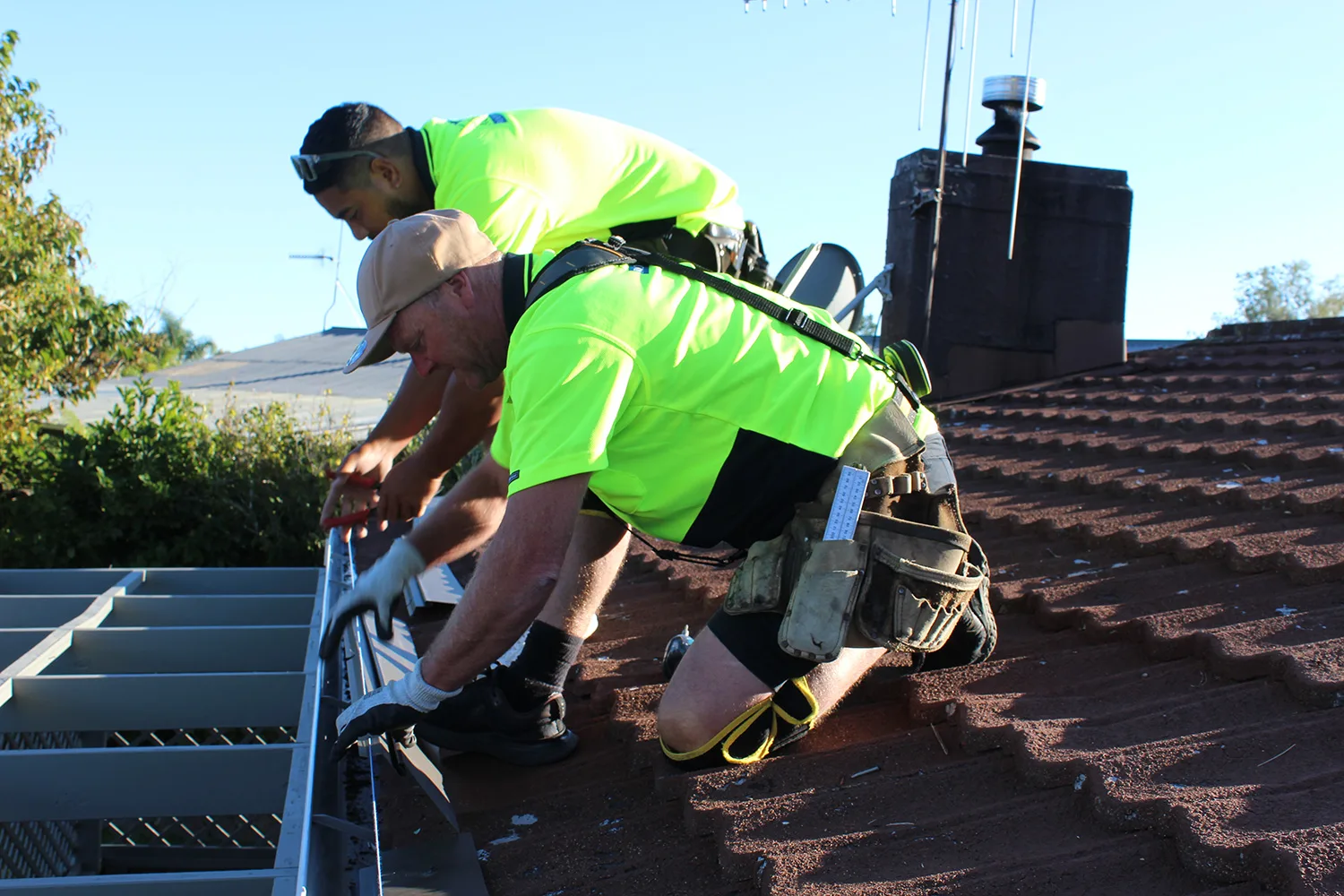
Gutters and spouting move rainwater away from your roof, walls and foundations. When the system starts leaking, overflowing or pulling away from the house, it may be possible to repair the affected section. In other cases, complete replacement or a gutter conversion will provide a more dependable long-term solution. It is always worth speaking with an experienced roofing or spouting company before deciding, as the cause of the problem may not be obvious from the ground.
What Is the Difference Between Gutters and Spouting?
The terms gutter and spouting are often used interchangeably in New Zealand. Both refer to the channels around the edge of a roof that collect rainwater and direct it towards the downpipes.
Common roof drainage systems include:
- External spouting installed along the edge of the roof
- Internal or concealed gutters built into the roofline
- Taylor fascia systems that combine the fascia and gutter
- Box gutters positioned between roof sections
- Valley gutters where two roof slopes meet
- Downpipes that carry water into the stormwater system
Every part needs to work together. New spouting will not necessarily prevent overflowing if the downpipes are blocked, poorly positioned or unable to carry enough water.
Signs Your Gutters or Spouting Need Attention
Gutter problems often become most noticeable during heavy rain, but there are also warning signs you can spot in dry weather.
Look out for:
- Water spilling over the side of the spouting
- Leaks around joins, corners or outlets
- Rust, cracks or holes in the gutter
- Sections that sag or pull away from the fascia
- Water pooling instead of flowing towards a downpipe
- Staining beneath the roofline
- Rot or deterioration around fascia boards
- Dampness near exterior walls or foundations
- Water stains or moisture inside the home
- Repeated blockages despite regular cleaning
A blocked gutter may only need to be cleared. However, recurring overflows can indicate that the system has insufficient fall, cannot manage the roof catchment or is no longer draining properly.
When Can Spouting Be Repaired?
Repairs are generally suitable when the damage is limited and the rest of the system remains in good condition.
A roofing or spouting contractor may be able to:
- Seal a leaking join
- Replace a broken bracket
- Reconnect a loose section
- Repair or replace a short length of spouting
- Correct the fall in a particular area
- Clear a blocked outlet or downpipe
- Replace a damaged corner or stop end
Repairing a relatively new system can be a practical and affordable choice. It may also make sense when accidental damage has affected one area but the remaining spouting is still performing well.
The repair should address the cause of the problem rather than simply cover the visible leak. If water continues to pool in the same location, adding more sealant is unlikely to provide a lasting solution.
When Is Full Gutter Replacement Better?
Replacing the complete system may offer better long-term value when deterioration is widespread or repairs are becoming a regular expense.
Full replacement could be the right choice if:
- Rust or cracking appears in several areas
- Multiple joins are leaking
- Large sections of spouting are sagging
- The existing material has become brittle
- Replacement parts are difficult to match
- The current profile cannot manage heavy rainfall
- The fascia or supporting structure also needs work
- Previous repairs are beginning to fail
- The roof is being replaced at the same time
New spouting provides an opportunity to assess the complete drainage system. The roof catchment, gutter profile, fall, outlets, downpipes and overflow measures all affect how efficiently rainwater is removed.
What Is an Internal Gutter Conversion?
An internal gutter is positioned within the roofline instead of hanging along its outside edge. This can create a clean appearance, but it also means a leak or overflow may direct water into the building rather than safely outside.
An internal gutter conversion changes the roof drainage arrangement so water is collected by a new external spouting system. Depending on the home, the work may involve alterations to the roofing sheets, roof edge, fascia, flashings, outlets and downpipes.
Internal gutters can perform well when designed, installed and maintained correctly. However, because they sit within the roof structure, problems can be harder to identify and may cause significant damage before they become visible.
Why Convert Internal Gutters to External Spouting?
A conversion may be considered when an internal gutter has a history of rust, poor water flow, leaks or overflowing.
As a home settles and moves over time, the fall of an internal gutter can change. Water may then begin pooling in low areas instead of draining towards the outlet. In a metal gutter system, this standing water can accelerate corrosion and eventually lead to failure.
Simply replacing the gutter with an identical internal system may not correct the underlying fall or drainage problem. Converting it to external spouting can provide several benefits:
- Overflowing water is more likely to discharge outside
- The spouting is easier to inspect and clean
- Leaks can be easier to identify
- Maintenance may be more straightforward
- Individual components can be easier to repair
- The fall can be set through the external brackets
- Future replacement may be simpler
Conversion is not automatically the best option for every property. A roofing specialist will need to inspect the existing roof and fascia to determine if an external system is practical.
Can Old Metal or Concrete Gutters Be Converted?
Some older New Zealand homes have metal, concrete or built-in gutter systems that no longer perform effectively. Depending on the roof design, these may be replaced, relined or converted to a modern external system.
The most suitable approach will depend on:
- The condition of the existing gutter
- The shape and pitch of the roof
- The position and condition of the fascia
- The space available for external spouting
- The number and location of downpipes
- How rainwater connects to the stormwater system
- The overall appearance of the home
An inspection will help determine if the current system can be repaired or if conversion would provide a more reliable result.
Choosing a New Spouting Material
Common options for Auckland homes include PVC, COLORSTEEL® and aluminium. Each material is available in different profiles, sizes and colours.
PVC spouting is lightweight, corrosion-resistant and available in several common profiles. COLORSTEEL® provides a clean metal finish and can often be matched with long-run roofing and fascia. Aluminium is another durable metal option that can be formed into different profiles.
The right material will depend on the home, local conditions, required water capacity, appearance and budget. Coastal exposure should also be considered, as salt carried through the air can affect some metals and fixings.
Appearance is important, but the system must first be able to manage the amount of water coming from the roof.
Do the Downpipes Need to Be Replaced Too?
Not always, but the downpipes should be inspected as part of any gutter replacement or conversion.
New spouting may continue to overflow if the downpipes cannot discharge water quickly enough. Additional or larger downpipes may be recommended where the roof has a large catchment area or the current outlets restrict water flow.
The contractor should also check that water is entering a suitable stormwater connection rather than collecting beside the foundations.
What Does Gutter Replacement Involve?
A typical replacement project may include:
- Inspecting and measuring the existing drainage system
- Removing the old spouting and brackets
- Checking the fascia for rot or damage
- Repairing supporting areas where required
- Installing new brackets with the correct fall
- Fitting the new spouting, corners and outlets
- Connecting or replacing the downpipes
- Testing the system and checking the water flow
- Removing and disposing of the old materials
A more involved gutter conversion may also require roofing, flashing or fascia work. The contractor should explain the proposed changes before the project begins.
Finding the Right Gutter and Spouting Company
Gutter replacement and conversion work should begin with an inspection of the complete roof drainage system. This includes the existing spouting, roof catchment, fascia, outlets, downpipes and stormwater connections.
Homeowners in Auckland can speak with Accredited Roofing about gutter and spouting replacement, including repairs and conversions from internal gutters or Taylor fascia systems to external spouting. Their team works with PVC, COLORSTEEL® and aluminium systems and can recommend an option suited to the home.
Should You Repair, Replace or Convert?
Repairs are generally appropriate when a problem is isolated and the rest of the system remains sound. Replacement makes more sense when the damage is widespread, the existing spouting is reaching the end of its life or its design is no longer suitable for the roof.
An internal gutter or Taylor fascia conversion may be worth considering when a concealed system has caused repeated leaks, poor water flow or ongoing maintenance concerns.
The safest place to start is with a professional inspection. An experienced roofing or spouting company can assess the roof edge, gutters, downpipes and stormwater flow before recommending a repair, replacement or conversion.