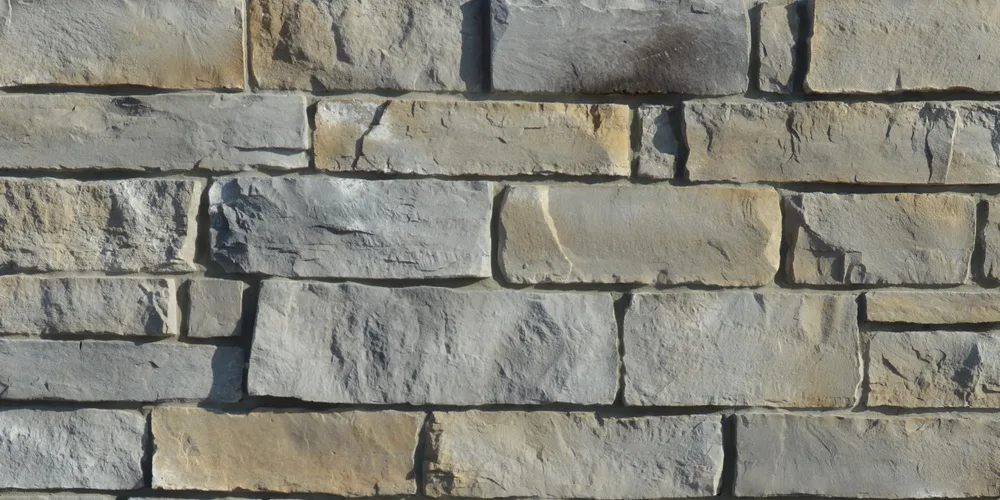
Thin stone has gained popularity as an exterior coating material for porches, entrances and accent walls, but very few people have any idea about it. To begin with, thin stone veneer is nothing more than a decorative coating of your walls; it is not a stone wall itself. If you were aware of all the information related to its manufacture, application and maintenance, you would be able to make up your mind regarding stone veneer services in Toronto.
There are basically two types of thin stone veneer: Natural stone veneer and Manufactured Stone. Natural stone veneer is a stone veneer that is cut from natural rocks into thin sheets. That means that each sheet will be unique in terms of colour and texture. Manufactured Stone is a concrete type of stone veneer consisting of cement, aggregate, water and colouring materials.
Just like when choosing stone, it is equally important how the stone veneer is fastened as well. Installation instructions for adhered veneer commonly call for a water-resistive barrier over the sheathing, then metal lath, then a mortar scratch coat that the stone is set into, with a drainage detail such as a weep screed at the base. There are many variations according to the type of stone selected, but the instructions on that specific stone should serve as gospel rather than guidelines.
Moisture is the nemesis of any type of facade, and the Greater Toronto Area does not skimp on moisture: rain, snow melting and subsequent freeze-thaw cycles. Attention to the barrier underneath, window and door flashing, and where the veneer comes to the ground will extend the life of the installation more effectively than colour selection.
Design decisions need attention as well. The veneer can be used for highlighting areas such as base courses below siding, chimneys, columns, and entrance walls. Placement of stones prior to installation and the use of stones from different boxes will reduce the possibility of having visible seams where different colours or patterns appear. Corner stones should be set first to ensure straight edges.
The maintenance requirements will be modest although not absent. Clean the surface of any dust or dirt using water and a soft brush, have the joints of mortar and sealant checked out in springtime, and make sure soil, mulch and any snow do not gather around the bottom of the wall.
Budget concerns go further than the price of the material used for the stones. Find out how the walls will be prepared, how the flashing and waterproofing will be done, and how the work will be checked before it is covered up. It is always better to have a quote that shows you these processes than a quote listing only materials.
When used properly, the stone veneer in Toronto can provide you with the character of a masonry structure without renovating the whole building. Learn how the system works behind the surface and match the product to its place on the wall, and the result should look good and perform well through many seasons.
Paul Thomas is the author of this article. For more details about schedule renovation consultation, please visit our website: homerenosource.com