Choosing a career in aviation is an exciting decision, but the training you choose deserves careful thought. For students who dream of becoming pilots, finding the right flight training academy is an important step towards building a strong foundation for their future. With different training options available, it helps to look beyond advertisements and understand what each institution actually offers.
The right choice depends on your learning needs, career goals, budget and the quality of training and guidance available. Before enrolling, here are a few important things every aspiring pilot should consider.
1. Understand What the Academy Actually Offers
Not every aviation training provider offers the same type of education. Some focus on theoretical subjects and DGCA examination preparation, while others provide practical flight training through an approved flying school.
Before making a decision, understand whether the academy offers ground classes, CPL preparation, PPL-related guidance, airline interview preparation or other aviation courses. If you plan to become a commercial pilot, you should also understand where you will complete your practical flying hours and how the different stages of training fit together.
Having this clarity from the beginning can help you avoid confusion later. It also makes it easier to compare programmes based on your actual requirements.
2. Check the Quality of Teaching and Learning Support
Aviation involves several technical subjects, including air navigation, meteorology, aviation regulations and aircraft-related knowledge. These subjects require more than memorising information for an examination.
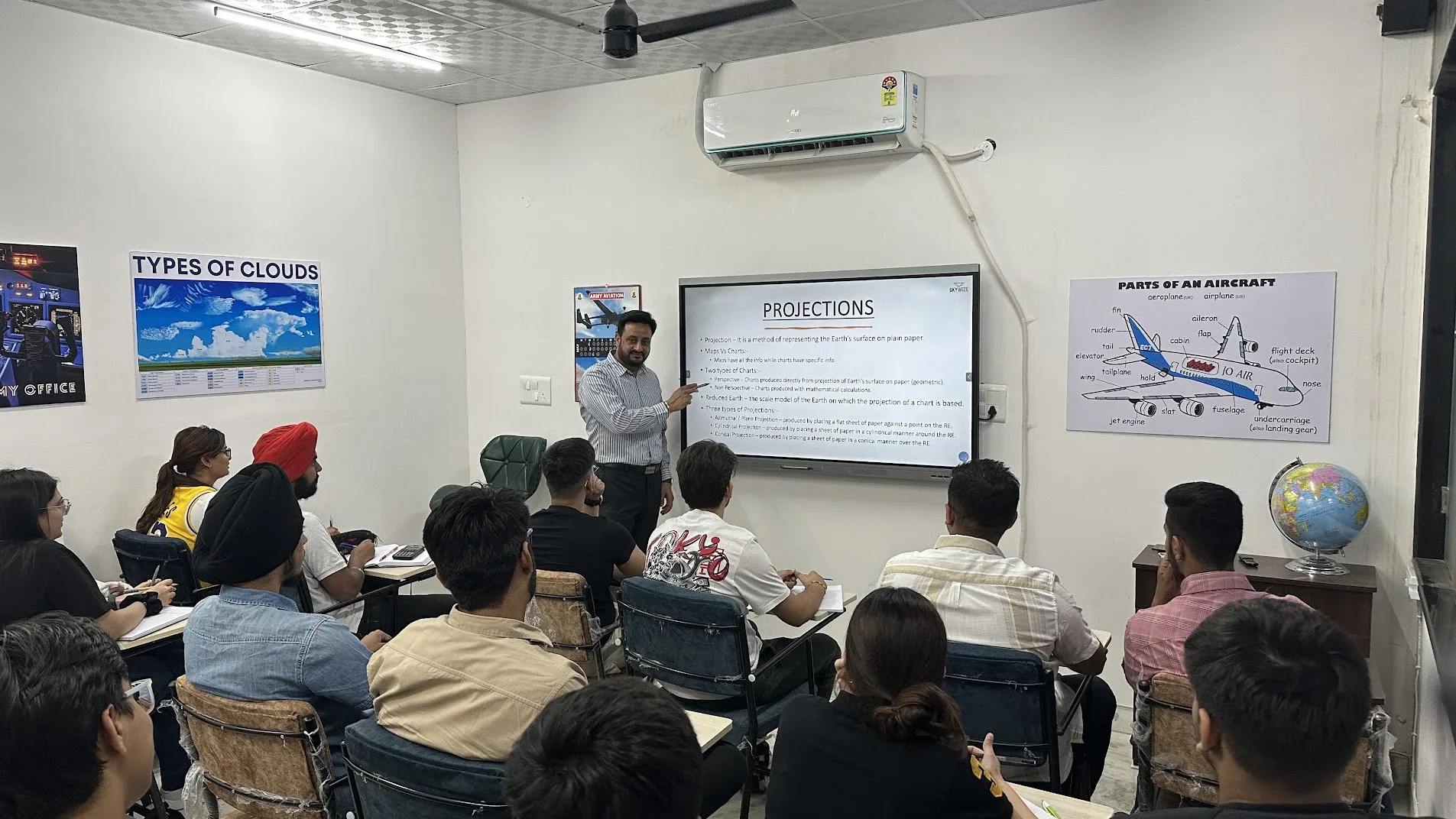
Look for an academy that explains concepts clearly and encourages students to ask questions. Experienced instructors, regular practice sessions, revision support and opportunities to discuss difficult topics can make learning more manageable.
You should also ask how student progress is monitored. Regular feedback can help you identify areas that need improvement before examinations. A supportive learning environment is particularly valuable when you are dealing with unfamiliar concepts or a demanding study schedule.
3. Review the Training Structure and Study Resources
A well-planned training programme helps students understand what they need to learn and how to prepare for each stage. Before enrolling in a flight training academy, ask about the course structure, class schedules, study materials and revision arrangements.
Find out whether the programme includes practice questions, mock tests or additional explanations for challenging subjects. These resources can help you assess your understanding and become more comfortable with examination-style questions.
It is also worth checking how the academy handles missed classes, doubts and changes in schedules. Clear answers to these questions can give you a better idea of what the learning experience will be like.
4. Understand the Costs Before Committing
Pilot training requires financial planning, and the total expense can vary considerably depending on the route you choose. Ground school fees are only one part of the picture. Practical flying hours, examinations, medical assessments, accommodation, travel and other requirements may add to the overall cost.
Ask for a clear breakdown of the fees and check what is included in the quoted amount. If practical flight training is arranged separately, understand those costs as well.
Be cautious about making a decision based only on the lowest advertised price. Instead, compare the services, learning support and overall expenses associated with each option. A realistic budget can help you plan your training without unnecessary financial pressure.
5. Research the Flying School and Practical Training Arrangements
If your goal is to earn a Commercial Pilot Licence (CPL), theoretical preparation and practical flying experience both matter. The flying school you choose for practical training deserves the same level of attention as your ground-training provider.
Check the school's applicable approvals, aircraft availability, instructor availability, maintenance practices and arrangements for scheduling flying hours. Ask how weather conditions, aircraft maintenance or operational delays might affect your training timeline.
You should also understand the applicable licensing requirements and confirm important details through the Directorate General of Civil Aviation (DGCA) in India. Avoid relying entirely on verbal assurances when making a significant educational investment.
6. Consider Career Guidance and Long-Term Preparation
Pilot education does not end with completing classroom lessons. Students may also need to prepare for airline selection processes, technical assessments and interviews, depending on their career goals.
An academy that offers relevant career guidance can help students understand what to expect beyond their examinations. This may include developing communication skills, strengthening aviation knowledge and learning how airline recruitment processes work.
However, career support should be evaluated realistically. Ask what guidance is actually provided, and remember that completing a course does not guarantee an airline job. Your qualifications, performance and the requirements of individual employers will also matter.
7. Look for Transparency and a Suitable Learning Environment
The way an academy communicates with prospective students can tell you a great deal. Reliable providers should be willing to explain their courses, fees, training arrangements and limitations without making unrealistic promises.
If possible, speak with current or former students and ask about their learning experience. You can also enquire about class sizes, access to instructors and the support available when students struggle with a subject.
Most importantly, choose a learning environment that suits your needs. The best option is not necessarily the most expensive or the most heavily advertised one. It is the one that aligns with your goals and provides clear, relevant support.
Make Your Decision with Confidence
Choosing a flight training academy is a decision worth researching carefully. Understanding the course structure, teaching quality, total costs, practical flying arrangements and career guidance can help you make a more informed choice.
SkyWize Aviation supports aspiring pilots through aviation education and ground-training programmes designed to help them prepare for the next stages of their journey. Students can explore the available training options, understand their requirements and make decisions that suit their individual career plans.
Before enrolling anywhere, take the time to ask questions, compare your options and verify important details. A thoughtful start can help you approach aviation training with greater clarity and realistic expectations.