When choosing between local SEO vs PPC, you must evaluate your immediate revenue needs and your budget for long-term growth. If your local business needs customers today, paid search campaigns will put you in front of buyers immediately. If you want a sustainable source of leads that does not require ongoing per-click fees, organic search is the superior option.
Many business owners struggle to balance these two approaches. This analysis provides a clear look at how each channel operates, how they generate returns, and how to choose the right path for your specific situation.
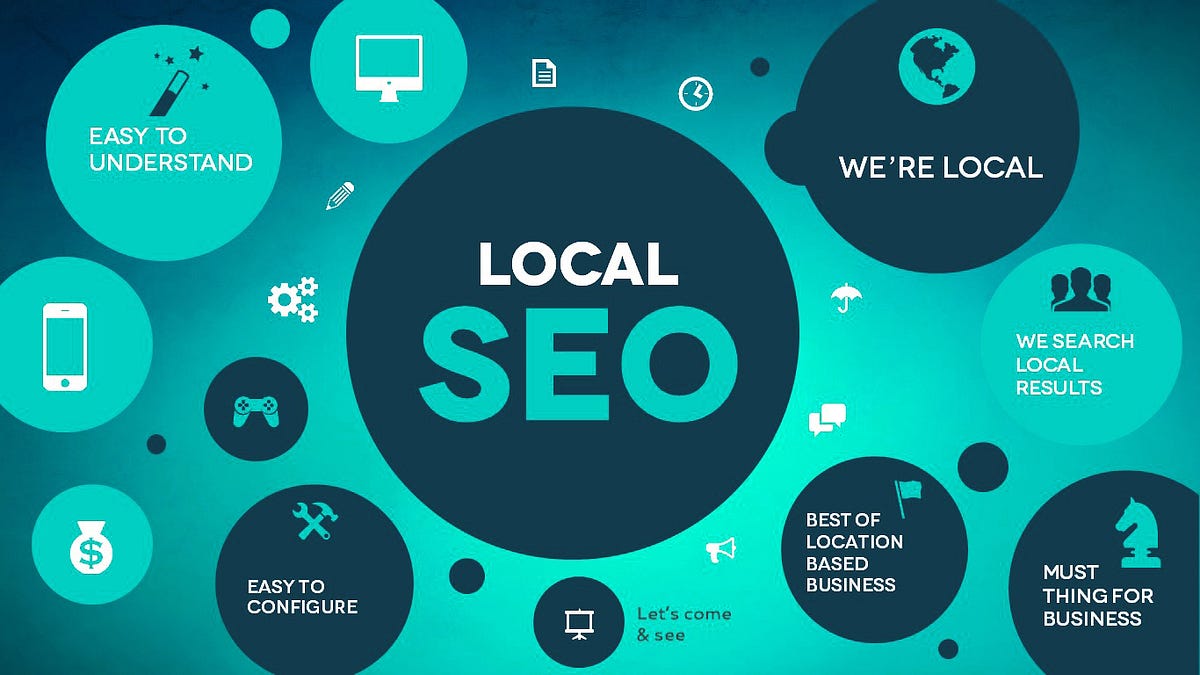
Because search engine algorithms prioritize local relevance, neighborhood businesses have a massive opportunity to capture nearby demand. Investing in local SEO services helps businesses improve their visibility in local search results and attract customers who are actively searching for nearby products or services. Leveraging these platforms correctly is key to building a highly visible local brand, beginning with organic search.
Why Organic Search Visibility Matters for Local Growth
Organic search results capture the vast majority of local consumer attention. When you invest in organic search marketing, you build a digital asset that continues to send customers to your store or service team without charging you for every single click.
This strategy establishes long-term presence and credibility. It positions your brand as an established authority in your geographical region.
- Organic search results earn more trust from users who instinctively skip past sponsored ads.
- Optimizing your web presence helps you rank in map results, where most local mobile searches find quick solutions.
- The long-term cost per acquisition remains incredibly low once your organic rankings stabilize.
To build a solid organic profile, you must optimize your business listings and create locally focused content. This action signals your direct relevance to nearby customers and search engine crawlers alike, which is further reinforced by consistent directory citations.
Bonus Tip: Keep your business hours, address, and contact details identical across all local business directories. Search engines use this consistency to verify your physical business location and boost your overall organic authority.
When to Deploy Google Ads for Your Business
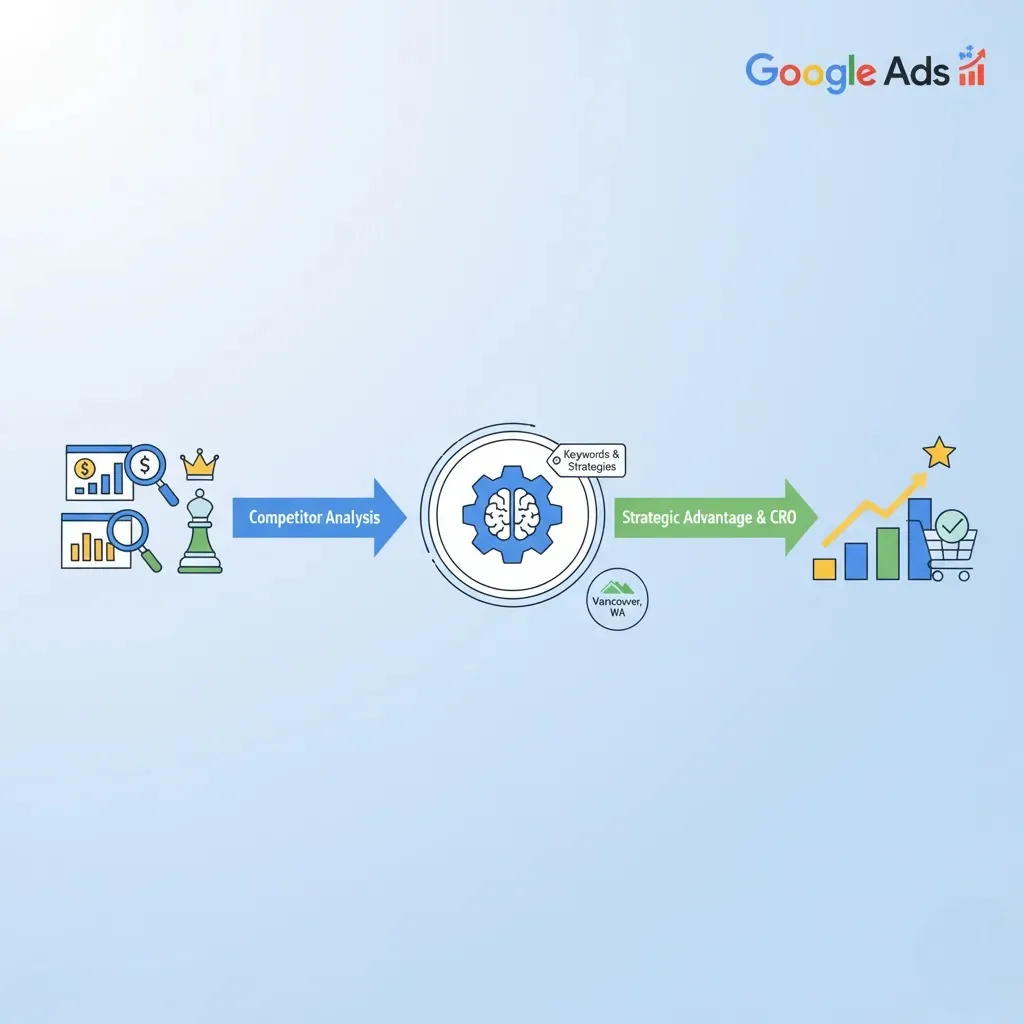
There are situations where you cannot wait months for organic rankings to climb. Utilizing Google Ads for small businesses gives you immediate placement at the very top of search result pages for your target services.
This paid model operates on a bidding system where you pay only when a user actively clicks on your ad. It offers a level of target precision and timing control that organic methods cannot match.
- Paid ads let you target highly specific ZIP codes, neighborhoods, and radius rings around your store.
- You can launch campaigns in minutes to promote immediate sales, seasonal offers, or emergency services.
- The clear tracking tools let you measure your exact paid advertising ROI with precision.
Paid search is ideal for businesses that have high-margin products or services where a single sale easily covers the cost of several dozen clicks. It also helps new businesses establish cash flow while their organic efforts develop.
Bonus Tip: Set up ad scheduling to only display your ads during your actual business hours. This prevents wasting ad spend on late-night clicks when no one is available to answer the phone.
Which Strategy Fits Your Current Marketing Budget
Deciding between local SEO and PPC requires looking closely at your monthly cash flow. If you have a small, fixed budget, organic optimization offers a more predictable cost structure than competing in expensive ad auctions.
Conversely, if you have venture funding or strong cash reserves, paid search allows you to scale up leads almost instantly. Understanding the direct financial performance of both models helps you plan your marketing budget more effectively.
The table below outlines the core functional differences between organic search and paid advertising for local operators.
Local Traffic and Cost Comparison Table

- Organic traffic continues to flow even if you temporarily pause your active marketing spend.
- Paid traffic stops completely the moment you turn off your ad campaign or run out of your daily budget.
- Combining these strategies allows your brand to occupy multiple positions on the same search results page.
Key Factors to Evaluate Before Making a Strategy Decision
Before allocating resources to either channel, you must evaluate your industry dynamics. Not all business types find equal success with the same marketing mix.
For example, emergency services like plumbing, towing, or lock repair depend heavily on paid ads because customers need immediate assistance. A homeowner with a flooded basement will click the first phone number they see at the top of the search page.
- Assess your local competitor density to see how many players are bidding on your target keywords.
- Determine your customer lifetime value to establish how much you can afford to pay for a single lead.
- Verify your website speed and mobile usability to avoid wasting paid traffic on a slow site.
Consider regional seasonality when setting up your marketing budget. For example, roofing or HVAC businesses in northern climates should scale up paid ads during peak weather changes, while using organic search to keep leads coming in during the off-season.
You must also inspect your local service area. If you operate in a small town, organic search might be easy to dominate quickly. If you operate in a major metropolitan area, paid ads might be necessary just to get noticed among hundreds of competitors.
Making the Right Decision for Sustainable Local Growth
Finding the right balance between local SEO and PPC is a matter of alignment with your current business phase. Early-stage businesses often need the quick boost of paid ads, while established businesses focus on organic growth to lower their marketing costs.
Review your target market, your competition, and your immediate cash flow needs. Most successful local brands find that a blended model offers the best balance of immediate sales and long-term search engine dominance.
Get a Free Custom Local Strategy Analysis to Grow Your Customer Base
Developing a balanced search strategy requires expert local market knowledge. You can receive a customized growth blueprint by reaching out to the team at Genius Marketing at (360) 519-5100 or sending an email to [email protected]. Explore their physical location and read local client success stories on their [Map Link: https://maps.google.com/?cid=123456789] to see how they help businesses grow.
Frequently Asked Questions About Local Search and Paid Ads
How long does it take to rank locally using organic search methods?
Most local businesses see noticeable ranking improvements within three to six months. This timeline depends heavily on competitor activity, the quality of your website content, and your physical proximity to the searcher.
Can you run paid ads without having an optimized website?
You can run campaigns, but it is highly inefficient and expensive. Your landing pages must load quickly and clearly answer the user's search query to convert those paid clicks into paying customers.
Does running paid ads help improve your organic search rankings?
No, paid advertising does not directly influence your organic rankings. Google keeps its paid advertising auction system completely separate from its organic ranking algorithms.
Which option offers a lower cost per lead in the long run?
Organic search consistently offers a lower cost per lead over time. Once your website ranks high, you do not pay Google for the traffic that arrives on your site.
Should emergency service providers prioritize organic search or paid ads?
Emergency service providers should prioritize paid ads first to capture immediate business. Customers looking for urgent help usually click the first phone numbers they see at the very top of the search page.