
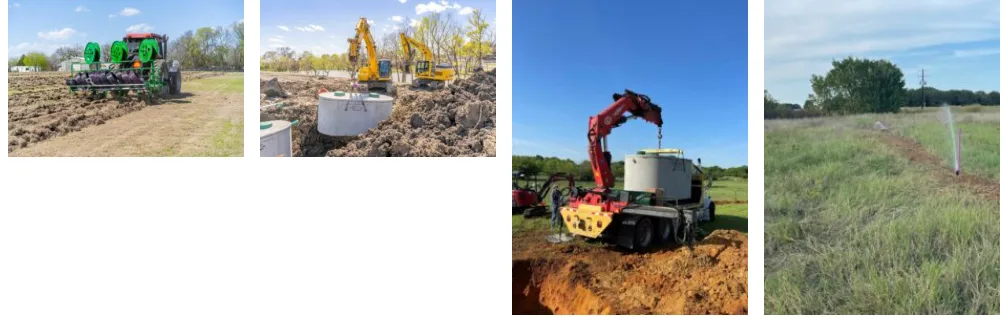
Rural land offers space, privacy, and flexibility, but it also comes with practical responsibilities. Before building, improving access, or replacing a septic system, property owners should understand how dirt work, drainage, and wastewater planning fit together.
Why Site Conditions Matter
Every property has its own challenges. Soil type, slope, trees, driveways, utilities, and water flow can all affect how a project should be planned. A septic system, building pad, or drainage improvement that looks simple on paper can become expensive if the site is not evaluated carefully first.
Good excavation starts with asking the right questions:
- Where does rainwater naturally move?
- Is the soil sandy, rocky, or clay-heavy?
- Can equipment safely access the work area?
- Are there existing septic lines, utilities, or easements?
- Will the final grade protect structures from standing water?
These details help determine the right equipment, schedule, and approach.
Septic Planning Should Come Early
For homes outside city sewer service, septic planning should happen before major construction decisions are finalized. Tank placement, drain field location, driveway routes, and future building plans all need to work together.
A rushed septic layout can limit where you place barns, additions, pools, fences, or access roads later. It can also create maintenance issues if risers, lines, or spray areas are hard to reach.
Homeowners researching local options may find it useful to review an Eustace TX septic and excavation company when comparing how septic installation, repair, grading, trenching, and site preparation services often overlap on rural properties.
Excavation Is More Than Digging
Excavation is not simply moving dirt from one place to another. Done correctly, it supports long-term stability, drainage, access, and usability.
Common excavation needs include:
- Driveway preparation
- Building pad construction
- Utility trenching
- Land clearing
- Culvert installation
- Septic tank excavation
- Drain field trenching
- Final grading
- Drainage correction
Each task affects the next. For example, a driveway may need to be graded so water does not wash into a septic area. A building pad may need elevation changes to prevent runoff from collecting near the foundation. Utility trenches must be planned so they do not conflict with septic components.
Drainage Can Make or Break a Project
Water is one of the biggest factors in rural property performance. Poor drainage can damage driveways, weaken pads, flood low areas, and interfere with septic function.
Signs of drainage problems include soft ground, erosion, standing water, washed-out gravel, and soggy areas after normal rainfall. Fixing these issues may involve reshaping the land, adding swales, installing culverts, improving slope, or redirecting runoff.
The best time to solve drainage problems is before construction begins. Once structures, landscaping, fences, and utilities are in place, corrections usually become more complicated.
Choosing the Right Contractor
A reliable contractor should understand both the equipment side and the planning side of the job. That means looking beyond price alone.
Important qualities to look for include:
- Local experience with soil and terrain
- Clear communication before work begins
- Knowledge of septic and excavation requirements
- Proper equipment for the project size
- Respect for access routes, structures, and finished areas
- Willingness to explain options and limitations
The right contractor helps property owners avoid guesswork. Instead of simply digging where requested, they evaluate whether the plan supports long-term performance.
Preparing for a Smooth Project
Property owners can help projects move efficiently by gathering basic information before meeting with a contractor. Helpful details include surveys, building plans, septic records, utility locations, access points, and photos of problem areas after rain.
It is also smart to think about future use. A property may only need a home site today, but future plans could include a shop, guest house, livestock area, pond, or additional driveway. Planning ahead can prevent expensive rework.
Conclusion
Septic and excavation work create the foundation for how rural property functions. When soil, slope, drainage, access, and wastewater needs are considered together, the result is safer, cleaner, and easier to maintain. For homeowners and landowners, careful planning before the first bucket of dirt is moved can save time, money, and frustration.