A corporate offsite can either become a refreshing team experience or feel like a routine meeting with different chairs and a better lunch. The difference usually comes from planning. When the agenda is too packed, employees remain mentally tied to their usual work pressure. When the day has no purpose, it can feel like a casual outing with little long-term value. The best balance is created when a team has time to think, talk, collaborate and also step away from the usual office environment.
Choosing a resort near Jaipur for an offsite can help create this balance because the setting itself signals a change in routine. Instead of entering the same meeting room, employees arrive in a more open environment where conversations can feel less formal. This does not mean productivity should disappear. It means the team can approach work with better attention and fewer everyday interruptions.
Why Teams Need a Change of Environment
In an office, people usually speak within their role. Managers discuss targets, team members focus on tasks and meetings often end because another call is waiting. Away from that structure, the same people can speak more openly about what is working, what is difficult and what needs to improve. A good offsite creates psychological distance from routine, which makes honest discussion easier.
This is especially useful for teams that have grown quickly, changed responsibilities or worked under constant deadlines. A short offsite can help people reconnect with the larger purpose behind their work. It can also give leadership a chance to listen without the usual pressure of day-to-day operations.
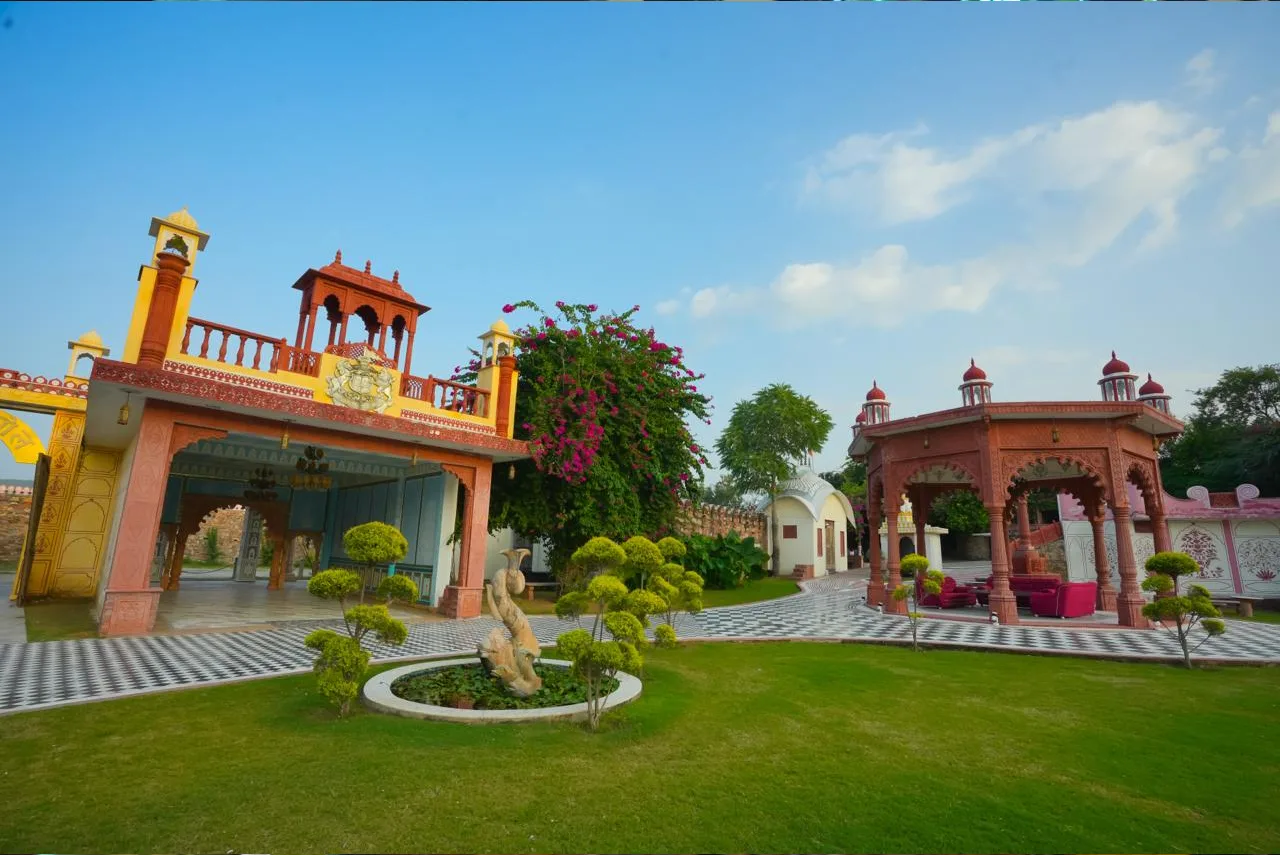
Lohagarh Fort Resort is suitable for groups seeking an environment that combines space, hospitality and a different atmosphere from a typical city meeting. Its heritage-inspired surroundings can make a professional gathering feel special while keeping the focus on meaningful discussion and team comfort.
Start With One Clear Objective
Before choosing activities, a company should decide what it wants the offsite to achieve. Is the goal better communication between departments? Is it to review a completed quarter? Is it to welcome new team members, plan a new project or recognise effort? One clear objective is better than trying to solve every business challenge in a single day.
For example, a growing company may focus the morning on strategy and the afternoon on cross-team problem solving. A smaller team may use the time to discuss values, future direction and roles. The point is not to make every session formal. It is to give employees a reason to understand why they are together.
A well-designed corporate resort in Jaipur allows a team to shift naturally between discussion and informal interaction. This movement is important. People often share their most practical ideas over tea, during a walk or while participating in a group activity—not only when sitting around a conference table.
Keep the Schedule Focused but Human
A common mistake is planning too many presentations. Employees travel to an offsite expecting a change of pace, so a full day of slides can create disappointment. A more effective structure may include a focused opening session, one or two collaborative discussions, a shared meal and sufficient free time.
Teams also benefit from activities that do not feel forced. The purpose is not to make everyone perform or compete. The purpose is to help people interact beyond their usual work groups. Light recreation, outdoor time and shared experiences can encourage this without making anyone uncomfortable.
Lohagarh Fort Resort has a spacious setting and a range of recreation possibilities that can support a balanced group programme. Companies can keep their professional sessions compact, then allow employees time to relax together. That combination helps the offsite feel like a reward as well as a working session.
The Value of Informal Conversation
Employees who rarely work together may suddenly discover common challenges when they spend time outside their daily department structure. A sales executive may understand why a support team needs more information. A designer may learn how customers actually describe a product. A manager may hear feedback that would not come up in a formal review.
This is why meal breaks and unstructured time should be treated as part of the plan, not as empty gaps. Informal conversation creates trust, and trust makes future collaboration easier. A team does not need to become best friends to work well together, but it does need enough understanding to communicate respectfully.
For organisations arranging an annual gathering, a premium resort in Jaipur can offer a more memorable backdrop than a standard banquet hall. The experience feels different from the office, which helps employees associate the day with shared progress rather than routine pressure.
How to Make the Learning Continue After the Offsite
An offsite should not end when everyone returns home. Before leaving, the team should identify three to five practical actions that will continue in the coming weeks. These may be simple: a better reporting system, a weekly cross-team call, clearer project ownership or a process that removes repeated delays.
A short follow-up message after the event can summarise the decisions made. This gives the offsite real value and shows employees that their contribution was heard. Without follow-up, even a well-organised day can become only a pleasant memory.
The best corporate offsites do not try to create instant transformation. They create a pause, improve understanding and give teams a clearer direction. A comfortable location, useful agenda and time to connect can make that pause genuinely worthwhile.
FAQs
Q.1. Why should a company hold a corporate offsite near Jaipur?
ANS. A corporate offsite near Jaipur gives employees a break from routine office pressure while keeping travel manageable. Lohagarh Fort Resort can provide a more open setting for planning, discussion and team interaction. This change of environment often helps people communicate more honestly and approach company challenges with renewed attention.
Q.2. How long should a Jaipur corporate offsite be?
ANS. The right duration depends on the team’s purpose and travel requirements. Lohagarh Fort Resort can suit a focused day programme or a more relaxed overnight gathering. A single well-planned day can be effective when the agenda is clear, while an overnight format allows more space for informal conversation and team bonding.
Q.3. What activities work best for a Jaipur corporate offsite?
ANS. The most useful activities are those that encourage cooperation without making people feel forced to participate. Lohagarh Fort Resort can support a mix of structured discussions, small-group challenges, shared meals and relaxed outdoor time. The best programme should fit the team’s comfort level, company culture and main business objective.
Q.4. Can a Jaipur resort offsite include both work and recreation?
ANS. Yes, combining work and recreation is often the most effective format. Lohagarh Fort Resort gives companies a setting where formal sessions can be followed by relaxed team time. This helps employees remain engaged without feeling that the offsite is simply another long office meeting held in a different location.
Q.5. How can a Jaipur corporate offsite create long-term value?
ANS. Lohagarh Fort Resort can host the conversation, but the company should create follow-up actions after the event. Teams should leave with a few practical commitments, clear ownership and a review date. When employees see their ideas being implemented, the offsite becomes a productive part of business planning rather than a one-time outing.
Final Thought
A successful offsite does not need an overloaded agenda or artificial team-building exercises. It needs a clear purpose, a comfortable environment and enough room for people to think beyond their everyday roles. That is when a team gathering becomes genuinely useful.