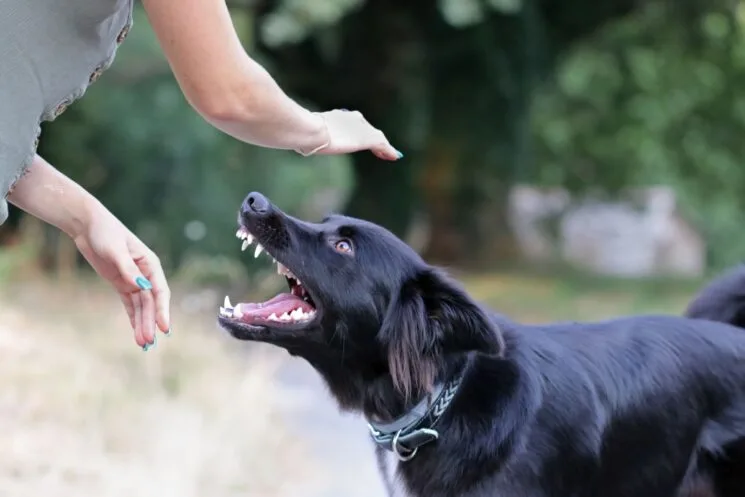
A dog bite can leave someone uncertain about what happens after the incident is reported. Animal control agencies may need to identify the dog, contact its owner, review vaccination information, and determine whether additional public health precautions are necessary.
In Las Vegas, the process can involve animal control officers, healthcare providers, and public health authorities. The steps taken depend on the circumstances of the incident and whether the animal can be located.
Understanding the reporting process helps injured individuals provide accurate information, follow medical instructions, and keep track of important developments.
Who receives a dog bite report in Las Vegas?
The appropriate animal control agency depends on where the incident occurred. The City of Las Vegas, North Las Vegas, Henderson, and unincorporated Clark County have different animal control services.
The Southern Nevada Health District provides rabies prevention information and contact details for animal control agencies serving Las Vegas, Henderson, North Las Vegas, and surrounding Clark County communities.
A person reporting a bite should provide the incident location, approximate time, animal description, and available owner information.
For example, a bite at a neighborhood park may be handled by a different agency than an incident at a residence outside city limits.
If the responsible jurisdiction is unclear, the local animal control office can help identify the appropriate reporting agency.
What information does animal control review first?
After receiving a dog bite report, animal control personnel may gather information about the incident and the animal involved.
An officer may ask where the bite occurred, whether the dog was accompanied by an owner, and what happened immediately before the encounter.
The injured person's account can help establish the sequence of events. Details such as whether the dog was on a leash, behind a fence, or moving freely may provide useful context.
For general background on personal injury matters, Nwogbe Law Group provides information about injury-related incidents and legal claims.
Animal control personnel may also request photographs, witness information, or available medical documentation.
Descriptions should focus on direct observations. If someone did not see how the encounter began, it is more accurate to acknowledge that uncertainty than to speculate.
How do authorities identify the dog and check vaccination records?
Identifying the animal is an important part of the investigation because it helps authorities determine whether the dog can be located and assessed.
Animal control officers may use the owner's contact information, a physical description, identification tags, or other available details.
The dog's rabies vaccination history may also be reviewed. Owners may be asked to provide veterinary records or documentation showing the animal's vaccination status.
A dog without immediately available vaccination records is not automatically infected with rabies. Missing information simply means that authorities may need to investigate further.
The circumstances of the bite, the animal's condition, and the available health history can influence subsequent public health decisions.
People involved in the incident should avoid approaching an unfamiliar dog again simply to obtain identifying information.
What happens during the animal observation period?
Animal observation helps public health authorities assess whether a dog may have been infectious with rabies when the bite occurred.
The Centers for Disease Control and Prevention (CDC) explains that healthy dogs involved in potential rabies exposures should be confined and observed in coordination with public health authorities.
The appropriate arrangements depend on the animal's condition and instructions from the responsible agency.
During observation, the animal's health and behavior may be monitored for signs of illness. If concerning symptoms appear, veterinary and public health professionals can determine whether additional assessment is necessary.
Observation does not replace medical care for the person who was bitten.
A healthcare professional can evaluate the wound, assess infection risks, review tetanus protection, and determine whether rabies-related preventive treatment should be considered.
The injured person should follow medical guidance rather than waiting for the animal control investigation to finish.
What if the dog cannot be located after the incident?
Some dog bite incidents involve an animal that runs away before anyone identifies its owner.
When this happens, animal control personnel may ask for additional details about the dog's appearance and last known location.
Useful information can include the animal's approximate size, coat color, distinctive markings, collar, and direction of travel.
Witnesses may also be able to describe where the animal came from or whether someone appeared to be accompanying it.
The absence of an identified animal can complicate a rabies exposure assessment because authorities may not be able to evaluate its health.
Anyone bitten by an unidentified dog should promptly discuss the circumstances with a healthcare professional or public health authority.
The need for preventive treatment depends on a medical and public health assessment, not simply on whether the dog was unfamiliar.
How can someone keep track of the report and medical follow-up?
A dog bite report may involve several conversations with different agencies and healthcare providers.
A simple recordkeeping system can help organize the information.
Useful records include:
- The animal control report or reference number, if provided.
- The date and location of the incident.
- Contact information for the responding agency.
- Medical visit summaries and treatment instructions.
- Photographs of the injury taken during recovery.
- Notes about follow-up communications.
The records should distinguish confirmed information from details that remain uncertain.
Animal control investigations primarily address animal-related and public health concerns. Separate questions about injuries and potential legal claims may arise afterward.
For additional context, the firm's page covering injuries resulting from dog attacks describes injury-related issues associated with these incidents.
Keeping documents organized makes it easier to review medical instructions, respond to agency requests, and identify information that still needs clarification.
What happens after animal control completes its review?
The outcome of an animal control investigation depends on the circumstances of the incident, the dog's health, and the information available to the responsible agency.
Authorities may communicate their findings, provide additional public health instructions, or explain whether further follow-up is necessary.
The completion of an animal control review does not automatically resolve medical concerns or determine responsibility for an injury.
People affected by a dog bite should continue following healthcare instructions and retain relevant records.
Accurate reporting, cooperation with public health personnel, and organized documentation help maintain a clear account of the incident and its aftermath.