
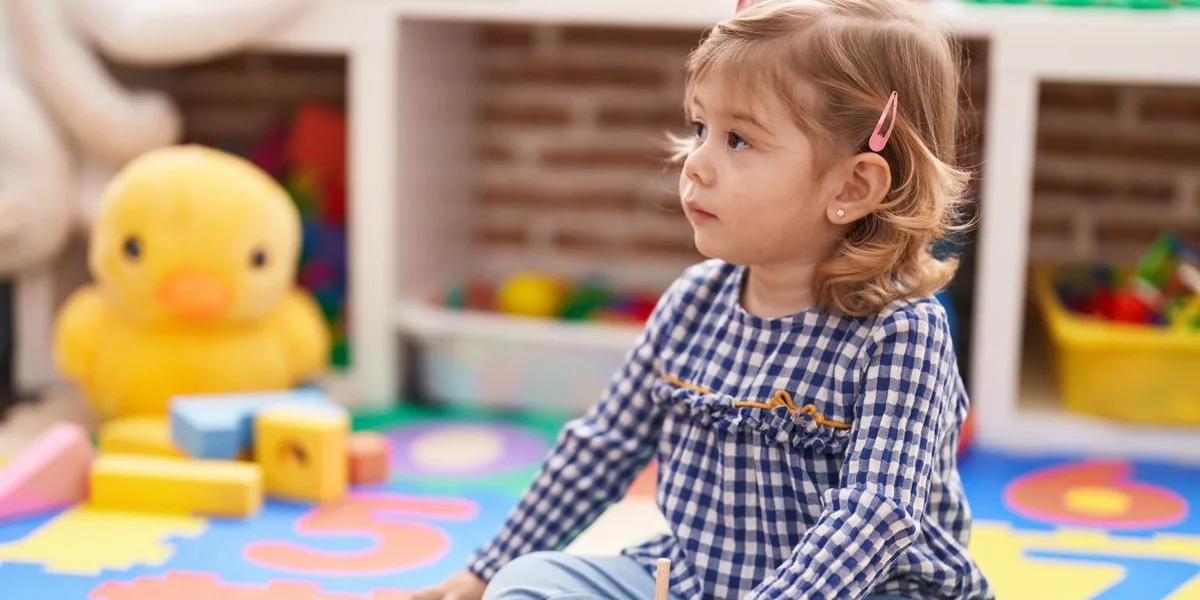
Parents searching for a full-day preschool in Portage Park, Chicago or exploring childcare in Portage Park, Chicago often spend a great deal of time comparing programs, schedules, and educational philosophies. They review websites, read testimonials, ask questions during tours, and try to determine which environment feels like the best fit for their child.
One challenge is that many preschool descriptions sound remarkably similar. Nearly every program promises learning, development, social interaction, and school readiness. While those goals are important, they do not always help parents understand what their child’s day will actually look and feel like.
The reality is that a child’s daily experience often tells a far more meaningful story than a list of program features. The rhythm of the day, the quality of interactions, the balance between structure and exploration, and the opportunities children have to participate all contribute to how effectively a preschool environment supports development.
When parents look beyond marketing language and focus on the everyday experience, they often gain a clearer picture of what truly matters.
A Strong Day Usually Starts With a Smooth Arrival
The first few minutes of the day can set the tone for everything that follows.
Young children thrive on predictability, which is why successful preschool environments often place significant emphasis on creating calm and welcoming arrivals. Children need time to transition from home routines into a learning environment filled with peers, activities, and expectations.
Some children arrive ready to jump into activities immediately. Others need a few extra moments to settle in.
A thoughtful preschool environment recognizes that transitions are developmental experiences rather than simple logistical moments. Helping children move comfortably between settings encourages adaptability and emotional security.
Those skills become increasingly important as children grow.
Learning Happens Long Before Formal Instruction Begins
Many adults associate learning with structured lessons and teacher-led activities. While these experiences certainly play a role, some of the most valuable learning occurs during moments that appear ordinary.
Children learn while:
- Greeting friends
- Choosing activities
- Sharing materials
- Solving disagreements
- Asking questions
- Exploring new ideas
These interactions help strengthen communication, social awareness, and problem-solving abilities.
Educational progress often develops through repetition. The more opportunities children have to engage with others, make decisions, and navigate experiences independently, the more comfortable they become participating in learning environments.
This process rarely feels like formal education to a child, yet it can be incredibly valuable.
The Best Preschool Days Balance Structure and Flexibility
Parents often encounter competing philosophies regarding early childhood education. Some programs emphasize structure, while others prioritize free exploration.
In practice, children tend to benefit from a balance between the two.
Structure creates predictability and helps children understand expectations. Flexibility allows room for curiosity, creativity, and individual interests.
A well-balanced preschool day may include:
- Group learning experiences
- Creative projects
- Independent exploration
- Outdoor activities
- Storytime
- Collaborative play
This variety helps maintain engagement while supporting multiple areas of development.
Children learn differently, and balanced environments create opportunities for different strengths to emerge throughout the day.
Why Play Continues to Matter
In conversations about school readiness, play is sometimes treated as a secondary activity. Developmental experts continue to argue the opposite.
Play provides opportunities for children to experiment, negotiate, communicate, and solve problems in ways that feel natural and engaging.
As educator and television host Fred Rogers famously observed:
“Play is often talked about as if it were a relief from serious learning. But for children, play is serious learning.”
This perspective remains highly relevant today.
Through play, children often learn how to:
- Collaborate with peers
- Express creativity
- Navigate social situations
- Develop language skills
- Build confidence
- Explore new concepts
Many of these experiences support future academic success while preserving the joy and curiosity that make childhood unique.
Communication Is Built Through Hundreds of Small Conversations
Parents frequently focus on communication milestones such as vocabulary growth or clearer speech. While these developments are important, communication extends beyond language alone.
Children strengthen communication through everyday interactions.
They learn how to:
- Express ideas
- Ask for help
- Listen actively
- Participate in discussions
- Resolve misunderstandings
- Share experiences
These opportunities occur naturally throughout the preschool day.
A conversation during a group activity may help a child practice self-expression. A disagreement during play may teach negotiation. A question asked during storytime may encourage curiosity and engagement.
Communication develops gradually through participation rather than memorization.
Social Growth Rarely Happens on a Schedule
One of the most interesting aspects of early childhood development is that some of the most important lessons cannot be taught directly.
Friendship is a good example.
Educators can encourage cooperation and respectful behavior, but genuine social growth often emerges through experience. Children learn by interacting with others, observing different personalities, and navigating everyday situations.
They discover how to:
- Join group activities
- Share attention
- Respect boundaries
- Handle disagreements
- Offer support
- Build relationships
These experiences help children develop social confidence while preparing them for future classroom environments.
Many parents are surprised by how much growth occurs simply through regular interaction with peers.
Why Routine Can Be Comforting Rather Than Restrictive
Adults sometimes view routines as repetitive, but children often find them reassuring.
Predictable schedules help children understand what comes next, reducing uncertainty and creating a sense of stability. When children feel secure, they are often more willing to participate, explore, and engage with new experiences.
Routines also help develop important life skills.
Children gradually learn:
- Responsibility
- Independence
- Time awareness
- Self-regulation
- Task completion
These habits support both current development and future educational success.
Far from limiting children, thoughtful routines often provide the foundation that allows them to thrive.
The Preschool Years Are About More Than Kindergarten Preparation
School readiness remains an important goal, but many developmental experts encourage parents to think more broadly.
The strongest preschool experiences help children prepare not only for kindergarten but also for the many challenges and opportunities they will encounter throughout life.
Children benefit when they learn how to:
- Adapt to change
- Communicate effectively
- Work with others
- Solve problems
- Manage emotions
- Approach learning with curiosity
These skills remain valuable regardless of academic pathways or future career choices.
The ability to learn, collaborate, and adapt may ultimately matter as much as any specific academic milestone.
Looking Beyond the Brochure
Families searching for a full-day preschool in Portage Park, Chicago or evaluating childcare in Portage Park, Chicago will inevitably encounter a wide range of program descriptions, educational philosophies, and promises.
While those details can be helpful, the most important question is often surprisingly simple: What will my child’s daily experience actually be like?
The answer can reveal far more than a list of features ever could.
A great preschool day is rarely defined by a single lesson, activity, or achievement. Instead, it is shaped by meaningful interactions, thoughtful guidance, opportunities for exploration, and an environment where children feel comfortable learning and growing.
Those everyday experiences may appear ordinary in the moment. Yet they are often the very experiences that help children build confidence, develop relationships, strengthen communication skills, and establish the foundation for future success.
And that is what many parents ultimately hope to find.