Why So Many People Miss It
Most people with sleep apnea have no idea. Think about it, you’re asleep when it happens. Who’s going to notice? Adults go five, ten, even fifteen years blaming the exhaustion on work or kids or just getting older. I hear the same line in the office all the time. “I’ve always been a bad sleeper.”
Maybe. But a lot of the time it’s physical. Something in the airway is closing up while you sleep, over and over, and your body keeps yanking you out of deep sleep to reopen it. Leave that alone for years and it wears on your heart, your mood, your memory. I’m not trying to freak anyone out. I’m just saying catching it early makes sleep apnea treatment a lot easier, and that’s why this post exists.
The Snoring Everyone Else Hears
Okay, the obvious one first. Snoring. And I don’t mean a soft rumble after a long day. I mean the kind that shakes the bed and sends your wife to the guest room by 2 a.m.
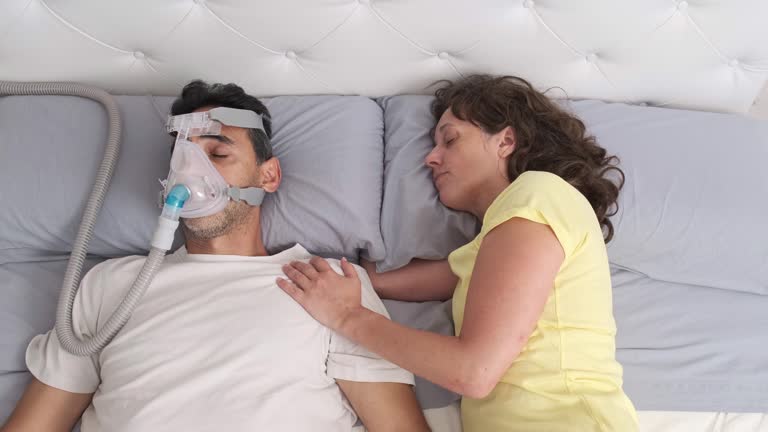
Now, plenty of people snore and are totally fine. So snoring alone doesn’t mean much. What worries me is loud, nightly snoring that goes quiet for a few seconds, then comes back with a snort or a gasp. That quiet stretch is the problem. The airway shut, oxygen dropped, and your brain had to wake you just enough to fix it. You won’t remember. Your partner will.
If anybody has ever told you “you stop breathing sometimes,” don’t laugh it off. Get it looked at.
Waking Up Gasping, or Just Feeling Rough
Some people wake themselves up, sitting straight up in bed with a pounding heart, feeling like they were underwater. Scary stuff. It’s a pretty classic sign of obstructive sleep apnea, which is the most common form in adults.
The quieter clues get missed more. Dry mouth in the morning, sore throat, a headache that’s there when you open your eyes and gone by lunch. Getting up to pee two or three times a night too, which people blame on their bladder. Often it’s the apnea, since the pressure shifts in your chest mess with the hormones that handle fluid. Weird, but true.
One bad morning means nothing. Every morning, though? That’s a pattern.
Dragging Through the Day
This is what actually gets people to book an appointment. The daytime sleepiness.
I don’t mean “I could use a nap.” I mean nearly dozing off at a red light. You put in eight hours in bed and wake up feeling like you got four. You crash at 2 p.m. like clockwork. You nod off in meetings or in front of the TV or at the kitchen table, and it’s embarrassing so you don’t bring it up. Then add the fog, the short fuse, forgetting what you were about to say. Even a simple email feels like homework.
People assume it’s about hours. It’s really about quality. Every time the airway collapses your sleep gets chopped up, sometimes a hundred times a night, and you never reach the deep stages where your body does its repair work. So you can lie there all night and still wake up wrecked.
It Messes With Your Head Too
Sleep apnea isn’t just an energy thing. Depression and anxiety are more common in people who have it untreated, and I’ve had patients on mood medication for years before anyone asked how they were breathing at night.
Watch for a short temper. Losing words mid-sentence. Walking into a room and forgetting why. Less interest in sex, which nobody loves talking about, but it’s a real symptom and I’d rather you hear it from me. Guys especially chalk this stuff up to stress or age.
Sometimes it is stress. But sometimes your brain is just starved for oxygen and rest, night after night. Fix the sleep and a surprising amount of that lifts.
Who’s More Likely to Have It
Anyone can get sleep apnea, even skinny people, even kids. Still, some things raise the odds. A thicker neck, extra weight, being male, being over forty, family history. Alcohol close to bedtime, since it relaxes the throat muscles even more. And then the anatomy stuff, like big tonsils, a narrow airway, a deviated septum, a nose that’s always stuffed up.
That last group is why a South Austin ENT can be a smart first stop. We look at the actual structure. Nose, soft palate, tongue base, tonsils, all of it, trying to figure out where the airway gives out. Sometimes it’s the nose. Sometimes the throat. Sometimes both, honestly. And where it’s happening decides which sleep apnea treatment will really work for you.
What Untreated Apnea Does Over Time
I don’t like lecturing, but this part matters. Untreated sleep apnea is tied to high blood pressure, heart disease, irregular heart rhythms, stroke, type 2 diabetes, and acid reflux. Each time your breathing stops your blood pressure jumps and your body kicks into a little stress response. Now do that hundreds of times a night for years. Something gives eventually.
Drowsy driving gets overlooked too. If you’re that tired you’re a danger on the road, and not just to yourself.
Here’s the good part though. A lot of this improves once the apnea is under control. Blood pressure often comes down. Energy comes back. A few patients have told me it felt like somebody flipped a switch, and I believe them.
Getting Tested and Sorting Out Sleep Apnea Treatment
So what do you do? See a doctor. Don’t just download a sleep app and call it good. A real evaluation means a history, a look at your nose and throat, and usually a sleep study. A lot of those can be done at home now, which beats a night in a lab with wires glued to your head.
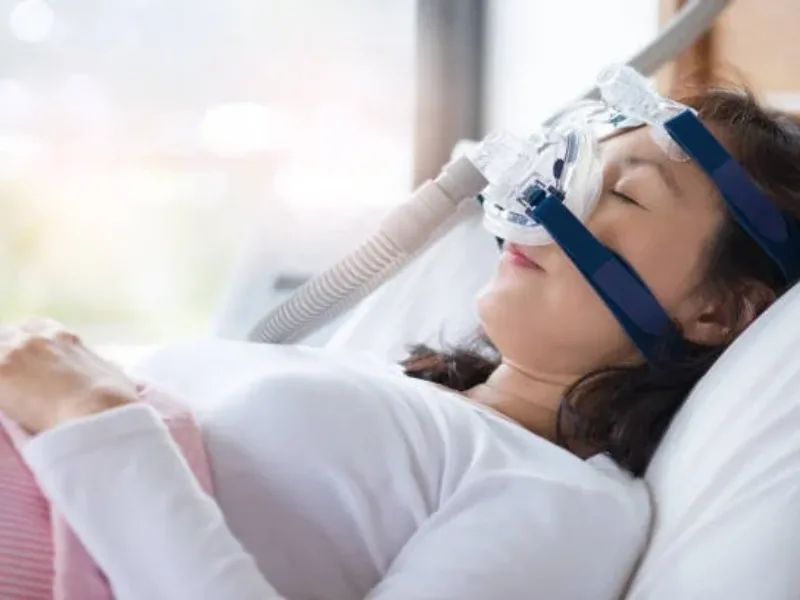
After a diagnosis, treatment depends on how severe it is and what’s causing it. CPAP is the usual starting point and it works great if you actually use it. Plenty of people can’t stand the mask, and fair enough. There are other routes. Oral appliances that move the jaw forward, sleeping position changes, losing weight, nasal procedures, surgery when something’s physically blocking the airway. For some people who can’t tolerate CPAP there’s even a nerve stimulator that keeps the tongue from falling back.
A good South Austin ENT will go through the options with you and won’t push one answer on everybody. Your airway isn’t anyone else’s airway.
Conclusion
If you snore like a freight train, wake up exhausted, or your partner says you stop breathing at night, don’t sit on it. These aren’t quirks you’re stuck with. Sleep apnea is common and very treatable, and most people feel noticeably better within a few weeks of starting the right sleep apnea treatment. Get evaluated. Get the sleep study. Your heart, your mood, and your partner’s sleep will all be better for it.
FAQs
What are the first warning signs of sleep apnea in adults?
Loud snoring, gasping or choking at night, and heavy tiredness during the day are usually the first things people notice. Morning headaches and a dry mouth show up a lot too.
Can you have sleep apnea without snoring?
Yes, it’s just less common. Some people barely snore at all. Daytime exhaustion or a partner seeing you stop breathing can still point to it.
What is the best sleep apnea treatment?
Depends on the person. CPAP is the most common first choice, but oral appliances, nasal or throat procedures, weight loss, and nerve stimulation might fit better for some.
When should I see a South Austin ENT about sleep apnea?
If you snore loudly, feel wiped out after a full night in bed, or can’t stand your CPAP, go. An ENT can find where your airway is blocked and go over your options.
Is untreated sleep apnea dangerous?
It can be. It raises the risk of high blood pressure, heart disease, stroke, diabetes, and drowsy driving crashes.
How is sleep apnea diagnosed?
Usually a sleep study, at home or in a lab, plus an exam of your nose, mouth, and throat.
Can sleep apnea go away on its own?
Rarely. Weight loss helps some people, but most cases need ongoing management. Waiting around for it to disappear isn’t a plan.