High blood pressure is a common health concern that can affect people at different ages. One of the biggest challenges is that it often develops without clear warning signs. A person may feel completely normal even when their blood pressure is higher than it should be. This is why regular blood pressure checks are important.
When symptoms do appear, they may be mild at first or may happen when blood pressure becomes very high. Knowing the possible high blood pressure symptoms can help you understand when it is important to check your blood pressure and seek medical advice.
What Is High Blood Pressure?
Blood pressure is the force of blood pushing against the walls of the blood vessels as the heart pumps blood around the body. When this pressure stays too high over time, it is called high blood pressure or hypertension.
According to the American Heart Association, blood pressure readings of 130/80 mm Hg or higher fall into the high blood pressure range. However, a diagnosis should be made by a healthcare professional using repeated readings rather than one reading alone.
The important thing to remember is that high blood pressure does not always cause noticeable high blood pressure symptoms. Many people only find out they have it during a routine check-up.
Common High Blood Pressure Symptoms
Although most people have no symptoms, very high blood pressure can sometimes cause physical changes. Possible signs include:
1. Headache
A severe or unusual headache can occur when blood pressure becomes extremely high. Some people may notice headaches more often in the morning.
However, having a headache does not automatically mean that your blood pressure is high. Headaches can have many other causes. If headaches are frequent or unusually severe, checking your blood pressure can be a useful step.
2. Blurred or Changed Vision
Changes in vision can occur when very high blood pressure affects the blood vessels supplying the eyes. You may notice blurred vision, difficulty seeing clearly, or other unusual changes.
Sudden changes in vision should not be ignored, particularly when they occur along with other concerning symptoms.
3. Chest Pain
Chest pain can be a serious warning sign, especially when blood pressure is extremely high. It may occur with other symptoms such as shortness of breath, weakness, or dizziness.
Chest pain should always be taken seriously rather than assumed to be a simple high blood pressure symptom. Seek urgent medical attention if it is severe, sudden, or accompanied by other concerning signs.
4. Shortness of Breath
Some people with very high blood pressure may experience difficulty breathing or shortness of breath. This can be especially concerning when it starts suddenly or occurs along with chest pain.
Breathing problems can have many causes, so they should be assessed by a healthcare professional instead of being linked to blood pressure alone.
5. Dizziness
Dizziness may occur with very high blood pressure, although it is not a reliable way to identify hypertension. Feeling dizzy can also happen because of dehydration, low blood pressure, lack of food, stress, or other health problems.
If dizziness keeps returning, checking your blood pressure and discussing the problem with a healthcare professional is a sensible step.
6. Nausea or Vomiting
Very high blood pressure may sometimes be linked with nausea or vomiting. According to the World Health Organization, these symptoms can occur when blood pressure becomes very high.
If vomiting happens together with severe headache, vision changes, chest pain, confusion, or breathing difficulty, seek urgent medical care.
7. Nosebleeds
Nosebleeds are sometimes mentioned among high blood pressure symptoms, but having a nosebleed does not necessarily mean that you have high blood pressure.
Dry air, nose irritation, injury, and several other factors can cause nosebleeds. However, repeated nosebleeds along with very high blood pressure should be discussed with a healthcare professional.
8. Feeling Confused or Unusually Weak
Extremely high blood pressure can affect the brain and other organs. A person may experience confusion, weakness, numbness, or difficulty speaking.
These are not symptoms to ignore. Sudden weakness, numbness, difficulty speaking, or changes in vision can also be signs of a serious medical emergency.
Why High Blood Pressure Can Be Difficult to Notice
The most important fact about high blood pressure symptoms is that many people do not have any.
A person can have high blood pressure for a long time while continuing their normal daily activities. They may eat, work, exercise, and sleep without noticing anything unusual.
This is one reason high blood pressure is often called a “silent” condition. The World Health Organization also notes that many people with hypertension do not feel symptoms.
Because symptoms are not a reliable way to identify the condition, regular blood pressure checks are important.
How Can You Know If Your Blood Pressure Is High?
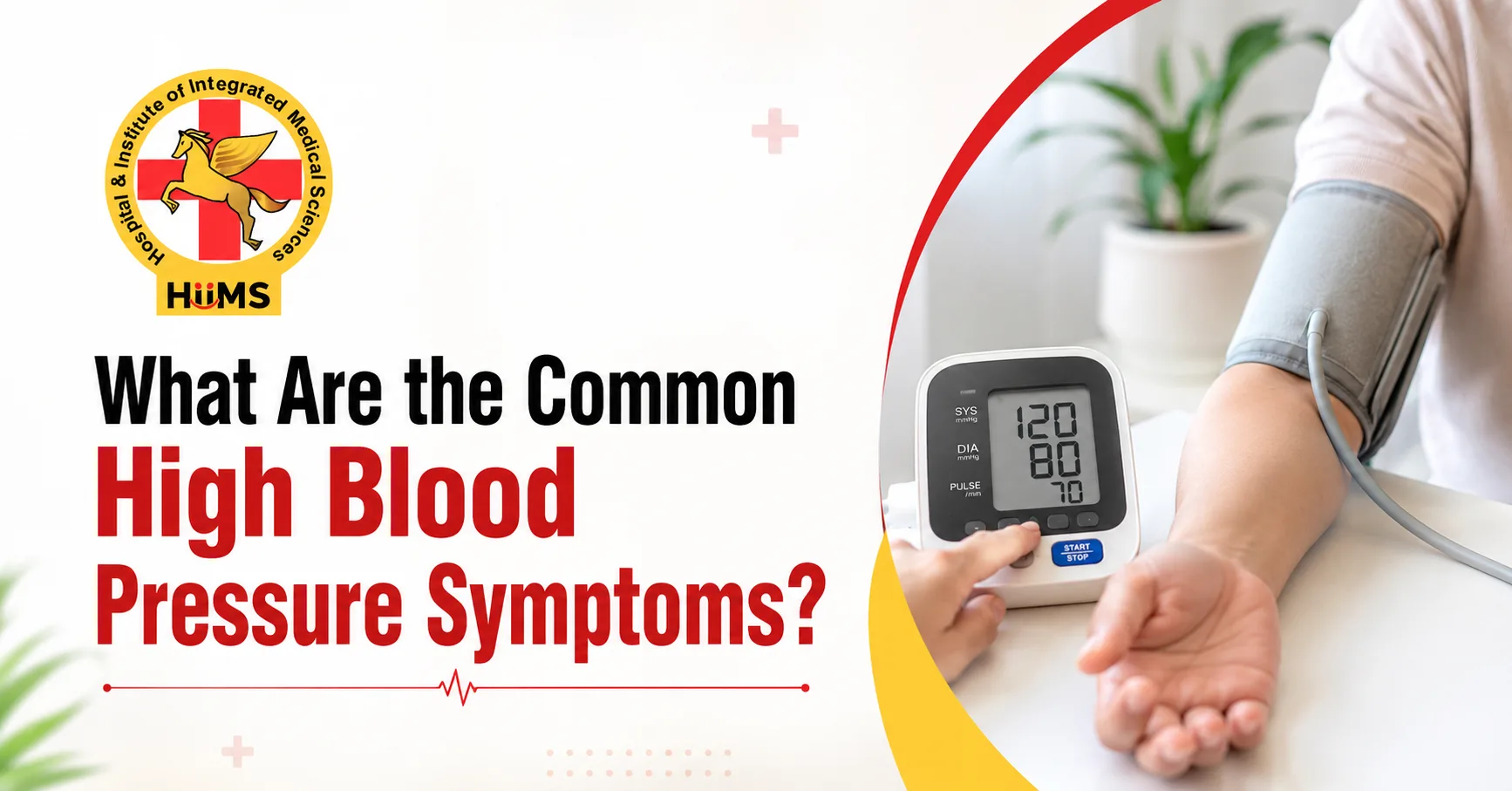
The most reliable way to know your blood pressure is to measure it with a blood pressure monitor.
A single high reading does not always mean that you have ongoing high blood pressure. Your reading can change because of stress, physical activity, caffeine, poor sleep, or other temporary factors.
If you get a higher-than-usual reading, sit quietly and check it again after a short period. Keep a record of your readings and discuss repeated high readings with a healthcare professional.
When Is High Blood Pressure an Emergency?
Very high blood pressure needs immediate attention, especially when it is accompanied by serious symptoms.
If your blood pressure is higher than 180/120 mm Hg, wait at least one minute and check it again. If it remains this high and you have symptoms such as chest pain, shortness of breath, weakness, numbness, vision changes, back pain, or difficulty speaking, seek emergency medical help immediately.
Do not wait for the symptoms to become worse.
How Can You Support Healthy Blood Pressure?
Checking your blood pressure regularly is an important first step. You can also support healthy blood pressure by making simple changes to your daily routine.
These may include:
- Eating more fresh vegetables, fruits, and other balanced foods
- Limiting excess salt in your meals
- Staying physically active
- Maintaining a healthy weight
- Avoiding tobacco
- Limiting alcohol
- Getting enough sleep
- Managing daily stress
- Following your healthcare professional’s advice
The World Health Organization recommends healthy eating, physical activity, avoiding tobacco, limiting harmful alcohol use, and regular blood pressure checks as part of managing blood pressure.
Final Thoughts
Understanding high blood pressure symptoms is useful, but waiting for symptoms is not the best way to detect high blood pressure. Many people have no noticeable signs even when their blood pressure is elevated.
Regular blood pressure checks can help you know what is happening and allow you to take action early. If you notice repeated high readings or concerning symptoms, speak with a qualified healthcare professional.
For information about Ayurveda and overall wellness, you can also visit Jeena Sikho HiiMS.
Disclaimer: This information is for general awareness and should not replace professional medical advice. If you have very high blood pressure, severe symptoms, or a sudden change in your health, seek medical attention promptly.
FAQs
1. What are the common high blood pressure symptoms?
Most people with high blood pressure do not notice any symptoms. When blood pressure becomes very high, possible signs may include severe headache, blurred vision, chest pain, shortness of breath, dizziness, nausea, or unusual weakness.
2. Can high blood pressure cause headaches?
Very high blood pressure may sometimes cause a severe headache. However, headaches can have many causes, so a headache alone does not confirm high blood pressure. Checking your blood pressure is the best way to know.
3. Can high blood pressure cause dizziness?
Dizziness can occur with very high blood pressure, but it is not a specific sign. Dehydration, low blood pressure, stress, and other health problems can also cause dizziness.
4. How can I know if my blood pressure is high?
The most reliable way is to measure your blood pressure using a suitable monitor. Since high blood pressure often has no clear symptoms, regular checks are important, especially if you have risk factors.
5. When should I seek urgent help for high blood pressure?
If your blood pressure is above 180/120 mm Hg and you have chest pain, breathing difficulty, weakness, numbness, vision changes, or trouble speaking, seek emergency medical help immediately.