Mold is one of those household problems that sneaks up on you, developing quickly under the right conditions and posing serious risks to both your property and your health before you even realize it is there. Moisture, warmth, and organic surfaces create the perfect breeding ground for mold colonies, and they spread far more rapidly than most homeowners expect. Knowing how to properly handle a mold infestation is essential for protecting your living space and the well-being of everyone inside it. Taking a systematic, well-informed approach makes all the difference between a problem that gets resolved for good and one that keeps finding its way back.
Recognizing the Signs of a Mold Problem
Before anything else, you need to know what you are dealing with and where it might be hiding. Mold typically appears as dark spots or patches on walls, ceilings, grout lines, or around windows, ranging in color from black and green to white or orange depending on the species. A persistent musty odor is often the first real clue that mold is present, even before it becomes visible to the naked eye. Areas that have experienced recent water damage, leaks, or ongoing humidity are especially vulnerable and deserve a thorough inspection. Pay particular attention to bathrooms, basements, attics, and the spaces beneath sinks, since these are the most common starting points for mold growth.
Prioritizing Safety Before You Begin
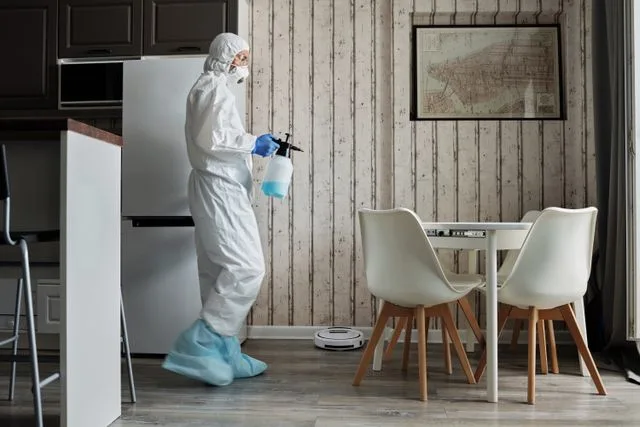
Approaching mold without adequate protection exposes you to spores that can irritate the respiratory system, trigger allergic reactions, or lead to more serious health complications over time. Before getting anywhere near an affected area, equip yourself with an N-95 respirator mask, protective gloves, and safety goggles to minimize direct contact with airborne particles. If the infestation covers more than roughly 10 square feet, the risk level increases considerably, and professional intervention becomes the more responsible choice. Homeowners who need professional mold removal services in Baldwin, NY services can turn to certified specialists equipped with industrial-grade tools and containment protocols that go well beyond what consumer-grade products can achieve. Keep children, elderly individuals, and anyone with existing respiratory conditions well away from affected areas throughout the cleanup process. Proper ventilation also matters, so open windows and position fans to push air outward rather than circulating it through the rest of the home.
Containing the Affected Area
One of the most critical steps in managing a mold infestation is stopping spores from spreading into unaffected parts of your home while remediation is underway. Use heavy-duty plastic sheeting and tape to seal off doorways, vents, and any openings leading to neighboring rooms. Shut off your HVAC system during the process, since running it can carry spores through ductwork and deposit them in areas that were previously unaffected. Positioning a fan in a window of the affected room so it faces outward creates negative pressure, drawing airborne spores outside rather than deeper into the house. This containment step is easy to overlook when tackling mold on your own, but skipping it can turn a manageable problem into a much larger one.
Cleaning and Removing Mold-Affected Materials
For non-porous surfaces like tile, glass, metal, and sealed concrete, mold can often be scrubbed away using a water and detergent mixture, followed by a disinfecting solution. Thorough scrubbing is important, and surfaces must dry completely afterward, since any remaining moisture will invite regrowth. Porous materials are a different matter entirely. Drywall, insulation, carpet, and ceiling tiles absorb mold deeply into their structure, making surface cleaning unreliable and often ineffective in the long run. Materials like these that have sustained mold growth typically need to be removed and disposed of according to local guidelines for mold-contaminated waste. Always bag contaminated materials securely before carrying them through your home to avoid scattering spores along the way.
Addressing the Root Cause of Moisture
Cleaning up visible mold without fixing the underlying moisture problem is, at best, a temporary fix. If the source of excess humidity or water intrusion is not corrected, mold will return to the same spots within weeks or months. Check plumbing for leaks, make sure exterior grading directs water away from your foundation, and examine roofing and flashing for gaps that allow water to work its way inside. Dehumidifiers help in naturally damp spaces like basements, and functional exhaust ventilation in bathrooms and kitchens goes a long way toward keeping moisture levels in check. Sometimes improving airflow and insulation is enough to eliminate the conditions that mold needs to survive. Resolving the moisture issue permanently is what separates a truly successful remediation from a recurring battle.
Knowing When to Call a Professional
Some mold infestations are simply beyond what a homeowner can safely and effectively handle on their own. Large-scale growth, mold concealed within walls or structural components, and repeated infestations despite genuine effort are all strong indicators that a professional assessment is warranted. Certified mold remediation specialists bring industrial-grade equipment, thorough containment protocols, and testing tools that far exceed what is available to the average consumer. They are also trained to identify moisture sources that would not be apparent during a standard visual inspection, which can make a significant difference in preventing future problems.
Conclusion
Handling a mold infestation effectively comes down to awareness, preparation, and a commitment to addressing problems at their source rather than just at the surface. Recognizing early warning signs, taking proper safety precautions, containing the spread, removing affected materials, and eliminating the moisture that fuels growth gives homeowners a solid foundation for managing many situations on their own. For more severe or persistent cases, reaching out to a qualified professional ensures the job is done thoroughly and that your home stays a safe environment for the long term.