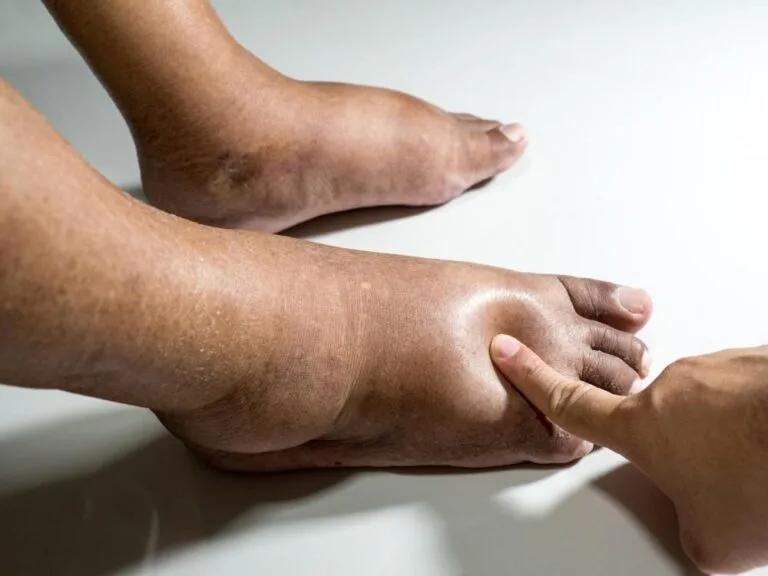
Circulation plays a major role in overall health, yet many people overlook early signs of vascular disease until symptoms become difficult to manage. Leg pain while walking, swollen ankles, visible varicose veins, numbness, skin discoloration, and slow-healing wounds may all point toward an underlying vascular condition. Searching for a vascular surgeon near me is often the first step toward understanding these symptoms and receiving a professional diagnosis.
A vascular specialist focuses on diagnosing and treating disorders affecting arteries, veins, and lymphatic circulation. Modern vascular care combines advanced imaging technology, minimally invasive procedures, and personalized treatment plans that help patients return to their normal routine with minimal disruption. Early intervention not only reduces discomfort but also helps prevent complications that could impact long-term health.
Understanding the Role of an Endovascular Surgeon
An Endovascular surgeon specializes in treating vascular diseases using minimally invasive techniques. Rather than relying solely on traditional open surgery, these specialists perform procedures through tiny incisions using catheters, guidewires, balloons, and stents. This modern approach often results in shorter hospital stays, less postoperative discomfort, and faster recovery.
Endovascular procedures have transformed vascular medicine by providing treatment options for patients suffering from blocked arteries, aneurysms, peripheral arterial disease, diabetic circulation problems, carotid artery narrowing, and several other vascular conditions. Many individuals who previously required extensive surgery may now qualify for minimally invasive treatments that deliver excellent clinical outcomes.
Every patient undergoes a detailed evaluation before treatment begins. Diagnostic ultrasound, CT angiography, MR angiography, and vascular assessments help determine the exact cause of circulation problems. Once the diagnosis is confirmed, the endovascular surgeon develops an individualized treatment strategy designed around the patient's medical history, symptoms, lifestyle, and overall health.
Common Conditions Treated by a Vascular Surgeon
Vascular specialists manage a broad range of conditions affecting blood vessels throughout the body. Varicose veins remain one of the most common reasons patients seek vascular care. These enlarged veins may cause aching, heaviness, itching, swelling, or cosmetic concerns.
Peripheral artery disease develops when plaque narrows arteries supplying blood to the legs. Patients often experience leg pain during walking that improves with rest. Without proper treatment, circulation problems may progress and increase the risk of ulcers or tissue damage.
Deep vein thrombosis involves blood clot formation within deep veins, usually in the legs. Immediate medical evaluation is important because untreated clots may travel to the lungs and become life-threatening.
Carotid artery disease affects arteries supplying blood to the brain and increases the risk of stroke. Early diagnosis allows specialists to recommend appropriate treatment before major complications develop.
Abdominal aortic aneurysms occur when part of the body's largest artery weakens and enlarges. Regular monitoring or minimally invasive repair may be recommended depending on the aneurysm's size and growth.
Diabetic vascular disease frequently affects circulation in the lower limbs. Reduced blood flow combined with nerve damage increases the risk of ulcers, infections, and delayed wound healing. Prompt vascular assessment helps improve circulation and supports better healing outcomes.
Benefits of Searching for a Vascular Surgeon Near Me
Accessing local vascular care offers significant advantages for patients requiring ongoing treatment and follow-up appointments. Vascular conditions often require periodic monitoring, diagnostic imaging, medication adjustments, and post-procedure evaluations. Having a nearby specialist simplifies long-term care while reducing travel-related stress.
Local vascular clinics frequently provide multidisciplinary services that include diagnostic imaging, outpatient procedures, consultation, and rehabilitation. This coordinated approach allows patients to receive multiple services within one healthcare network while maintaining continuity of care.
Patients also benefit from faster appointments, improved communication with healthcare providers, and convenient access during emergencies or unexpected symptom changes.
How Sclerotherapy Helps Treat Problem Veins
Visible spider veins and small varicose veins can cause discomfort, self-consciousness, and cosmetic concerns. Many individuals searching for sclerotherapy treatment near me are looking for a minimally invasive solution that improves both appearance and vein health.
Sclerotherapy is a widely performed procedure involving the injection of a specialized solution directly into damaged veins. The solution irritates the vein lining, causing it to collapse and gradually fade as the body naturally absorbs the treated vessel over time.
The procedure usually requires no surgical incision or general anesthesia. Most patients return to their daily activities shortly after treatment while following simple aftercare instructions provided by their vascular specialist.
Depending on the number and size of veins being treated, several sessions may be recommended to achieve optimal results. Improvements continue to appear over several weeks as treated veins gradually disappear.
Who Can Benefit from Sclerotherapy Treatment Near Me?
Patients experiencing spider veins, small varicose veins, mild leg discomfort, or cosmetic concerns often qualify for sclerotherapy. Before treatment begins, a vascular evaluation determines whether underlying venous insufficiency is contributing to visible veins.
Some patients require ultrasound examination to identify deeper vein problems before cosmetic treatment proceeds. Treating underlying circulation issues first improves long-term results and reduces the likelihood of new veins developing.
Individuals with healthy circulation, realistic expectations, and mild to moderate vein disease generally experience excellent outcomes following sclerotherapy.
Modern Technology in Endovascular Surgery
Technological advancements have dramatically improved vascular care over recent years. Digital imaging systems provide detailed visualization of blood vessels, allowing surgeons to navigate complex anatomy with exceptional precision.
Balloon angioplasty opens narrowed arteries while vascular stents help maintain blood flow after treatment. Drug-coated balloons and specialized stents continue improving long-term success rates for peripheral artery disease.
Catheter-directed thrombolysis enables targeted treatment of blood clots without extensive surgery. Endovascular aneurysm repair offers patients with abdominal aortic aneurysms a minimally invasive alternative to traditional open procedures.
Advanced ultrasound technology also assists with diagnosis, treatment planning, and ongoing monitoring following intervention.
Signs That Should Never Be Ignored
Many vascular conditions develop gradually, making early symptoms easy to dismiss. Persistent leg swelling, aching after prolonged standing, skin discoloration around the ankles, visible bulging veins, cramping during walking, numbness, cold feet, slow-healing wounds, and recurring leg ulcers all warrant medical evaluation.
Sudden swelling accompanied by pain may indicate deep vein thrombosis and requires immediate assessment. Likewise, severe leg pain, sudden loss of circulation, or symptoms suggesting stroke should receive emergency medical attention without delay.
Early diagnosis allows vascular specialists to initiate treatment before permanent damage occurs.
What to Expect During Your Consultation
Patients visiting a vascular clinic typically begin with a detailed discussion about symptoms, medical history, medications, family history, and lifestyle factors that may influence circulation.
A physical examination evaluates pulses, skin condition, visible veins, swelling, and blood flow. Diagnostic ultrasound often serves as the primary imaging tool because it provides detailed information without radiation exposure.
If additional imaging becomes necessary, CT angiography or MR angiography may be recommended for more detailed vascular mapping.
Once diagnostic results become available, the vascular surgeon explains the condition, discusses available treatment options, outlines expected outcomes, and answers patient questions before creating an individualized treatment plan.
Lifestyle Habits That Support Vascular Health
Medical treatment delivers excellent outcomes when combined with healthy daily habits. Maintaining a healthy body weight reduces pressure on leg veins while regular walking improves circulation throughout the lower limbs.
Balanced nutrition rich in vegetables, fruits, whole grains, lean proteins, and healthy fats supports blood vessel health and cardiovascular function. Drinking adequate water also helps maintain healthy circulation.
Avoiding prolonged sitting or standing reduces pressure within leg veins. Compression stockings may be recommended for selected patients to improve blood flow and reduce swelling.
Managing diabetes, high blood pressure, and elevated cholesterol further protects arteries and lowers the risk of vascular complications.
Smoking cessation remains one of the most valuable lifestyle changes for improving circulation because tobacco significantly damages blood vessels and accelerates vascular disease progression.
Personalized Treatment Improves Long-Term Results
No two vascular patients experience identical symptoms or underlying conditions. Personalized treatment plans ensure every individual receives care tailored to their specific diagnosis and health goals.
Some patients benefit from conservative management involving medication, compression therapy, and lifestyle adjustments. Others require minimally invasive procedures performed by an Endovascular surgeon to restore healthy circulation.
Routine follow-up appointments allow specialists to monitor healing, assess circulation, and recommend additional treatment if necessary. This long-term partnership helps reduce recurrence while supporting overall vascular wellness.
Patients who seek care promptly often enjoy improved mobility, reduced discomfort, healthier circulation, and greater confidence in their daily activities. Whether the concern involves visible spider veins, chronic leg pain, arterial blockages, or advanced vascular disease, modern vascular medicine provides numerous treatment options designed to improve quality of life while minimizing recovery time.