Healthy blood circulation plays an important role in overall wellbeing, particularly in the legs, where veins continuously transport blood back toward the heart. When veins become weak or damaged, problems such as varicose veins, spider veins, swelling, heaviness, and discomfort can develop. Modern vascular medicine offers several approaches to assessing and managing these conditions.
For people experiencing persistent vein-related symptoms, consulting a Vascular surgeon in Abu Dhabi can provide professional evaluation and an appropriate treatment plan. Similarly, individuals concerned about visible veins may consider specialised varicose veins treatment Abu Dhabi or spider veins treatment Dubai, depending on their symptoms and location.
Understanding Varicose and Spider Veins
Varicose veins are enlarged, twisted veins that commonly appear on the legs. They can develop when valves inside the veins do not function properly, allowing blood to flow backward and accumulate within the veins. Over time, this increased pressure can cause veins to become enlarged and more noticeable.
Spider veins are smaller, web-like blood vessels that often appear close to the surface of the skin. They may be red, blue, or purple and frequently occur on the legs or face. Unlike some varicose veins, spider veins are often primarily a cosmetic concern, although their presence can sometimes occur alongside other venous problems.
The appearance of visible veins does not always indicate the severity of an underlying condition. A professional assessment can help determine whether treatment is appropriate and which approach may be most suitable.
When to Consult a Vascular Specialist
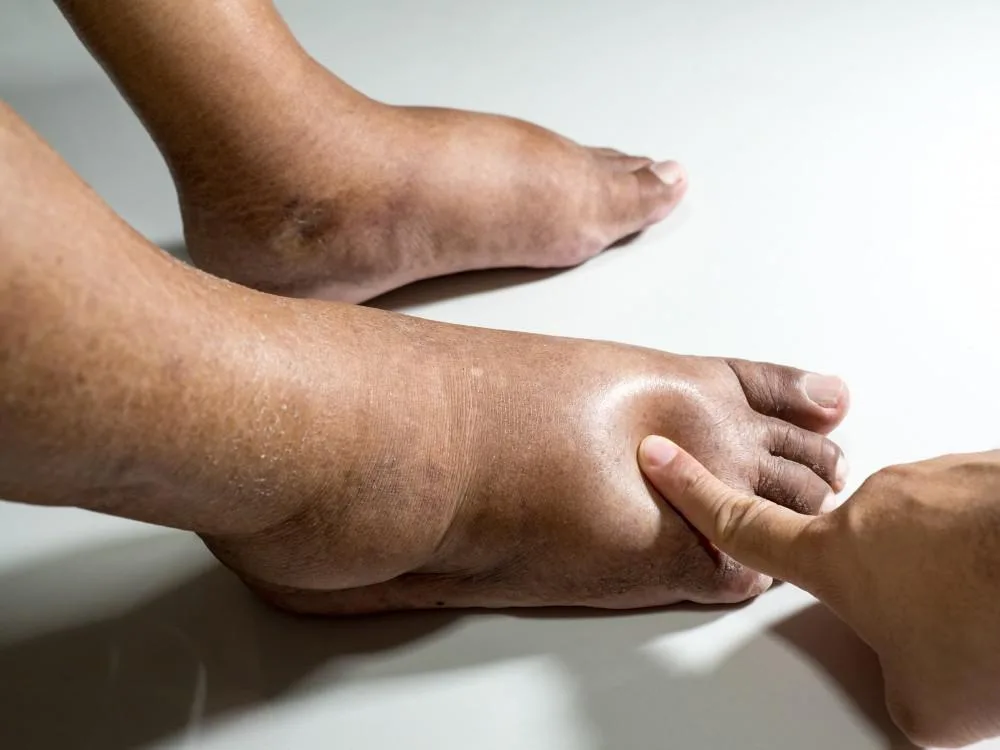
Visible veins may be harmless, but symptoms such as persistent leg pain, swelling, aching, heaviness, itching, or skin changes should receive professional attention. A vascular specialist can assess circulation and determine whether an underlying venous disorder is contributing to the symptoms.
A Vascular surgeon in Abu Dhabi can evaluate the condition using a combination of medical history, physical examination, and diagnostic imaging when necessary. Duplex ultrasound is commonly used to examine blood flow and identify problems involving the veins and their valves.
Early assessment can be valuable because venous conditions may change gradually. Addressing symptoms at an appropriate stage may help prevent them from becoming more troublesome.
Varicose Veins Treatment in Abu Dhabi
The most suitable varicose veins treatment Abu Dhabi depends on factors such as the size and location of the affected veins, symptoms, circulation, medical history, and individual treatment goals.
For mild cases, healthcare professionals may recommend lifestyle measures such as regular physical activity, maintaining a healthy weight, avoiding prolonged periods of sitting or standing, and other measures designed to support healthy circulation. Compression therapy may also be considered for selected patients.
When intervention is appropriate, modern vascular care can include minimally invasive procedures. Endovenous techniques may use heat or other methods to close problematic veins so that blood can be redirected through healthier vessels. In some cases, sclerotherapy or other procedures may be considered depending on the type and size of the veins.
Treatment selection should always follow a professional vascular assessment rather than being based solely on appearance. A specialist can explain the expected benefits, possible risks, recovery requirements, and whether additional monitoring is needed.
Spider Veins Treatment in Dubai
For individuals concerned about visible superficial veins, spider veins treatment Dubai services can provide several options depending on the location, appearance, and underlying vascular health.
Sclerotherapy is one commonly used approach for suitable spider veins. During this treatment, a specialised solution is introduced into the targeted vein, causing it to close and gradually fade. The technique may be appropriate for certain small veins, although suitability varies from person to person.
Laser-based treatments may also be considered for selected superficial vessels, particularly when their size or location makes them suitable for this approach. The choice between treatment methods depends on factors such as skin type, vein characteristics, medical history, and the specialist's assessment.
Because spider veins can sometimes coexist with larger venous problems, an evaluation may be useful before purely cosmetic treatment. Treating an underlying venous issue first may be recommended in some circumstances.
What Happens During a Vascular Assessment?
A vascular consultation generally begins with a discussion about symptoms, medical history, lifestyle factors, and when the vein problems first appeared. The specialist may examine the affected areas while assessing swelling, skin changes, and the appearance of the veins.
If additional information is required, ultrasound imaging can provide a detailed assessment of blood flow and vein function. This information helps the specialist understand whether the problem is superficial or associated with deeper venous circulation.
Once the assessment is complete, the healthcare professional can discuss suitable management options. Some patients may require monitoring and lifestyle adjustments, while others may benefit from an interventional procedure.
Supporting Healthy Veins
Professional treatment is only one part of maintaining good vascular health. Regular movement can encourage healthy circulation, particularly for people whose daily routines involve long periods of sitting or standing. Walking, appropriate exercise, maintaining a healthy body weight, and avoiding unnecessary prolonged inactivity can all support general cardiovascular and circulatory health.
People who already have diagnosed venous conditions should follow the recommendations provided by their healthcare professional. Individual needs vary, so lifestyle changes and compression therapy should be discussed with a qualified clinician when appropriate.
Choosing Appropriate Vascular Care
Choosing a qualified vascular specialist is an important part of receiving appropriate care. Patients should consider the specialist's qualifications, experience with venous conditions, diagnostic facilities, treatment options, and approach to personalised care.
A good consultation should provide clear information about the diagnosis, available treatment choices, expected outcomes, potential complications, and follow-up requirements. Patients should also have an opportunity to discuss their concerns and understand why a particular treatment has been recommended.
Whether the concern involves painful varicose veins or visible spider veins, professional assessment can help ensure that treatment decisions are based on medical needs rather than appearance alone.
Conclusion
Varicose and spider veins are common vascular concerns that can affect both comfort and appearance. Modern vascular medicine provides several assessment and treatment options, ranging from conservative management to minimally invasive procedures. Anyone experiencing persistent symptoms or significant changes in their veins should consider professional medical evaluation.
For patients seeking a Vascular surgeon in Abu Dhabi, specialist assessment can help identify the cause of vein-related symptoms and establish an appropriate care plan. Those considering varicose veins treatment Abu Dhabi or spider veins treatment Dubai can also benefit from discussing their individual condition with a qualified vascular professional. Personalised evaluation remains the foundation of safe and effective vein care.