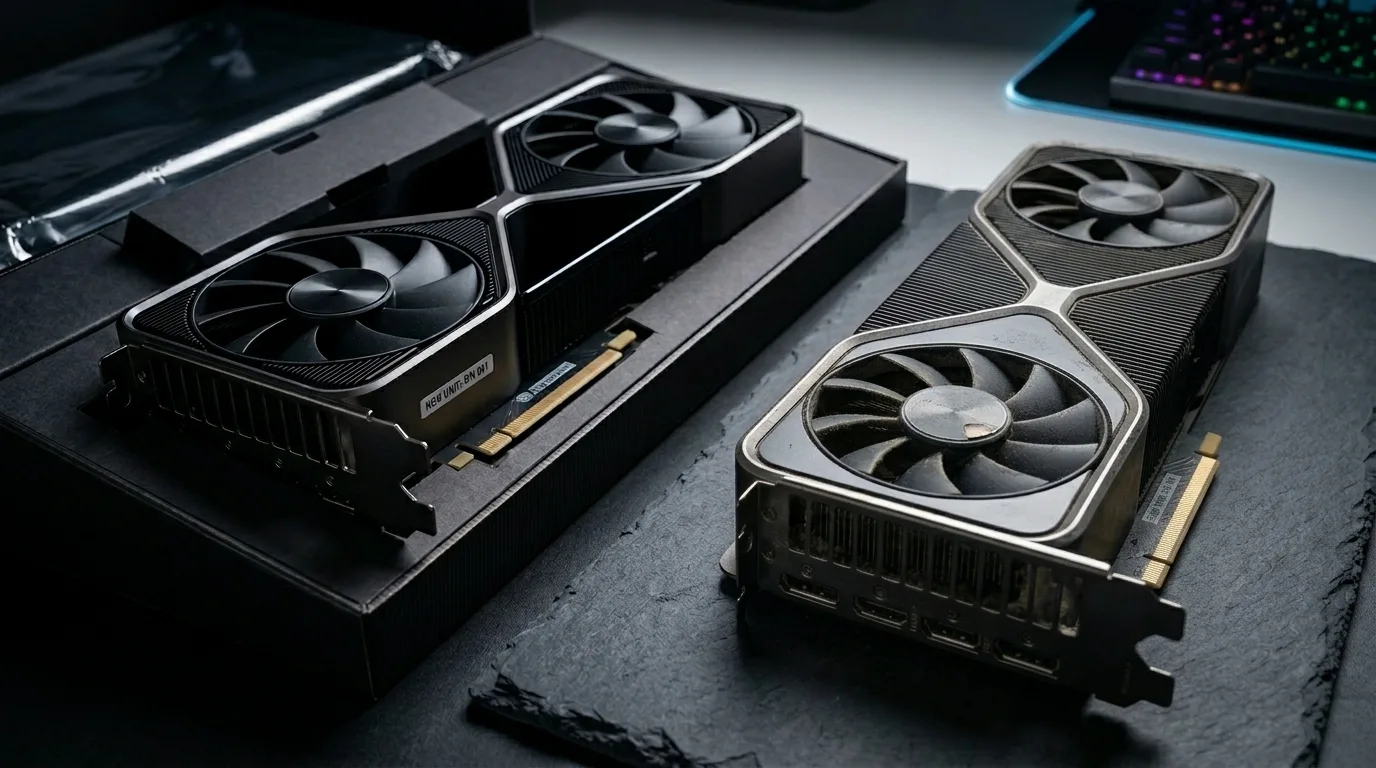
Graphics cards have quietly become one of the most expensive parts of building or upgrading a computer. Whether you're a gamer chasing higher frame rates or a creative professional rendering complex projects, the GPU you choose can make or break your entire experience. With prices fluctuating wildly and new models launching every year, more shoppers are asking the same question: should you go with something brand new, or is a secondhand option just as good? This Used vs New GPU debate has become one of the most searched topics among PC builders, and for good reason, since the answer directly affects your budget and your performance expectations.
Before diving into the details, it's worth noting that the refurbished market has matured significantly over the past few years. Many sellers now offer warranties, stress-test reports, and return policies that rival those of new products. This shift has made it increasingly practical to buy refurbished graphics card options without the anxiety that once surrounded secondhand tech purchases. Still, the decision isn't always straightforward, and understanding the trade offs is essential before you commit your hard earned money. In this article, we'll break down the Used vs New GPU debate from every angle, covering cost, performance, reliability, and long term value, so you can make a confident, informed choice.
Understanding the Used vs New GPU Debate
At its core, the Used vs New GPU question comes down to balancing risk against reward. New graphics cards offer peace of mind, the latest technology, and full manufacturer support. Used or refurbished cards, on the other hand, often deliver significantly more performance per dollar, especially if you're willing to buy a card that's one or two generations old. Neither option is universally better, since the right choice depends heavily on your budget, your performance needs, and how much risk you're comfortable taking on.
Why This Comparison Matters More Than Ever
GPU prices have become notoriously unpredictable, particularly during periods of high demand. As a result, many buyers have started exploring secondhand markets simply because new cards are priced far above their original suggested retail value. This economic reality has pushed the Used vs New GPU conversation from a niche topic into mainstream buying advice, with entire communities now dedicated to helping shoppers find trustworthy refurbished deals.
Cost Differences You Need to Consider
Price is usually the first factor that draws people toward the secondhand market, and it's easy to see why. A refurbished card can often be purchased for a fraction of its original price, sometimes offering forty to sixty percent in savings depending on the model and condition. This dramatic difference is a major driving force behind the Used vs New GPU decision for budget conscious builders.
Hidden Costs to Watch For
That said, lower upfront pricing doesn't always tell the full story. Older used cards may consume more power, run hotter, and require additional cooling solutions, which can add to your overall expenses over time. Furthermore, if a used card fails outside of any warranty period, the cost of replacing it could outweigh the initial savings entirely. Weighing these hidden costs carefully is essential when evaluating whether a deal is genuinely worthwhile.
Performance Expectations: What Changes With Age
Performance is another central piece of the Used vs New GPU puzzle, and it's where expectations often need the most adjustment. While a brand new card guarantees access to the latest architecture, improved efficiency, and support for emerging technologies, a used card from a previous generation can still deliver excellent performance for most everyday tasks and even many modern games at moderate settings.
Benchmarks and Real World Use
Interestingly, benchmark comparisons often reveal that older flagship cards can outperform newer budget models, making generational age less important than the original tier of the card. For example, a previous generation high end GPU might still handle demanding workloads better than a current entry level option. This nuance is exactly why the Used vs New GPU choice should never be based on release date alone, but rather on real world performance data relevant to your specific use case.
Reliability and Warranty Considerations
Reliability concerns are often the biggest hesitation people have when considering a secondhand purchase. After all, a graphics card that has been used heavily, particularly for cryptocurrency mining, may have a shorter remaining lifespan compared to one used moderately for gaming or general computing. This is an important nuance within the Used vs New GPU conversation, since not all used cards carry the same risk level.
How to Reduce the Risk
Fortunately, there are practical ways to minimize uncertainty when buying used. Reputable refurbished sellers typically test cards thoroughly before resale and often include short term warranties ranging from thirty days to a full year. Checking seller reputation, reading return policies carefully, and asking detailed questions about a card's usage history can go a long way toward ensuring you're getting a reliable product rather than a ticking time bomb.
Environmental and Practical Benefits of Buying Used
Beyond cost and performance, there's another angle to the Used vs New GPU discussion that deserves more attention: sustainability. Choosing to buy refurbished graphics card units instead of new ones helps reduce electronic waste, since it extends the usable life of existing hardware rather than contributing to the demand for newly manufactured components. For environmentally conscious buyers, this factor alone can tip the scales toward a secondhand purchase.
A Smarter Use of Resources
Manufacturing new graphics cards requires significant raw materials and energy, from mining rare metals to assembling complex circuit boards. By giving a used card a second life, buyers play a small but meaningful role in reducing the environmental footprint associated with constant hardware turnover. This practical benefit, combined with the financial savings, makes refurbished options appealing for more than just budget reasons alone.
When New Makes More Sense
Despite the many advantages of buying used, there are scenarios where purchasing new is clearly the better path. If you rely on your GPU for professional work where downtime is costly, or if you want guaranteed access to the newest features and full manufacturer support, a new card removes much of the uncertainty involved in the Used vs New GPU decision. Similarly, gamers chasing the absolute highest performance for cutting edge titles will likely find that only the latest generation cards can deliver consistently smooth results at maximum settings.
Balancing Long Term Value
It's also worth considering how long you plan to keep the card. If you tend to upgrade frequently, a used card offers excellent short to medium term value. However, if you're looking for a GPU that will serve you reliably for many years without immediate replacement, investing in something new might offer better peace of mind, even at a higher upfront cost.
Making the Right Choice for Your Needs
Ultimately, there's no universally correct answer to the Used vs New GPU question, since the ideal choice depends entirely on your individual priorities. Budget conscious buyers who are willing to do their research and buy from reputable sellers can find tremendous value in the refurbished market. Meanwhile, those who prioritize warranty coverage, the newest technology, or professional reliability may find that new cards justify their higher price tags.
Before making your final decision, take time to compare specific models, read recent reviews, and check current pricing trends, since the gap between used and new can shift significantly depending on market conditions. Doing this homework ensures you're not just following a general rule, but making a decision tailored specifically to your situation and goals.
Final Thoughts
The Used vs New GPU debate isn't about declaring one option universally superior, but rather about understanding which choice aligns best with your budget, performance needs, and tolerance for risk. Refurbished cards have come a long way, offering genuine value and reliability when purchased thoughtfully from trustworthy sources. At the same time, new cards continue to offer unmatched peace of mind and access to the latest innovations for those willing to pay a premium.
Whichever path you choose, the key lies in doing thorough research, comparing real performance data, and buying from sellers who stand behind their products. With the right approach, both used and new graphics cards can deliver excellent value, ensuring your next upgrade enhances your computing experience without unnecessary regret.