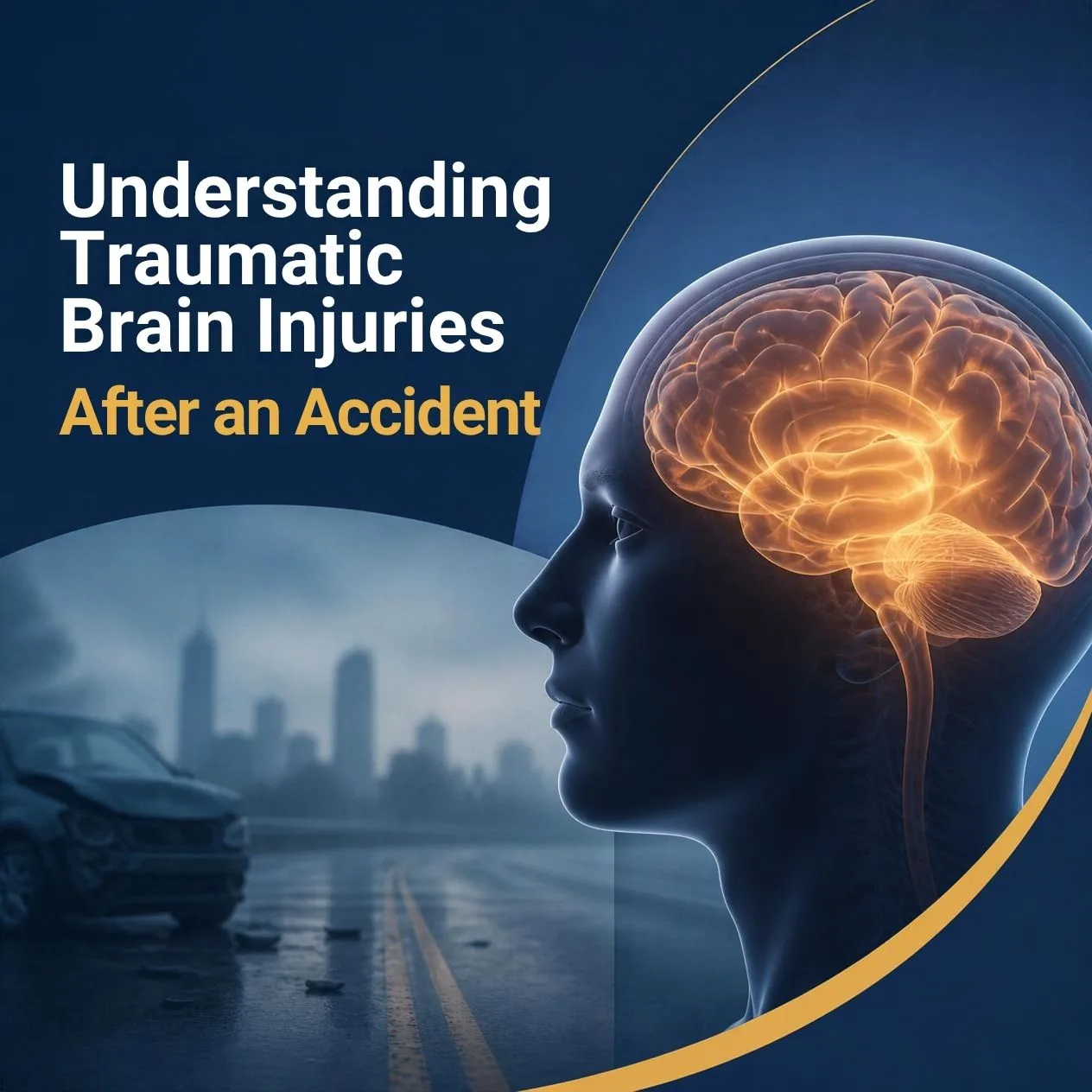
A traumatic brain injury (TBI) can happen when a sudden blow, jolt, or other external force affects the brain. Some injuries may cause temporary symptoms, while moderate or severe TBIs can result in long-term disabilities and significant changes in a person's daily life.
After an accident, symptoms may not always be immediately obvious. Understanding the different types of brain injuries, warning signs, diagnosis, and potential long-term effects can help injured individuals and their families know when to seek appropriate medical and legal assistance.
What Is a Traumatic Brain Injury?
A traumatic brain injury is an injury that affects how the brain functions following an external force. It can occur after a vehicle crash, fall, sports-related incident, or another accident involving a blow or jolt to the head or body. TBIs can range from mild injuries, including concussions, to moderate or severe brain injuries.
A TBI may affect thinking, memory, movement, communication, emotions, behavior, and sleep. The severity and recovery process can vary significantly from one person to another.
For additional background, readers can learn more about traumatic brain injury and its classifications.
Common Causes of Brain Injuries
Brain injuries can result from many different types of accidents. Motor vehicle crashes, falls, sports injuries, and impacts from objects are among the possible causes. Penetrating injuries can also cause traumatic brain injury.
Common accident situations include:
- Car and truck accidents
- Motorcycle accidents
- Pedestrian collisions
- Slip-and-fall accidents
- Workplace accidents
- Sports-related injuries
- Construction accidents
The circumstances surrounding an injury can influence its severity and the type of medical treatment required.
Signs and Symptoms of a Brain Injury
TBI symptoms can vary depending on the severity and location of the injury. Some symptoms may appear immediately, while others may develop or become noticeable hours or days later.
Common symptoms can include:
- Headaches
- Dizziness or balance problems
- Nausea or vomiting
- Fatigue
- Vision problems
- Confusion
- Memory problems
- Difficulty concentrating
- Sleep changes
- Irritability or mood changes
If symptoms become severe or include repeated vomiting, seizures, increasing confusion, loss of consciousness, weakness, slurred speech, or a worsening headache, emergency medical care should be sought.
Concussions
A concussion is generally considered a mild traumatic brain injury. Even though it may be classified as mild, symptoms can affect thinking, memory, sleep, emotions, and physical functioning. Some symptoms may take time to appear.
People who suspect they have suffered a concussion should be evaluated by a healthcare professional rather than assuming that the injury is minor.
Severe Brain Injuries
Moderate and severe TBIs can involve significant neurological problems and may require emergency treatment, hospitalization, surgery, or rehabilitation. Severe injuries can sometimes result in permanent disabilities or long-term care needs.
How Are Brain Injuries Diagnosed?
Healthcare professionals may evaluate a person's symptoms, medical history, neurological function, memory, concentration, and other cognitive abilities. Depending on the circumstances, medical imaging such as CT scans may also be used to identify certain types of brain injury.
Diagnosis can involve more than one assessment. Follow-up examinations may be important because symptoms and functional difficulties can change during recovery.
Keeping medical records, diagnostic results, treatment information, and follow-up documentation can also help create a clear record of the injury and its effects.
What Long-Term Effects Can a Brain Injury Have?
The long-term effects of TBI vary widely. Some people recover relatively quickly, while others may experience continuing physical, cognitive, emotional, or behavioral difficulties. Moderate and severe TBIs can sometimes result in chronic health problems.
Cognitive Changes
A person may experience problems with memory, concentration, attention, decision-making, or other thinking abilities. These changes can affect work, education, relationships, and everyday activities.
Emotional and Behavioral Changes
TBI can also affect emotions and behavior. Possible changes include irritability, anxiety, sadness, frustration, mood swings, or difficulty managing emotions.
These changes may be challenging for both the injured person and their family, particularly when symptoms continue for an extended period.
Long-Term Medical Care
Some people with significant brain injuries require ongoing rehabilitation and medical support. Depending on their needs, rehabilitation may involve physical therapy, occupational therapy, speech therapy, psychological support, or cognitive rehabilitation.
Long-term care can also create substantial financial and practical challenges for families, particularly when an injured person cannot return to their previous employment or requires assistance with daily activities.
When Should You Speak With a Personal Injury Attorney?
If a brain injury occurred because of another person's negligence or an unsafe situation, it may be appropriate to discuss the circumstances with a personal injury attorney. A legal review can help determine what evidence may be relevant and what options may be available under applicable law.
CHH Law handles traumatic brain injury cases involving accidents and medical malpractice and states that its legal team includes attorneys with medical backgrounds who can review complex medical evidence.
Important documentation may include accident reports, medical records, diagnostic results, treatment bills, employment information, and evidence showing how the injury has affected daily life.
The legal rules and deadlines for personal injury claims vary by jurisdiction, so anyone considering a claim should obtain advice specific to their circumstances.
Frequently Asked Questions
What is the most common type of traumatic brain injury?
Concussion is generally considered a mild traumatic brain injury. However, TBIs can range from mild to severe, and the effects can differ significantly between individuals.
Can TBI symptoms appear days after an accident?
Yes. Some concussion and mild TBI symptoms may not appear immediately and can become noticeable hours or days after an injury.
Can a brain injury cause long-term problems?
Yes. Moderate and severe TBIs can lead to chronic health problems, while some people with mild TBI may also experience symptoms that continue for months or longer.
What should I do after a suspected brain injury?
Seek medical evaluation and follow the healthcare provider's instructions. Keep records of symptoms, treatment, appointments, expenses, and other effects of the injury.
When should I contact a brain injury attorney?
If the injury may have resulted from another person's negligence and has caused significant medical, financial, or personal consequences, you may consider speaking with a qualified attorney about your legal options.