Introduction
Knee pain is one of the most common health concerns affecting people of all ages. Whether it develops due to aging, arthritis, sports injuries, or everyday wear and tear, persistent discomfort can make even simple activities feel challenging. Walking, climbing stairs, exercising, or standing for extended periods may become difficult when knee pain interferes with daily life.
Residents of Sewell, NJ, have access to a variety of advanced treatment options designed to reduce pain and improve joint function. Modern orthopedic care focuses on helping patients regain mobility while minimizing downtime and avoiding unnecessary surgical procedures whenever possible.
Common Causes of Knee Pain
The knee is a complex joint that supports much of the body's weight. Over time, repeated stress can gradually damage the cartilage, ligaments, and surrounding tissues. Osteoarthritis is among the leading causes of chronic knee discomfort, particularly in older adults. As the protective cartilage wears away, bones begin to rub together, resulting in pain, stiffness, and inflammation.
Other common causes include ligament injuries, meniscus tears, tendon inflammation, previous fractures, obesity, and repetitive movements associated with work or sports. Early evaluation and appropriate treatment can help prevent symptoms from worsening and improve long-term joint health.
Recognizing the Symptoms
Knee pain can appear in different ways depending on its underlying cause. Some individuals experience a dull ache that gradually becomes more noticeable, while others develop sudden pain after an injury. Swelling, stiffness, reduced flexibility, clicking sounds, instability, and difficulty walking are all common warning signs.
Ignoring these symptoms may lead to further joint damage over time. Seeking medical guidance when pain persists allows healthcare providers to identify the root cause and recommend the most appropriate treatment plan.
Non-Surgical Treatment Approaches
Many patients find relief through conservative treatment methods before considering surgery. Physicians often recommend a combination of physical therapy, weight management, activity modification, anti-inflammatory medications, and strengthening exercises. These approaches can help improve muscle support around the knee while reducing pressure on the affected joint.
Lifestyle changes also play an important role in long-term joint health. Maintaining a healthy weight, engaging in low-impact exercise, and following a personalized rehabilitation program may significantly improve mobility and reduce discomfort.
Advanced Injection Therapy
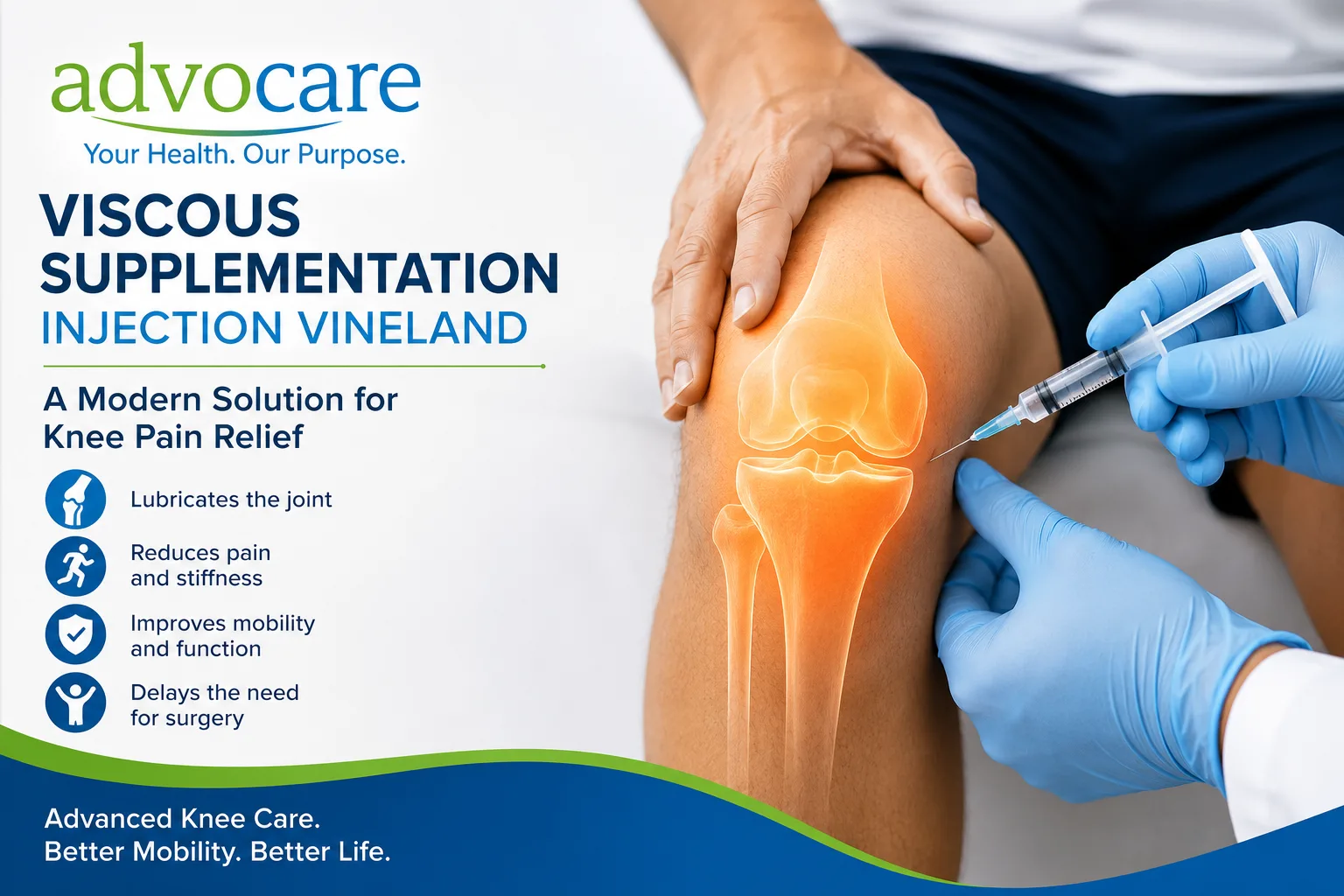
For patients who continue experiencing pain despite conservative care, advanced injection therapies may provide another treatment option. Viscous Supplementation injection Vineland is designed to help improve joint lubrication by restoring some of the cushioning properties that naturally decline with osteoarthritis. This treatment may reduce discomfort, enhance movement, and delay the need for more invasive procedures in appropriate candidates.
Not every patient is an ideal candidate, which is why a thorough medical evaluation is essential before selecting any treatment option.
Benefits of Personalized Orthopedic Care
Every individual's condition is unique. Factors such as age, activity level, medical history, and the severity of joint damage all influence treatment decisions. Personalized orthopedic care focuses on creating a customized plan rather than relying on a one-size-fits-all approach.
Patients often benefit from ongoing monitoring, rehabilitation guidance, and education that empowers them to protect their joints for years to come. A collaborative approach between physician and patient helps maximize treatment outcomes and supports a faster return to everyday activities.
Maintaining Healthy Knees
Preventive care is just as important as treatment. Developing healthy habits can lower the risk of future joint problems while preserving mobility. Consider these simple practices:
- Maintain a healthy body weight to reduce stress on the knees.
- Perform regular stretching and strengthening exercises.
- Wear supportive footwear during daily activities.
- Avoid repetitive high-impact movements whenever possible.
- Warm up before exercise and cool down afterward.
- Address minor injuries early before they become chronic conditions.
Consistency with these habits can make a meaningful difference in long-term joint health.
When to Seek Professional Evaluation
Occasional soreness after physical activity is common, but persistent or worsening knee pain should not be ignored. Individuals experiencing swelling, instability, limited range of motion, or pain that interferes with normal activities should schedule a professional evaluation.
Early diagnosis often leads to more effective treatment, helping patients maintain an active lifestyle while preventing further joint deterioration. Timely care can also identify conditions that may require specialized management before they become more severe.
Final Thoughts
Living with chronic knee pain does not have to limit your quality of life. With today's advanced orthopedic treatments, many individuals can experience improved comfort, increased mobility, and greater confidence in their daily activities. If you are seeking expert orthopedic care in the Sewell, NJ area, Advocare aora Orthopedics is committed to providing compassionate, patient-focused treatment plans tailored to individual needs. Professional guidance and personalized care can help you take the next step toward healthier, more active living.