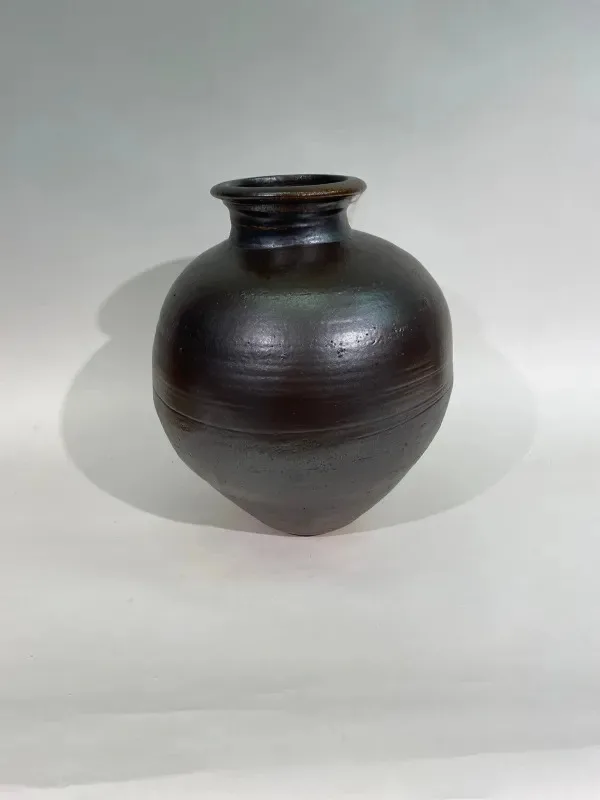
How Useful Forms, Handmade Skill, and Tradition Meet
Mingei pottery proves that handy handmade objects hold deep beauty, real skill, and rich cultural meaning. This unique movement connects strongly with old Japanese folk craft. You learn to love everyday items made with true care. Its huge impact even reached modern Western studio pottery through famous artists like Shoji Hamada and Bernard Leach.
Right here in Vancouver, you can see this history alive. Local makers keep learning from old traditional pottery habits. When you check out the raw clay, shape, making steps, and daily use, you clearly see why Mingei still matters to handmade studio pottery right now.
What Is Mingei Pottery?
Mingei is a neat Japanese way to view simple folk craft. It truly values classic shapes and useful handmade tools. Instead of putting art on a high shelf, it finds pure beauty in normal objects made for your everyday life.
This simple idea really helps you when checking out studio pottery. A basic bowl, warm mug, dinner plate, or serving dish works perfectly while showing off the maker's raw talent and shape style.
So, Mingei pottery makes you look way past just surface looks. How someone makes it, its true purpose, and how it fits your daily routine all matter deeply.
Understanding Mingei in Vancouver
How did these cool ideas actually reach Vancouver? One major path leads right through the Leach and Hamada tradition.
Bernard Leach and Shoji Hamada mixed English and Japanese folk-craft ideas. They worked hard at the famous Leach Pottery in St. Ives. Their fresh style became super popular among many later studio potters everywhere.
Martin Peters learned the ropes at the Leach Pottery from 1974 to 1975. Ron Vallis trained with John Reeve, a former Leach Pottery boss. Vallis also studied with local Vancouver potters Sally Michener and Tam Irving.
This rich past explains Mingei in Vancouver without forcing one single visual style. New makers easily learn, shift, and grow old traditions over time. You will not find one exact style for every local pot.
Materials, Wheels, and Firing for Handmade Pottery
Dunbar Pottery works heavily with stoneware and porcelain. Our pottery is wheel-thrown on classic Leach treadle foot-powered pottery wheels. Our studio even mixes its own clay and fresh glazes.
They bake the pots inside a gas kiln using basic reduction. These useful, hands-on steps form a huge part of the studio’s pottery-making process.
They intend the final result for messy, everyday kitchen use. This matches the big idea that true handmade craft belongs in your normal life. You do not have to hide it away just for fancy home decoration.
Understanding Mingei Today
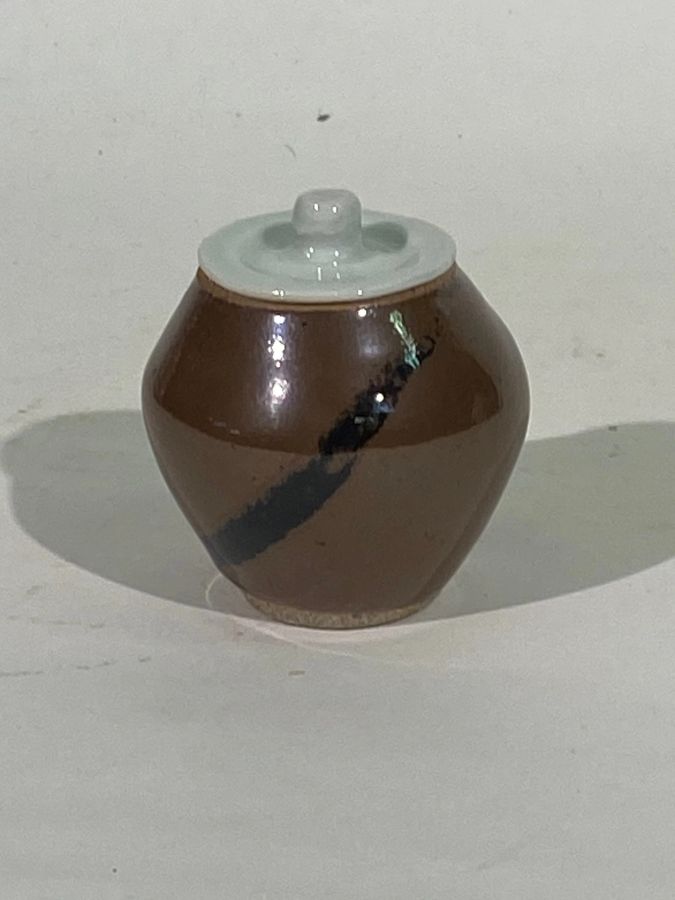
Mingei is best viewed as a living craft philosophy instead of a basic design label. It heavily emphasizes useful tools, older traditional forms, and pure handmade production. This offers you a very fresh way to think about nice ceramics.
The link between Japan, England, and Vancouver highlights how smart craft knowledge travels far. Tough apprenticeships, good teaching, shared workspaces, and daily personal practice pass great ideas across borders and generations.
So, saying Mingei in Vancouver points to a long history of deep influence instead of one visual look. Knowing this cool fact helps you view handmade pottery with much better context today.
Conclusion: Why Mingei Still Has a Place
Mingei pottery perfectly blends daily usefulness with raw handmade skill, old traditional forms, and a deep love for folk craft. Its long journey through classic Japanese and English pottery traditions explains how modern studio ceramics really grew up.
If you want to check out Mingei in Vancouver, always look past the basic label. Think about who crafted the object, how they shaped it, what exact materials they grabbed, how they fired it, and how you will use it.
Dunbar Pottery is a prime Vancouver example of handmade stoneware and porcelain. Classic Leach and Hamada influences plus smart Mingei-informed values shape their style. Go check out the studio’s work and long history to see how old craft ideas fit perfectly into your modern daily life.
Frequently Asked Questions
Q1: What does Mingei mean in pottery?
Mingei describes a Japanese folk-craft approach that values useful handmade objects and traditional forms. In pottery, the idea connects practical function with craftsmanship, simplicity, and the beauty found in everyday objects.
Q2: How did Mingei influence Vancouver pottery?
Mingei in Vancouver can be understood through the wider Leach and Hamada tradition. Their English and Japanese folk-craft connection influenced later studio potters through teaching, apprenticeship, and continued handmade practice.
Q3: Are Mingei objects made only for decoration?
No. Mingei pottery places importance on useful handmade objects. Cups, bowls, plates, and other functional forms can carry craftsmanship and visual character while remaining part of everyday routines.
Q4: What materials are commonly connected with studio pottery?
Studio pottery can use different clay bodies, including stoneware and porcelain. The final character depends on the clay, forming technique, glaze, firing method, and choices made by the individual potter.
Q5: How does Dunbar Pottery connect with Mingei ideas?
Dunbar Pottery makes handmade stoneware and porcelain for everyday kitchen use. Its work reflects Leach and Hamada influences and an approach that values useful forms, traditional craft, and handmade production.