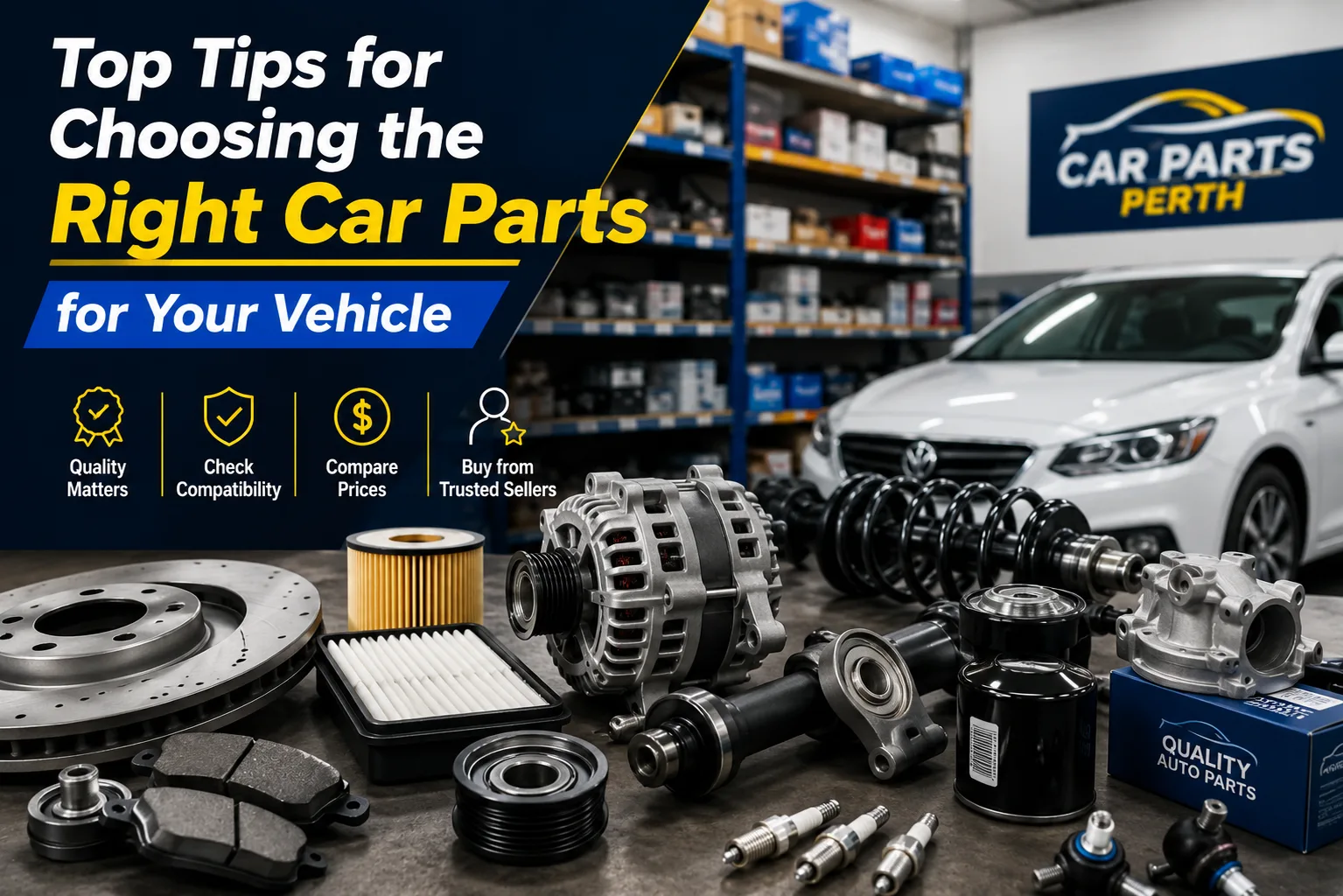
Ever found yourself staring at a wall of car parts, completely overwhelmed by the options? Or perhaps you've ordered something online only to discover it doesn't fit your vehicle at all? Maybe you've even wondered whether that bargain part is actually worth the savings, or if it'll leave you stranded on the side of the road?
Choosing the right car parts in Perth isn't just about keeping your vehicle running smoothly—it's about safety, reliability, and getting genuine value for your hard-earned money. Whether you're tackling routine maintenance or dealing with an unexpected repair, the decisions you make about replacement parts can significantly impact your car's performance and longevity. Get it right, and you'll enjoy peace of mind knowing your vehicle is in top condition. Get it wrong, and you might face costly repairs, safety issues, or the frustration of returning incompatible components.
Understanding Your Vehicle's Specific Requirements
How Do I Know Which Car Parts Are Compatible with My Vehicle?
Compatibility is the foundation of any successful parts purchase. Every vehicle has unique specifications, and even cars that look identical might require different components. The good news is that determining compatibility isn't rocket science—you just need the right information.
Start with the basics: your vehicle's make, model, year, and engine type. These four details will narrow down your options significantly. However, don't stop there. Some vehicles have multiple variants produced in the same year, each requiring slightly different parts. Australian-delivered vehicles can also differ from international models, so always double-check specifications.
Decoding Your VIN Number for Accurate Part Selection
Your Vehicle Identification Number (VIN) is like your car's fingerprint—it's completely unique and tells you everything about your vehicle's specifications. You'll find this 17-character code on your dashboard, driver's door jamb, or registration papers.
Many parts suppliers offer VIN lookup tools that instantly identify compatible components. This takes the guesswork out of ordering and reduces the risk of purchasing incorrect parts. It's particularly useful when buying online, where you can't physically compare components before purchasing.
The Importance of Checking Your Owner's Manual
Your owner's manual is often overlooked, but it's a goldmine of information. It contains manufacturer specifications for replacement parts, recommended maintenance schedules, and technical details that help you make informed decisions. Keep it handy—or download a digital copy if you've misplaced the original.
OEM vs Aftermarket Car Parts: What's the Difference?
What Are OEM Parts and When Should You Use Them?
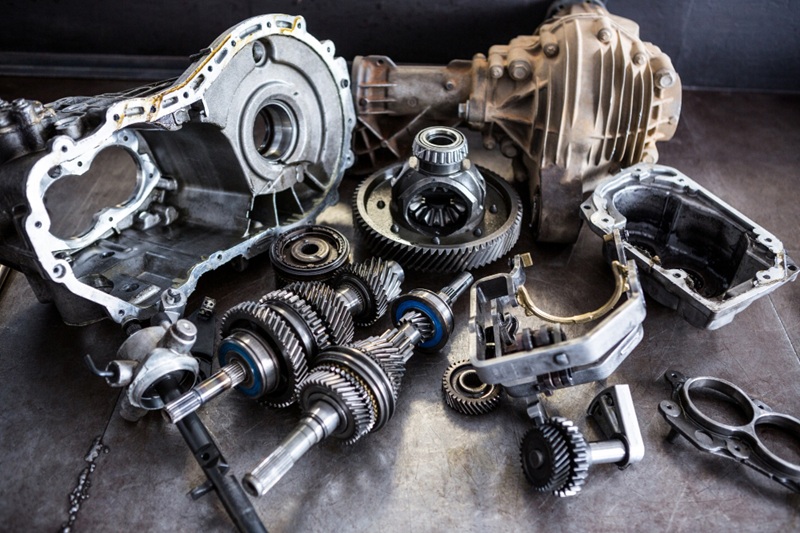
OEM (Original Equipment Manufacturer) parts are made by the same company that produced your car's original components. They're designed to exact specifications, ensuring a perfect fit and consistent performance. If your vehicle is under warranty or you're maintaining a prestige car, OEM parts are typically the safest choice.
Are Aftermarket Parts as Good as Original Parts?
This is where things get interesting. Aftermarket parts are produced by third-party manufacturers and can vary dramatically in quality. Some aftermarket brands actually exceed OEM standards, offering improved performance at competitive prices. Others, unfortunately, cut corners and deliver subpar products.
The key is research. Look for reputable aftermarket brands with strong reviews and proper certifications. Many Australian mechanics recommend specific aftermarket brands they've had positive experiences with—don't hesitate to ask for recommendations.
Pros and Cons of Each Option for Australian Drivers
OEM parts offer guaranteed compatibility and quality but often come with premium price tags. Aftermarket parts provide more choice and potential savings, though quality varies. For everyday vehicles, quality aftermarket parts often represent excellent value. For newer cars under warranty, sticking with OEM components protects your coverage.
Where to Buy Car Parts: Your Options Explained?
Authorised Dealerships
Dealerships guarantee genuine OEM parts with full warranty support. The downside? Higher prices and potentially longer wait times for less common components.
Auto Parts Retailers and Specialist Stores
Chains like Supercheap Auto, Repco, and Autobarn offer convenience and competitive pricing. Staff can often help you find the right part, and you can physically inspect products before purchasing. Specialist stores are particularly valuable for specific vehicle makes or performance parts.
Online Car Parts Suppliers
Online shopping offers unbeatable variety and often lower prices. Australian suppliers like Sparesbox provide extensive catalogues with compatibility filters. Just make sure you're buying from reputable sellers with clear return policies.
Wreckers and Second-Hand Parts: Are They Worth It?
Wreckers can be fantastic for hard-to-find parts or budget-conscious repairs. Many components—especially body panels, interior trim, and some mechanical parts—work perfectly fine second-hand. However, avoid used safety components and items with significant wear. Always inspect parts thoroughly before purchasing.
How to Spot Quality Car Parts?
What to Look for When Buying Car Parts Online?
Check seller ratings and read customer reviews carefully. Look for detailed product descriptions including part numbers, specifications, and compatibility information. Reputable sellers provide clear images showing the actual product, not generic stock photos.
Red Flags That Indicate Poor Quality or Counterfeit Parts
Be wary of prices that seem too good to be true—they usually are. Poor packaging, spelling errors, missing branding, or inconsistent finishing often indicate counterfeit products. If something feels off, trust your instincts and shop elsewhere.
Understanding Warranties and Return Policies
Always check warranty coverage before purchasing. Quality parts typically come with manufacturer warranties ranging from 12 months to lifetime coverage. Clear return policies protect you if parts arrive damaged or prove incompatible.
Essential Car Parts You Shouldn't Skimp On
Brakes and Safety Components
Your braking system is non-negotiable. Quality brake pads, rotors, and fluid ensure reliable stopping power when you need it most. The same applies to tyres, suspension components affecting handling, and any safety-related parts.
Engine and Transmission Parts
Internal engine components, timing belts, and transmission parts directly affect your vehicle's reliability and lifespan. Inferior quality here can lead to catastrophic failures and expensive repairs.
Suspension and Steering Components
These parts affect handling, tyre wear, and overall safety. Quality shock absorbers, control arms, and steering components keep your vehicle predictable and safe on Australian roads.
DIY Installation vs Professional Fitting
Which Car Parts Can You Safely Install Yourself?
Many routine maintenance items—air filters, wiper blades, globes, and batteries—are straightforward DIY jobs. Some enthusiasts confidently tackle brake pads, spark plugs, and basic suspension components. Assess your skills honestly and ensure you have appropriate tools.
When to Leave It to the Professionals?
Complex jobs involving timing components, transmission work, or safety systems require professional expertise. Similarly, if you're unsure about any aspect of installation, a qualified mechanic ensures the job's done correctly. The cost of professional fitting often pales against potential damage from incorrect installation.
.png)
Common Mistakes to Avoid When Buying Car Parts
Rushing purchases without verifying compatibility tops the list. Prioritising price over quality for critical components is another frequent error. Ignoring return policies, buying from unverified sellers, and neglecting to keep receipts for warranty claims also cause unnecessary headaches. Take your time, do your research, and you'll avoid these common pitfalls.
Making Smart Choices for Your Vehicle
Selecting the right car parts doesn't need to be overwhelming once you understand the basics. By verifying compatibility through your VIN and owner's manual, you eliminate guesswork from the equation. Understanding the differences between OEM and aftermarket options helps you balance quality with budget considerations.
Where you buy matters too. Whether you choose dealerships, retailers, online suppliers, or wreckers, each option offers distinct advantages depending on your needs. Learning to spot quality—and recognising red flags—protects you from substandard products that could compromise your vehicle's performance or safety.