Technology has become the foundation of almost every industry, creating exciting career opportunities for graduates with an Information Technology background. Whether it's developing intelligent software, securing digital infrastructure, managing cloud platforms, or analyzing business data, Information Technology professionals are helping organizations innovate and grow.
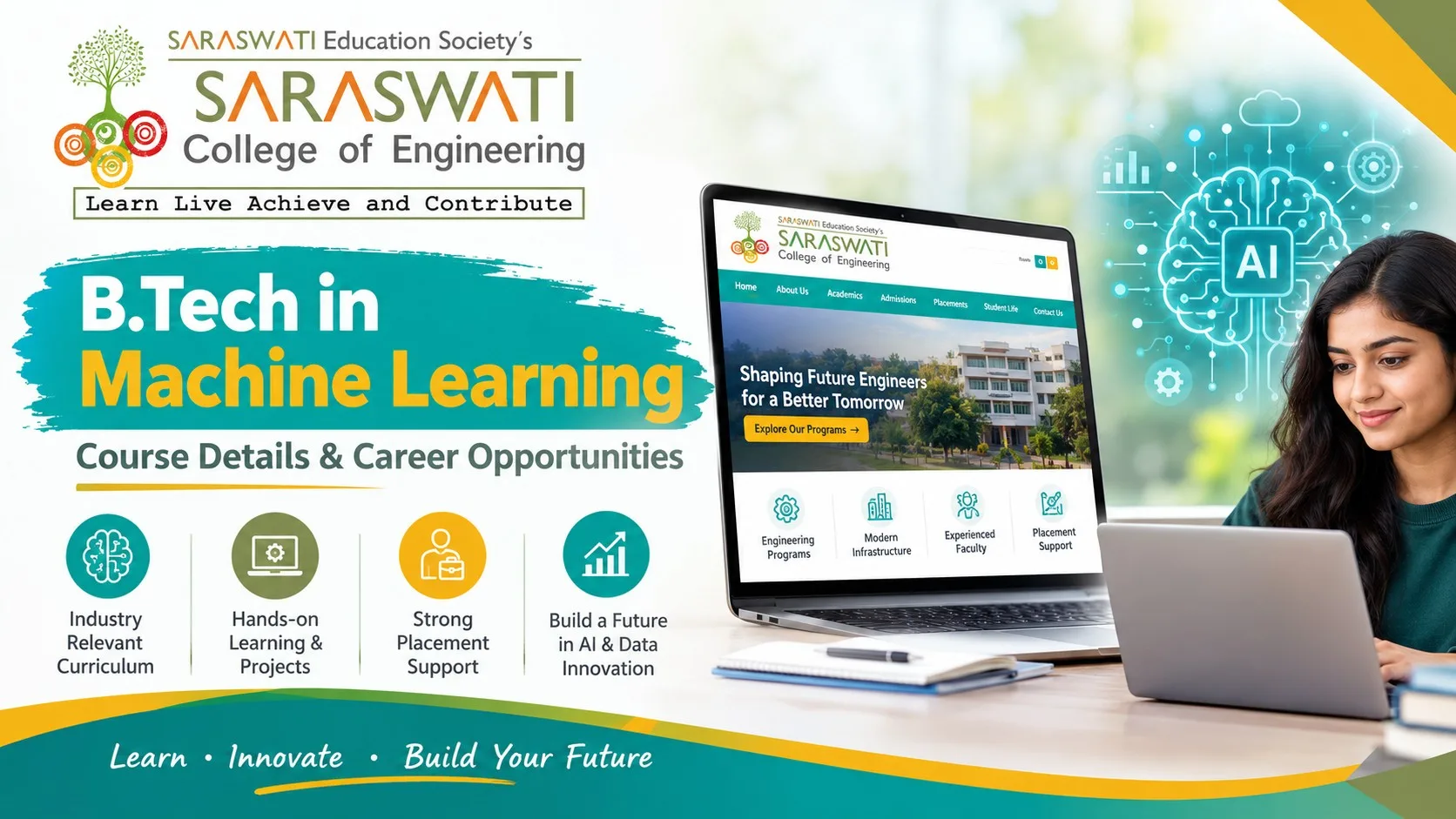
If you're planning to pursue an Information Technology course or are already studying IT, understanding the available career paths can help you make informed decisions about your future. Institutions like Saraswati College of Engineering (SCOE), Kharghar, prepare students with industry-focused learning, practical exposure, and project-based education to build successful careers in the evolving IT landscape.
In this guide, we'll explore the top career options after Information Technology, expected salaries, essential skills, and industry trends shaping 2026.
Why Information Technology is One of the Best Career Choices in 2026
The global economy is becoming increasingly digital. Businesses across healthcare, finance, manufacturing, retail, education, and government rely on technology to improve efficiency, enhance customer experiences, and make data-driven decisions.
This digital transformation has significantly increased the demand for skilled IT professionals.
Some major factors driving demand include:
- Artificial Intelligence and Automation
- Cloud Computing
- Cybersecurity
- Big Data Analytics
- Internet of Things (IoT)
- Software Development
- Digital Banking
- E-commerce Growth
As a result, graduates completing an Information Technology course have access to diverse career opportunities in both India and abroad.
Top Career Options After Information Technology
1. Software Developer
Software Developers design, build, test, and maintain software applications used by businesses and consumers. They work on desktop software, enterprise applications, web platforms, and mobile apps.
Key Responsibilities
- Develop software applications
- Write clean and efficient code
- Test and debug applications
- Improve software performance
- Collaborate with development teams
Average Salary in India
₹5–12 LPA (Higher with experience and specialization)
2. Full Stack Developer
Full Stack Developers handle both front-end and back-end development, making them highly valuable in startups and product companies.
Skills Required
- HTML
- CSS
- JavaScript
- React
- Node.js
- Databases
- APIs
Average Salary
₹6–15 LPA
3. Data Analyst
Organizations generate enormous amounts of data every day. Data Analysts convert this information into actionable business insights.
Responsibilities
- Analyze business data
- Build dashboards
- Generate reports
- Support business decisions
Popular Tools
- SQL
- Python
- Excel
- Power BI
- Tableau
Average Salary
₹5–10 LPA
4. Cybersecurity Analyst
With increasing cyber threats, cybersecurity has become one of the fastest-growing Information Technology jobs.
Cybersecurity professionals protect organizations from hacking, malware, ransomware, and data breaches.
Key Skills
- Ethical Hacking
- Network Security
- Security Operations
- Risk Assessment
- Incident Response
Average Salary
₹6–14 LPA
5. Cloud Engineer
Cloud Computing continues to dominate enterprise technology.
Cloud Engineers manage cloud infrastructure using platforms such as:
- AWS
- Microsoft Azure
- Google Cloud Platform
Responsibilities
- Cloud deployment
- Infrastructure management
- Security implementation
- Performance optimization
Average Salary
₹7–18 LPA
6. Artificial Intelligence & Machine Learning Engineer
AI is transforming industries through automation, predictive analytics, and intelligent decision-making.
AI Engineers develop systems capable of learning from data and solving complex problems.
Skills Needed
- Python
- Machine Learning
- Deep Learning
- TensorFlow
- Data Science
Average Salary
₹8–20 LPA
7. Network Engineer
Network Engineers ensure smooth communication across an organization's IT infrastructure.
They design, configure, monitor, and troubleshoot networks.
Responsibilities
- Configure routers
- Maintain enterprise networks
- Monitor system performance
- Improve network security
Average Salary
₹5–10 LPA
8. DevOps Engineer
DevOps Engineers bridge software development and IT operations to enable faster software delivery.
Skills
- Docker
- Kubernetes
- CI/CD
- Linux
- Jenkins
- Cloud Platforms
Average Salary
₹8–18 LPA
9. Database Administrator (DBA)
Every organization depends on databases to store critical business information.
Database Administrators manage:
- Database performance
- Backup and recovery
- Security
- Data integrity
Average Salary
₹5–11 LPA
10. IT Consultant
IT Consultants help businesses select and implement technology solutions that improve productivity and business performance.
They work across industries including banking, healthcare, retail, manufacturing, and consulting firms.
Average Salary
₹7–15 LPA
Information Technology Salary in India
One of the biggest advantages of pursuing an IT career is the strong earning potential.
- Software Developer: ₹5–12 LPA
- Full Stack Developer: ₹6–15 LPA
- Data Analyst: ₹5–10 LPA
- Cybersecurity Analyst: ₹6–14 LPA
- Cloud Engineer: ₹7–18 LPA
- AI Engineer: ₹8–20 LPA
- Network Engineer: ₹5–10 LPA
- DevOps Engineer: ₹8–18 LPA
- Database Administrator: ₹5–11 LPA
- IT Consultant: ₹7–15 LPA
Note: Salaries vary based on location, skills, certifications, company, and experience.
Skills You Need to Build a Successful IT Career
Technical knowledge alone is no longer enough. Employers seek professionals who combine technical expertise with problem-solving and collaboration skills.
Technical Skills
- Programming Languages
- Data Structures & Algorithms
- Database Management
- Cloud Computing
- Cybersecurity
- Artificial Intelligence
- Software Testing
- Networking
- Web Development
- Version Control (Git)
Soft Skills
- Communication
- Analytical Thinking
- Teamwork
- Time Management
- Critical Thinking
- Adaptability
- Continuous Learning
Developing these skills during your Information Technology course can significantly improve employability.
Choosing the Right Information Technology Course
The quality of your education plays an important role in shaping your career. When selecting an Information Technology program, consider factors such as:
- Industry-aligned curriculum
- Experienced faculty
- Modern computer laboratories
- Practical and project-based learning
- Internship opportunities
- Placement assistance
- Industry interaction
- Technical clubs and innovation activities
Students looking to build a strong foundation in Information Technology can consider institutions such as Saraswati College of Engineering (SCOE), Kharghar, where the Information Technology department emphasizes practical learning, technical skill development, modern laboratory facilities, and industry-oriented education to prepare graduates for today's technology-driven careers.
Future Scope of Information Technology
The future of Information Technology looks exceptionally promising. According to industry trends, demand will continue to grow for professionals skilled in:
- Artificial Intelligence
- Cloud Computing
- Cybersecurity
- Data Science
- Internet of Things (IoT)
- Blockchain
- Edge Computing
- Automation
- Intelligent Software Development
As organizations continue investing in digital transformation, the need for qualified IT professionals is expected to remain strong across India and global markets.
Conclusion
The career opportunities after Information Technology are broader than ever before. From software development and cloud computing to cybersecurity, AI, and data analytics, IT professionals are at the forefront of innovation across industries.
Choosing the right Information Technology course, continuously upgrading your technical skills, and gaining practical experience can open doors to rewarding careers with excellent growth potential and competitive salaries.
For students seeking an industry-oriented learning environment, Saraswati College of Engineering (SCOE), Kharghar offers an Information Technology program that combines academic excellence with practical exposure, project-based learning, and career-focused development helping graduates prepare for the evolving demands of the global technology industry.