Tile flooring is a versatile, durable, and stylish option for any home. Whether you're renovating your kitchen, bathroom, or even a living space, tile provides an elegant and practical solution. In this comprehensive guide, we will explore everything you need to know about tile flooring, from choosing the right material to installation, maintenance, and design ideas.
1. Why Choose Tile Flooring?
Tile flooring is a popular choice for homeowners and designers because of its numerous advantages:
- Durability: Tiles are resistant to scratches, stains, and moisture.
- Easy Maintenance: They require minimal cleaning and upkeep.
- Variety of Styles: Available in various colors, textures, and patterns.
- Cost-Effective: Long-lasting and offers great value for money.
- Eco-Friendly Options: Some tiles are made from recycled materials, making them a sustainable choice.
2. Types of Tile Flooring
Understanding the different types of tiles can help you make the best choice for your home. Here are the most common options:
Ceramic Tiles
Ceramic tiles are made from clay and fired at high temperatures. They are available in glazed and unglazed finishes, offering versatility and durability.
Porcelain Tiles
Porcelain tiles are a denser and more durable version of ceramic tiles. They are highly water-resistant, making them ideal for bathrooms and kitchens.
Natural Stone Tiles
Natural stone tiles, such as marble, granite, slate, and travertine, bring a luxurious touch to any space. However, they require regular sealing to prevent stains.
Vinyl Tiles
Vinyl tiles mimic the look of natural materials but offer greater comfort and affordability. They are waterproof and easy to install.
Glass Tiles
Glass tiles are commonly used for backsplashes and accent walls rather than flooring. However, they add a modern, sleek look to any space.
3. How to Choose the Right Tile for Your Space
When selecting tile flooring, consider the following factors:
- Location: Some tiles are better suited for high-moisture areas.
- Traffic Levels: Durable tiles like porcelain are best for high-traffic areas.
- Aesthetic Appeal: Choose a color, pattern, and finish that complements your decor.
- Budget: Tiles come in a range of prices, so pick one that fits your budget.
4. Step-by-Step Tile Flooring Installation Guide
Tools and Materials Needed
- Tiles
- Tile adhesive or thin-set mortar
- Tile spacers
- Grout
- Trowel
- Tile cutter
- Level
- Measuring tape
Installation Process
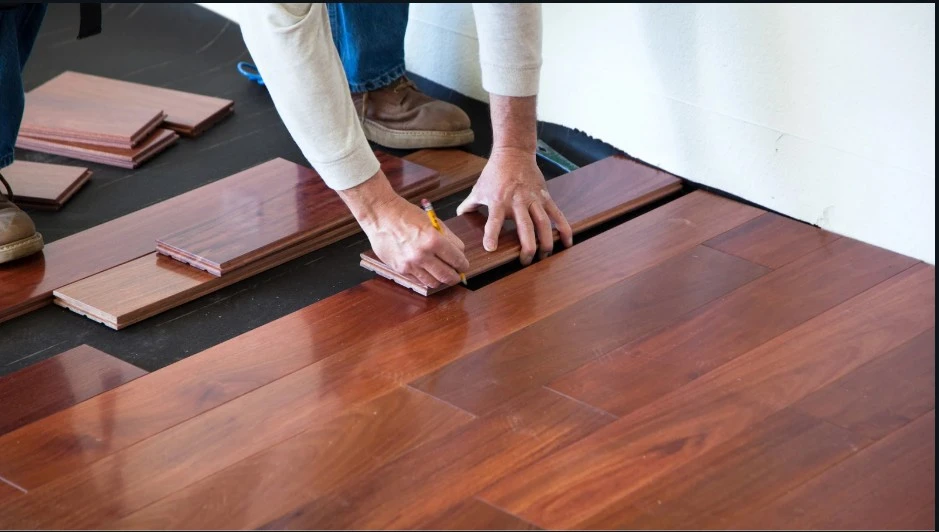
Step 1: Prepare the Surface
Ensure the subfloor is clean, dry, and level. Any uneven surfaces should be smoothed out.
Step 2: Plan the Layout
Lay out the tiles without adhesive to visualize the design and ensure proper alignment.
Step 3: Apply Adhesive
Spread thin-set mortar with a trowel and place the tiles, using spacers to maintain even gaps.
Step 4: Cut Tiles as Needed
Use a tile cutter to fit tiles around edges and corners.
Step 5: Allow to Set
Let the adhesive dry for at least 24 hours before applying grout.
Step 6: Apply Grout
Fill the gaps between tiles with grout, then wipe away excess with a damp sponge.
Step 7: Seal (If Needed)
If using natural stone tiles, apply a sealant to protect them from stains and moisture.
5. Tile Flooring Maintenance Tips
Maintaining your tile flooring is simple with these easy tips:
- Regular Sweeping & Mopping: Prevents dirt buildup.
- Use Mild Cleaners: Harsh chemicals can damage the tile finish.
- Seal Grout Lines: Prevents staining and moisture penetration.
- Repair Cracks Promptly: Prevents further damage by replacing broken tiles.
6. Tile Flooring Design Ideas
Classic and Timeless Looks
- Marble Tiles for a sophisticated feel.
- Checkerboard Patterns for a vintage look.
Modern and Trendy Styles
- Hexagonal Tiles for a unique, contemporary touch.
- Wood-Look Tiles that mimic hardwood floors.
Bold and Artistic Choices
- Mosaic Tiles for an eye-catching backsplash.
- Geometric Patterns for a statement floor.
7. Common Tile Flooring Mistakes to Avoid
- Not Preparing the Subfloor: Leads to uneven tiles.
- Skipping Tile Spacers: Results in inconsistent grout lines.
- Using the Wrong Cleaner: Can damage the finish over time.
- Not Sealing Grout: Leads to discoloration and moisture damage.
8. Pros and Cons of Tile Flooring
Pros
✅ Durable and long-lasting
✅ Easy to clean and maintain
✅ Wide variety of styles and colors
✅ Water and stain-resistant (especially porcelain and ceramic)
Cons
❌ Can be cold underfoot ❌ Hard surface may be uncomfortable for long periods ❌ Grout lines require maintenance ❌ Some tiles can be slippery when wet
9. Cost of Tile Flooring
Tile flooring costs vary depending on material and installation:
- Ceramic Tiles: $2 - $10 per square foot
- Porcelain Tiles: $3 - $15 per square foot
- Natural Stone Tiles: $5 - $50 per square foot
- Vinyl Tiles: $1 - $7 per square foot
10. Tile Flooring vs. Other Flooring Options
FeatureTile FlooringHardwoodCarpetVinylDurabilityHighMediumLowMediumWater ResistanceHighLowLowHighMaintenanceLowHighHighLowCostMediumHighLowLow
Conclusion
Tile flooring is a fantastic choice for homeowners looking for durability, aesthetics, and easy maintenance. Whether you prefer ceramic, porcelain, or natural stone, the right tile can enhance any space. By following proper installation and maintenance tips, you can enjoy beautiful and long-lasting tile floors for years to come.
Ready to transform your home? Start exploring your tile options today! For expert advice and professional installation, visit Tile Setters Vancouver.