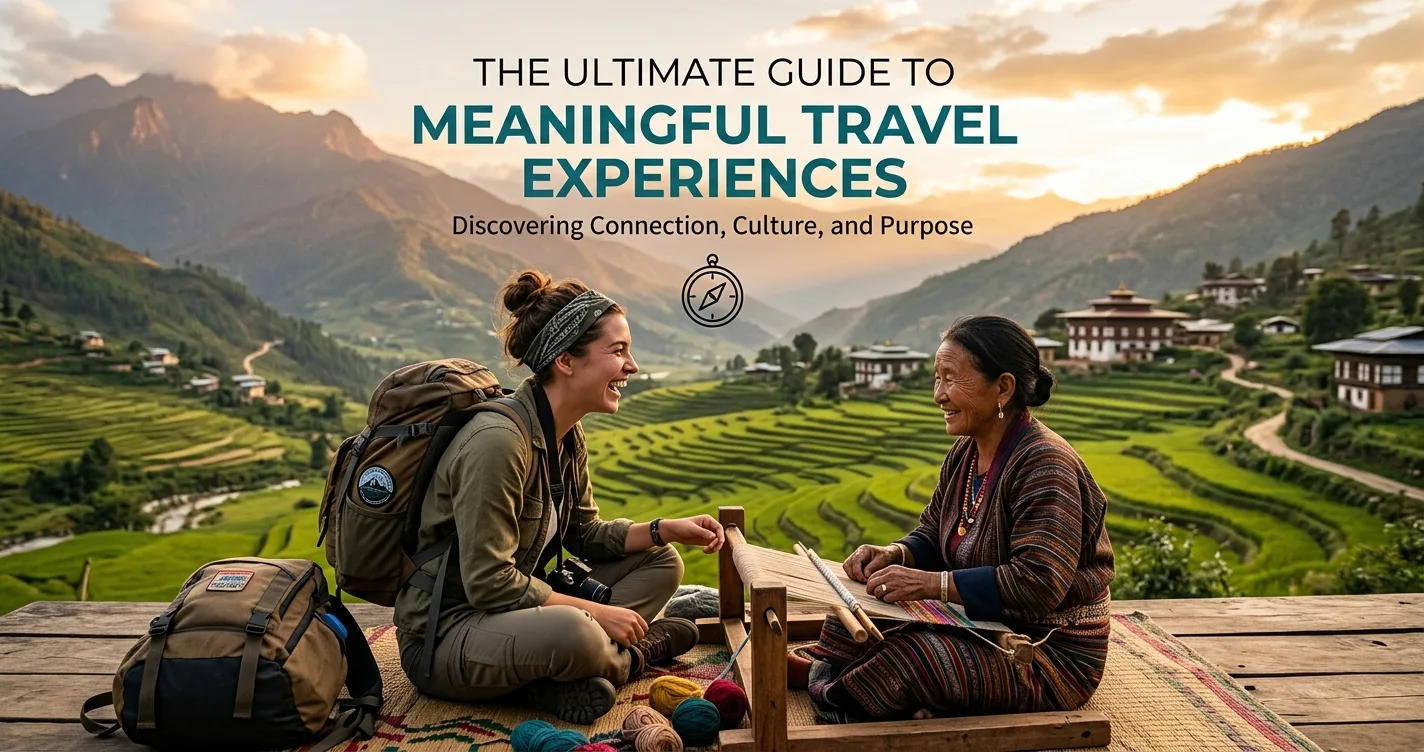
Travel has the power to change the way people see the world. A journey can introduce us to different cultures, challenge our assumptions, create friendships, and encourage us to become more independent.
But meaningful travel does not necessarily require an expensive vacation or a long itinerary. Sometimes the most valuable experiences come from simple moments.
Travel With Curiosity
Curiosity is one of the most important qualities a traveler can have.
Instead of asking only what attractions you should photograph, ask questions about the destination.
Why is the local food prepared this way? How did this neighborhood develop? What traditions are important to residents? What do people do on weekends?
These questions turn sightseeing into learning.
Explore Local Food
Food is one of the easiest ways to connect with a culture.
Instead of eating only familiar international dishes, try local specialties.
Visit markets. Ask locals for recommendations. Try regional snacks. Learn about traditional cooking methods.
Food experiences can also become social experiences.
A shared meal can create an opportunity to talk with other travelers or local residents.
Talk to People
Travel becomes more meaningful when people become part of the experience.
Strike up conversations when appropriate. Ask questions respectfully. Listen to stories.
You do not need to become friends with everyone you meet. Even a short conversation can change your understanding of a place.
Go Beyond Famous Attractions
Iconic landmarks are famous for a reason, but they are not the entire destination.
Explore local neighborhoods. Walk through markets. Visit smaller museums. Discover independent cafés and shops.
Sometimes a quiet street can provide a stronger memory than a crowded tourist attraction.
Choose Experiences Over Shopping
Shopping can certainly be part of travel, but experiences often last longer.
Instead of spending an entire afternoon inside a shopping mall, consider taking a cooking class, hiking, visiting a cultural center, joining a local workshop, or exploring nature.
These activities create memories rather than simply adding objects to your luggage.
Try Something Outside Your Comfort Zone
Travel is an opportunity to experiment.
Try a new activity. Eat something unfamiliar. Take a different transportation route. Join a walking tour. Wake up early for sunrise.
The goal is not to be reckless. It is to challenge yourself in safe and sensible ways.
Travel With People Who Share Your Interests
A travel companion can influence the entire experience.
If you enjoy adventure but your companion prefers spending the entire holiday at a resort, disagreements may become inevitable.
This is why group travel communities can be appealing.
Trips N Tales describes its community as being built around travelers who want adventure, authentic experiences, connections, and memorable stories.
Traveling with people who share similar interests can make activities more enjoyable.
Embrace Local Experiences
Authenticity is increasingly important to modern travelers.
Rather than following only a standard tourist itinerary, look for experiences that provide insight into everyday life.
This might include staying in locally operated accommodation, visiting community markets, learning traditional crafts, or exploring areas outside the main tourist district.
Travel Responsibly
Meaningful travel should also be responsible travel.
Avoid damaging natural environments. Respect wildlife. Reduce waste. Follow local rules.
Supporting small local businesses can also help ensure tourism benefits communities.
Responsible travel is not about being perfect. It is about being conscious of the impact your choices can have.
Keep a Travel Journal
A simple travel journal can make your memories more vivid.
Write down what you saw, ate, learned, and experienced.
Record funny moments and unexpected events.
Years later, these notes can help you remember details that photographs cannot capture.
Take Time to Disconnect
Constant connectivity can make it difficult to fully experience a destination.
Try spending some time without checking notifications.
Walk without constantly looking at your phone. Enjoy a meal without taking photographs of every dish. Watch a sunset without immediately recording it.
Being present can make a major difference.
Travel Slowly
Slow travel means spending more time in fewer places.
Instead of visiting five cities in five days, consider staying in two destinations and exploring them more deeply.
This gives you time to develop a sense of place.
You may begin recognizing local streets, returning to the same café, or becoming familiar with neighborhood routines.
Create Stories, Not Checklists
A destination checklist can be useful, but it should not become the purpose of travel.
You do not need to visit every attraction.
Choose experiences that genuinely interest you.
A trip filled with meaningful moments will probably be more memorable than one packed with rushed sightseeing.
Final Thoughts
Meaningful travel is not defined by luxury, distance, or cost.
It is defined by curiosity and connection.
Talk to people. Try unfamiliar food. Explore local neighborhoods. Learn about culture. Respect the environment. Give yourself permission to slow down.
Most importantly, travel with an open mind.
The best journeys often teach us something about the world—and something about ourselves.