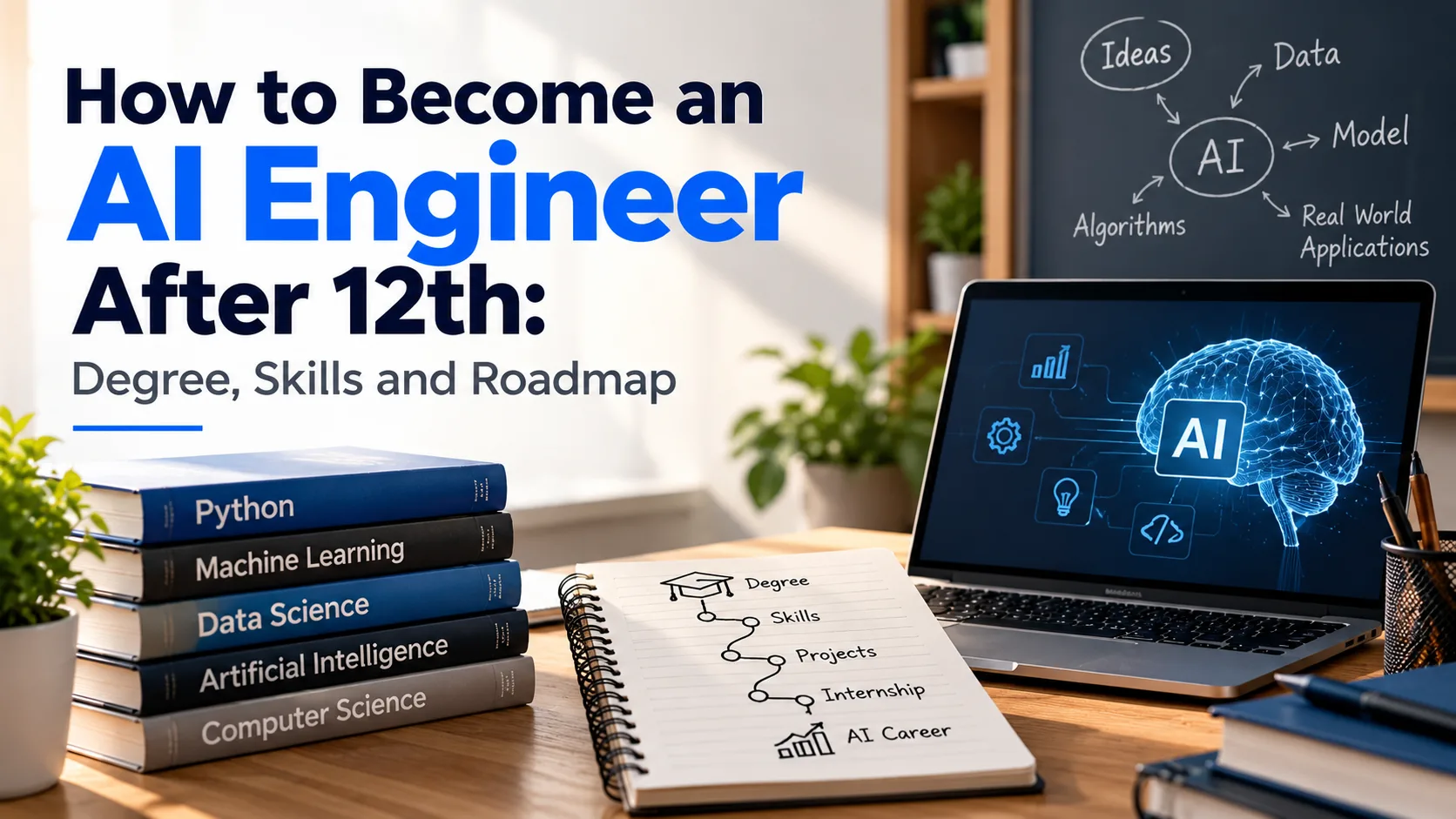
Artificial Intelligence (AI) is transforming industries across the globe, and the education sector is no exception. From personalized learning experiences to intelligent tutoring systems, AI is reshaping the way engineering students learn, innovate, and prepare for future careers. As technology continues to evolve, engineering institutions are integrating AI into their curricula to ensure students are equipped with the skills needed for the digital age.
What Is Artificial Intelligence?
Artificial Intelligence refers to the ability of machines and computer systems to perform tasks that typically require human intelligence. These tasks include problem-solving, decision-making, language understanding, data analysis, and pattern recognition. AI technologies such as machine learning, deep learning, and natural language processing are now widely used in engineering applications.
How AI Is Transforming Engineering Education
1. Personalized Learning Experiences
Every student learns differently. AI-powered learning platforms can analyze student performance and provide customized study materials, quizzes, and recommendations based on individual learning needs. This helps students improve their understanding of complex engineering concepts at their own pace.
2. Smart Virtual Assistants
AI-based chatbots and virtual assistants can answer students' questions, provide academic support, and guide them through coursework. These tools are available 24/7, making learning more accessible and convenient.
3. Enhanced Research and Innovation
Engineering students can use AI tools to analyze large datasets, conduct simulations, and solve real-world problems more efficiently. AI accelerates research by identifying patterns and insights that would otherwise take significant time and effort to discover.
4. Practical Industry Exposure
Many engineering industries now rely on AI-driven technologies. By learning AI concepts during their academic journey, students gain practical knowledge that aligns with current industry requirements and emerging career opportunities.
5. Improved Assessment and Feedback
AI systems can evaluate assignments, conduct assessments, and provide instant feedback. This helps students identify their strengths and areas for improvement while reducing administrative workloads for educators.
Why Engineering Students Should Learn AI
The demand for AI professionals is increasing across sectors such as healthcare, finance, manufacturing, cybersecurity, and robotics. Engineering graduates with AI skills are highly sought after because they can develop innovative solutions for complex challenges.
Learning AI enables students to:
- Build intelligent applications
- Analyze and interpret data effectively
- Develop automation solutions
- Improve problem-solving abilities
- Enhance employability in emerging technology sectors
B.Tech in Artificial Intelligence: A Future-Ready Choice
As the demand for AI professionals continues to grow, many students are choosing a B.Tech in Artificial Intelligence to gain specialized knowledge in this rapidly evolving field. This program combines core engineering principles with advanced AI technologies such as machine learning, data science, neural networks, and intelligent systems.
A B.Tech in Artificial Intelligence prepares students for careers such as:
- AI Engineer
- Machine Learning Engineer
- Data Scientist
- Robotics Engineer
- AI Research Analyst
- Software Developer
The program equips students with both theoretical knowledge and practical experience, making them industry-ready upon graduation.
Benefits of AI in Engineering Education
- Encourages innovation and creativity
- Improves learning efficiency
- Provides real-world problem-solving experience
- Enhances technical and analytical skills
- Prepares students for future technologies
- Bridges the gap between academics and industry
The Future of AI in Engineering
Artificial Intelligence will continue to play a significant role in shaping the future of engineering education. Universities and colleges are increasingly adopting AI-powered tools, smart classrooms, and advanced learning platforms to improve educational outcomes. Students who embrace AI today will be better prepared to lead tomorrow's technological innovations.
Conclusion
Artificial Intelligence is revolutionizing engineering education by making learning more personalized, efficient, and industry-focused. As organizations increasingly adopt AI-driven technologies, engineering students must develop AI skills to remain competitive in the job market. Pursuing a B.Tech in Artificial Intelligence is an excellent way to gain expertise in one of the world's most promising and impactful fields. By combining engineering fundamentals with cutting-edge AI technologies, students can build successful careers and contribute to the future of innovation.