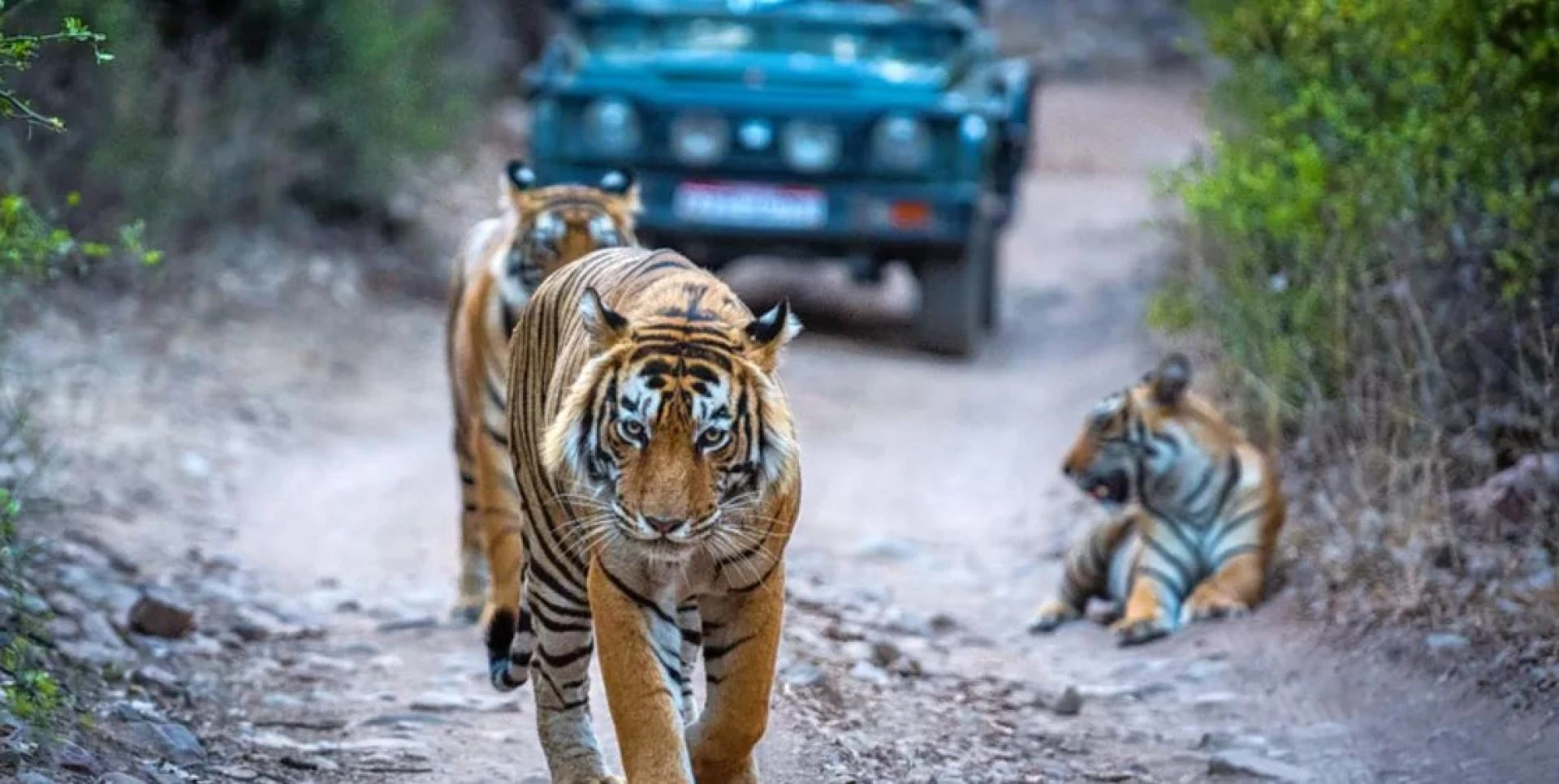
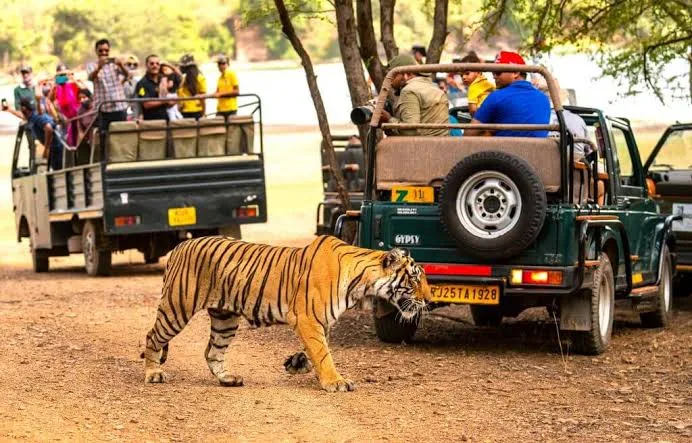
Venturing deep into the heart of the Indian wilderness offers an adrenaline-pumping experience that few other travel adventures can match. The majestic Royal Bengal Tiger reigns supreme across several protected sanctuaries in India, drawing passionate wildlife photographers, naturalists, and intrepid travelers from around the globe. To plan an extraordinary expedition, one must understand the distinct landscapes, conservation histories, and tracking territories that define the subcontinent's premier wildlife reserves. Drawing from years of dedicated field expertise, hospitality stewardship, and close collaboration with forest naturalists at Ranthambore Tiger Resort, this comprehensive guide highlights the world-renowned sanctuaries where your chances of witnessing this apex predator thrive.
The Legendary Wilderness of Ranthambore National Park
Situated in the Sawai Madhopur district of Rajasthan, Ranthambore National Park represents the gold standard of tiger sightings globally. What sets Ranthambore apart from every other reserve is its mesmerizing marriage of historical heritage and rugged natural beauty. Tigers here are known to casually stroll past ancient stone ramparts, historic cenotaphs, and picturesque stepwells, often lounging beside the serene waters of Padam Talao, Rajbagh, and Malik Talao.
The sprawling landscape transitions from dry deciduous scrub to dense dhok forests, providing clear sightlines that make tracking wildlife particularly rewarding. A proper wildlife itinerary requires navigating the designated Ranthambore safari zone routes, where seasoned trackers read fresh pugmarks, listen for the frantic alarm calls of spotted deer and langurs, and guide open safari vehicles toward high-probability territory. After an exhilarating excursion through these historic grounds, travelers routinely seek comfortable sanctuary, fine dining, and authentic hospitality at the best resort in Ranthambore to recharge before their next dawn patrol. Selecting the right window on the calendar is just as crucial, and evaluating the best time to visit Ranthambore ensures you encounter prime climatic conditions and optimal waterhole gatherings.
The Rolling Meadows and Sal Forests of Kanha National Park
Located across the heart of Madhya Pradesh, Kanha National Park serves as the iconic backdrop that inspired Rudyard Kipling’s classic literary works. Kanha is widely celebrated not only for its thriving tiger density but also for pioneering modern wildlife conservation management in India. It successfully rescued the hard-ground swamp deer, locally known as the Barasingha, from the very brink of extinction.
Kanha is characterized by sprawling grasslands framed by towering sal trees and rolling hillocks. Unlike denser scrub jungles, these wide-open meadows offer breathtaking photographic opportunities when a tiger emerges into the morning mist. Kanha’s four primary tourism zones—Mukki, Kanha, Kisli, and Sarhi—boast well-maintained trail systems monitored by highly disciplined forest department staff. Professional guides in Kanha are recognized for their deep ecological knowledge, walking visitors through nuanced botanical interactions, bird nesting behaviors, and the territorial territorial markings left behind by dominant cats along boundary trees.
The High-Density Bamboo Groves of Bandhavgarh National Park
For travelers seeking exceptionally high predator numbers per square kilometer, Bandhavgarh National Park in Madhya Pradesh stands as a formidable destination. Nestled among the Vindhya hills, Bandhavgarh holds a rich history centered around an ancient cliff-top fortress believed to have mythological roots. The reserve’s compact core area, coupled with an abundant population of cheetal and sambar deer, has historically sustained one of the highest densities of Royal Bengal Tigers anywhere in Asia.
The park features steep sandstone hills, lush river valleys, and thick bamboo thickets that open suddenly into marshy grasslands locally termed as 'boheras'. Tracking through Bandhavgarh requires keen attention to detail; cats frequently patrol the main safari tracks or shelter within cool ravine beds during hot afternoons. The core zones of Tala, Magdhi, and Khitauli provide distinct topographies, with Tala showcasing the ancient ruins and dramatic cliffs, while Magdhi and Khitauli offer sweeping forested expanses favored by dynamic breeding females and resident males.
The Meandering Waterways of Jim Corbett National Park
Honoring the legacy of legendary hunter-turned-conservationist Jim Corbett, this historic park in the Himalayan foothills of Uttarakhand remains India's oldest national reserve. Corbett is celebrated for its sheer topographical diversity, encompassing the swift-flowing Ramganga River, deep ravines, dense sal woodlands, and expansive riverine grasslands known as 'chaurs'.
The reserve provides a unique multi-species safari environment where healthy tiger populations share territory with massive herds of wild Asian elephants. The Dhikala zone, perched right beside the Ramganga reservoir, is arguably the most famous sector for scenic predator encounters. Corbett is also one of the rare national parks permitting select overnight stays inside designated rest houses deep within the core zone, offering an authentic, unfiltered auditory experience of the nocturnal jungle.
Essential Practices for an Ethical and Rewarding Safari
Embarking on a tiger safari requires more than just securing vehicle permits; it demands a mindset rooted in conservation respect, patience, and environmental responsibility. Wildlife observation relies entirely on natural ecosystem dynamics, meaning encounters can never be guaranteed on demand.
- Secure safari bookings well in advance through official government forest portals to ensure entry into preferred zones.
- Dress in muted earth tones such as khaki, olive, brown, and beige to blend seamlessly into the surrounding vegetation without alarming sensitive animals.
- Maintain absolute silence when your safari vehicle stops near an active tracking area or waterbody to allow drivers and naturalists to listen for alarm calls.
- Refrain strictly from using camera flash units, loud ringtones, or plastic disposables inside protected forest ecosystems.
- Place your trust in experienced local guides who interpret wind shifts, track patterns, and territorial signals to bring you into nature's most unforgettable moments.