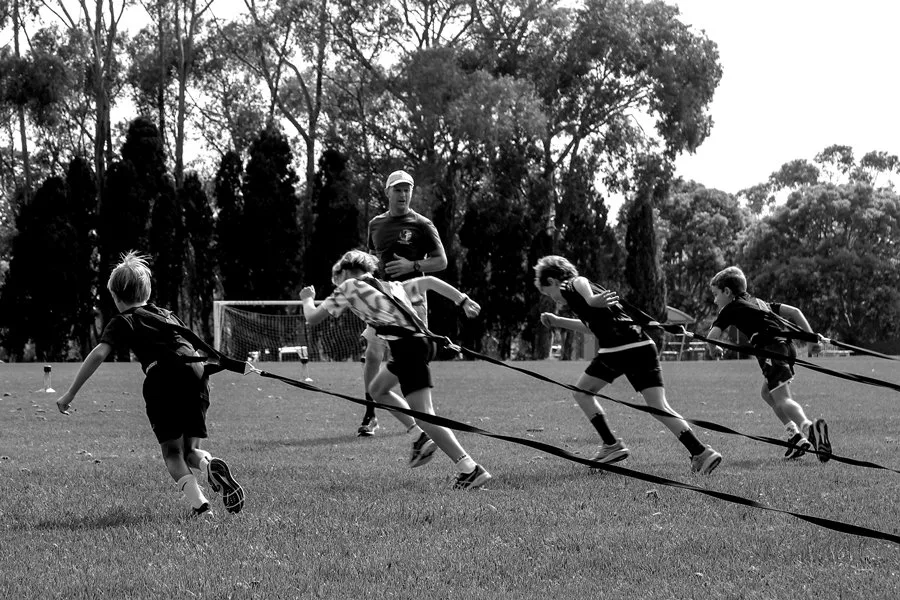
Sporting performance is often the reason both parents and young athletes begin strength training. And while more speed, power, and endurance are excellent things to gain from training, there are many other benefits of strength training for young athletes that can last them long even after their sporting careers.
It can help athletes lay the foundation for a lifetime of fitness and health. It can also teach better movement patterns, encourage confidence, and create habits that will keep your young athletes feeling their best well into their adulthood.
Building a foundation for lifelong strength and healthPerhaps one of the most important benefits of strength training for young people is the ability to build a foundation for a lifetime of health. When done correctly under the supervision of a professional, strengthening muscles will positively impact muscles, bones, tendons, and joints.
The teenage years are a time of tremendous growth and development. Utilising this time to train with resistance consistently can support healthy bone density and lead to healthier bones throughout life. This is particularly beneficial because bone strength is primarily developed by age 20.
Muscles also help to support joints. Strong muscles allow the body to move without unnecessary stressors. Building strength as a young athlete can help you move more efficiently throughout your life.
Developing healthy exercise habits for lifeThe routines you learn as a young person often translate into habits as an adult. Staying active as a child can help set up a healthy relationship with exercise that continues into adulthood.
Consistent strength training can teach young athletes discipline and commitment. Rather than seeing results immediately, athletes learn that improvements come from regular training sessions over time.
They also learn how to create healthy habits and stick with a programme. This can help young athletes stay active throughout all areas of their lives, even if they stop playing sports.
Continuing to move and exercise after sport can help you stay healthy well into your later years.
Improve confidenceAs you begin to get stronger and healthier, you may notice an improvement in your confidence. Benefits in strength and fitness can often translate to other areas of your life. Young athletes who take on the challenge of a strength-training programme often find they have more confidence in their abilities in school, social situations, and future careers.
Understanding the value of patience, discipline, and hard work can help young athletes feel confident that they can accomplish what they set their minds to. This can lead to a better sense of self both in and outside of sport.
Learning proper movementMany daily tasks require us to move efficiently. Running, lifting, carrying, climbing stairs, bending, and even sitting up straight all take strength. When you learn how to move correctly as a young athlete, you can carry that into your daily life. Strength training teaches you how to control your body, where to place your joints for stability, and how to create force through proper movement patterns.
These lessons can help you prevent sloppy movement patterns and poor posture as you get older. Not only does this look better, but it can prevent unnecessary stress on your body from doing simple tasks.
Decreasing your risk of injury long-termYou don’t have to limit sports injuries. Moving more efficiently and strengthening your muscles can help you whether you are playing sports, working, or just going about your day.
Strength training helps your body learn to support your joints better. You also learn how to move with better body awareness, which can help you avoid injuries in the future. No exercise programme can completely prevent injuries, but you can set yourself up for success by strengthening your body early on.
Learning life lessonsYou learn a lot about yourself when you begin a strength training programme. Young athletes who take on this challenge early in life learn how to push through hard workouts with a level of accountability. They learn to set goals and work towards them at both the macro and micro levels. Programming often requires athletes to track their progress and stay dedicated to a plan to see results.
These are valuable skills that can be transferred to your career, education, and personal growth. You also learn how to deal with failure; not every training session will go perfectly. This can teach you how to roll with the punches when things don’t go your way.
Promoting better mental healthExercise has many positive benefits for mental health, and strength training is no different. Utilising exercise as a tool can help you burn off excess stress, increase your sense of control over your body, and better manage your emotions.
If you’re going through a difficult time in your teen years, regular exercise can help.
Training also allows you to build friendships with your coach and other athletes. Spending time developing healthy relationships with positive role models can help you learn to interact with others.
Performance isn’t the only reason you should consider a strength training programme. While young athletes train mostly for sport, it can also help them build a foundation for lifelong health. It can help you build healthy habits, increase your confidence, move better, and learn lessons that will help you for the rest of your life.
Working with coaches, your school, sporting clubs, or facilities like a gym in Dromana and other suburbs such as Safety Beach, Mount Martha, Red Hill and more can help you learn how to stay healthy well after you graduate from sport.