When it comes to oral health, prevention is always better than treatment. Many dental problems, including cavities, gum disease, and enamel wear, develop gradually over time and often show little to no symptoms in their early stages. By the time pain or discomfort appears, the condition may already require more extensive treatment.
Preventive dentistry focuses on protecting your teeth and gums before problems arise. Through regular dental visits, good oral hygiene practices, and healthy lifestyle choices, you can significantly reduce the risk of developing serious dental issues while preserving your natural smile for years to come.
What Is Preventive Dentistry?
Preventive dentistry is a proactive approach to maintaining oral health by preventing dental diseases rather than treating them after they occur.
It combines professional dental care with daily oral hygiene habits to keep the teeth, gums, and supporting structures healthy throughout life.
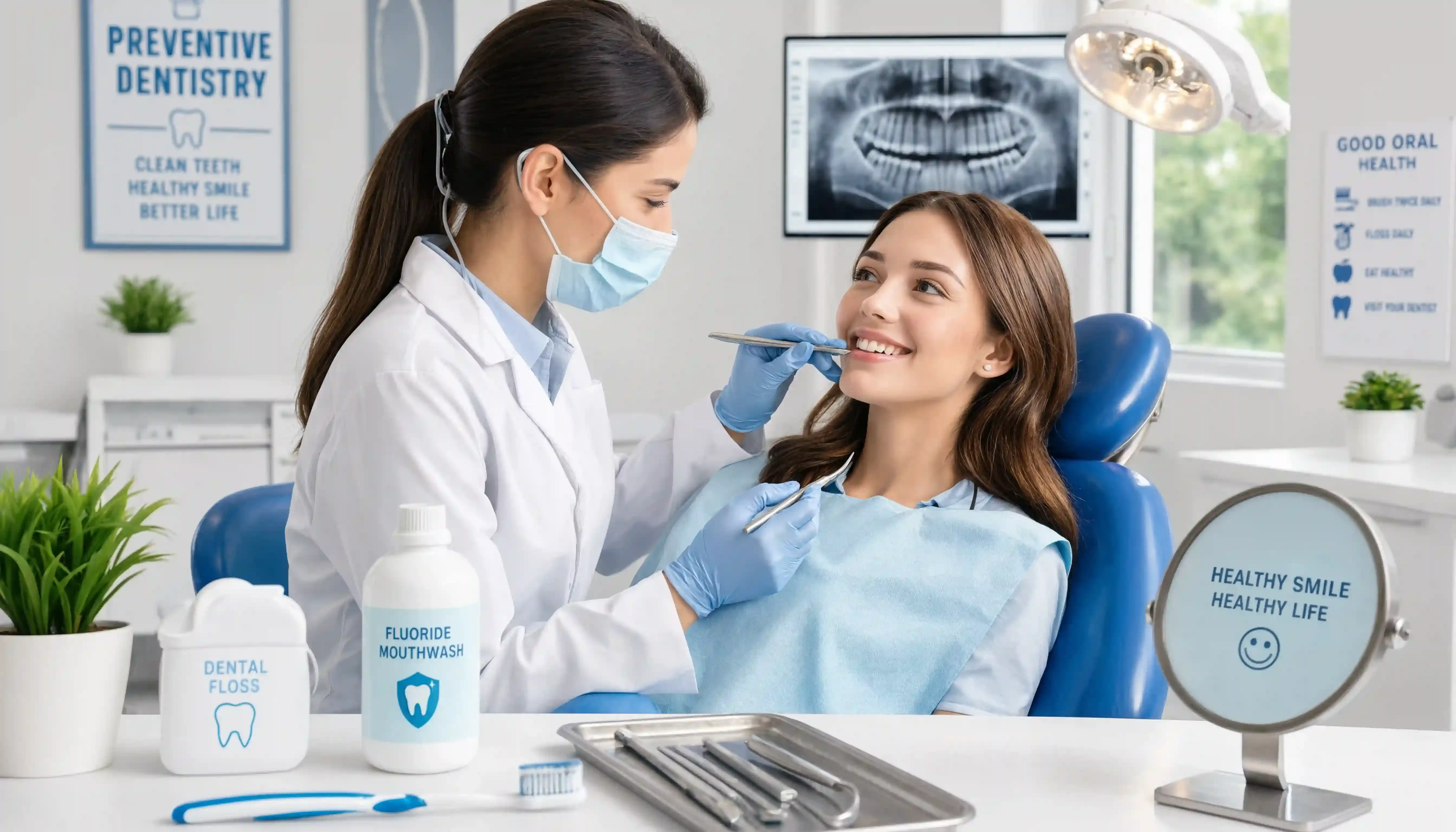
Preventive dental care typically includes:
- Routine dental examinations
- Professional teeth cleaning
- Fluoride treatments (when needed)
- Dental X-rays
- Oral cancer screenings
- Patient education
- Dietary counseling
- Early diagnosis of dental conditions
Together, these measures help detect problems early and reduce the likelihood of more complicated procedures in the future.
Why Prevention Is Better Than Treatment
Dental conditions rarely appear overnight. Most begin as minor issues that gradually worsen if left untreated.
For example:
- A tiny cavity can eventually require a root canal.
- Mild gingivitis can progress to advanced periodontal disease.
- Small cracks in teeth may become fractures requiring crowns or extractions.
Preventive dentistry allows these issues to be identified and managed before they become more serious, helping patients avoid unnecessary discomfort and costly treatments.
The Key Benefits of Preventive Dentistry
Preserves Natural Teeth
The primary goal of preventive care is to help patients keep their natural teeth healthy for as long as possible.
Early intervention reduces the need for invasive procedures while maintaining the strength and function of the natural dentition.
Reduces the Risk of Tooth Decay
Routine examinations and professional cleanings remove plaque and tartar that daily brushing cannot eliminate completely.
This significantly lowers the chances of developing cavities.
Supports Healthy Gums
Healthy gums form the foundation of a healthy smile.
Regular periodontal evaluations help identify early signs of gum inflammation before it progresses into more severe disease.
Saves Time and Money
Preventing dental problems is generally less expensive than treating advanced conditions.
Routine check-ups require less time than complex restorative procedures, making preventive dentistry a worthwhile long-term investment.
Daily Habits That Protect Your Teeth
Professional care is only one part of preventive dentistry. Daily habits play an equally important role in maintaining oral health.
Brush Properly Twice a Day
Using fluoride toothpaste and a soft-bristled toothbrush helps remove plaque while protecting tooth enamel.
Brushing should last at least two minutes each time.
Floss Every Day
Flossing removes plaque and food particles between the teeth where toothbrush bristles cannot reach.
Consistent flossing also helps prevent gum disease.
Limit Sugary Foods and Drinks
Frequent sugar consumption provides bacteria with the fuel needed to produce acids that damage tooth enamel.
Choosing healthier snacks and reducing sugary beverages helps minimize cavity risk.
Stay Hydrated
Saliva naturally protects teeth by neutralizing acids and washing away food particles.
Drinking plenty of water supports this natural defense mechanism.
Professional Preventive Dental Services
Routine dental appointments involve much more than checking for cavities.
Comprehensive Oral Examination
Dentists evaluate the condition of the teeth, gums, tongue, jaw joints, and surrounding tissues.
Professional Scaling and Cleaning
Specialized instruments remove hardened tartar deposits that cannot be eliminated through brushing alone.
Diagnostic Imaging
Digital X-rays allow dentists to detect hidden problems such as cavities between teeth, bone loss, impacted teeth, or infections.
Oral Cancer Screening
Regular examinations include assessment of the oral soft tissues to identify suspicious changes at an early stage.
Preventive Dentistry Across Different Stages of Life
Preventive care benefits individuals of every age.
Children
Early dental visits help monitor tooth development, encourage healthy oral hygiene habits, and reduce the risk of childhood cavities.
Teenagers
Regular examinations become especially important during orthodontic treatment and periods of rapid dental development.
Adults
Preventive care helps preserve natural teeth, identify early gum disease, and monitor existing restorations.
Older Adults
As people age, preventive dentistry helps manage issues such as gum recession, dry mouth, tooth wear, and restorative maintenance.
The Importance of Choosing an Experienced Dental Professional
Preventive dentistry is most effective when supported by comprehensive clinical evaluation and personalized patient care.
An experienced dentist not only identifies existing concerns but also recognizes subtle changes that may develop into larger problems over time. Individual risk factors, lifestyle habits, and long-term oral health goals should all be considered when creating a preventive care plan.
Receiving care from the best dentist in Kerala ensures that preventive dentistry goes beyond routine check-ups, combining modern diagnostic technology, patient education, and customized treatment strategies to help maintain healthy teeth and gums for the long term.
Warning Signs You Should Never Ignore
While routine check-ups help prevent problems, certain symptoms require prompt dental attention.
These include:
- Persistent tooth pain
- Bleeding gums
- Loose teeth
- Swollen gums
- Bad breath that does not improve
- Tooth sensitivity
- Mouth ulcers lasting longer than two weeks
- Broken or chipped teeth
Seeking early treatment often prevents these conditions from becoming more severe.
Building a Long-Term Preventive Dental Routine
Maintaining oral health is a lifelong commitment rather than a one-time effort.
A successful preventive routine includes:
- Visiting the dentist regularly
- Brushing twice daily
- Flossing every day
- Following a balanced diet
- Limiting sugary snacks
- Avoiding tobacco products
- Wearing protective mouthguards during sports
- Following professional dental advice
These habits work together to reduce disease risk while preserving oral function and aesthetics.
Final Thoughts
Preventive dentistry is one of the smartest investments you can make in your oral health. Rather than waiting for pain or visible dental problems to appear, regular check-ups and good daily habits allow potential issues to be detected and managed early.
From protecting your natural teeth to reducing the need for complex procedures, preventive care supports healthier smiles at every stage of life. By combining consistent home care with regular professional evaluations, you can enjoy strong teeth, healthy gums, and greater confidence in your smile for many years to come.