Eyelash enhancements are often seen as a modern beauty phenomenon, but the desire for longer, darker, and more expressive lashes dates back thousands of years. From the ancient Egyptians who used kohl and ointments to today's high-tech serums and precision extensions, humanity's quest for captivating lashes has evolved dramatically. This historical journey reveals how cultural ideals, technological advancements, and scientific discoveries have shaped the way we enhance our lashes, offering a fascinating glimpse into the enduring power of beauty.
Ancient Civilizations: The Birth of Lash Enhancement
The earliest recorded use of eyelash enhancements comes from ancient Egypt, where both men and women applied kohl—a dark powder made from soot, lead, and animal fat—to their lashes and eyelids. Kohl served multiple purposes: it protected the eyes from the harsh sun, warded off infections, and was believed to have spiritual significance. Egyptians also used natural oils like castor oil to nourish and thicken lashes. Similarly, ancient Romans and Greeks used burnt cork and ash mixtures to darken their lashes, while women in ancient India used kohl and herbal pastes for both beauty and medicinal reasons. These early practices laid the foundation for the lash enhancements we know today.
Interestingly, many of these ancient ingredients are still used in modern formulations. For example, castor oil remains a popular natural remedy for lash growth, and the principles of using dark pigments to define the eyes have never faded. The enduring popularity of these methods underscores the timeless appeal of lash beauty.
The Middle Ages to the 19th Century: Subtle and Symbolic
During the Middle Ages in Europe, elaborate makeup fell out of favor due to religious and social constraints, but eyelash care persisted in more subtle forms. Women used almond oil and rose water to condition their lashes, and some even used walnut husk extracts to darken them. In the East, particularly in China and Japan, lash enhancement was less emphasized compared to other facial features, though rice powder and plant-based dyes were occasionally used.
The 19th century brought a revival of makeup, with the Victorians favoring a natural look. However, they still sought ways to emphasize lashes, often using a mixture of elderberry juice and soot as a safe, homemade mascara. This era also saw the invention of the first commercial mascara—a simple cake of coal dust and petroleum jelly—by a French perfumer in the 1850s. This innovation marked the beginning of the modern cosmetics industry.
The 20th Century: Mass Production and Innovation
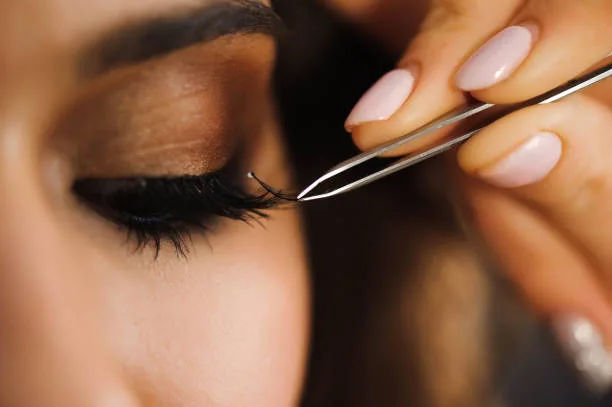
The 1900s witnessed explosive growth in lash enhancement technologies. In 1915, T.L. Williams, inspired by his sister's homemade mascara, created Maybelline, the first mass-market mascara brand. Soon after, false eyelashes were invented—first for Hollywood actresses, who needed dramatic lashes for silent films. In the 1930s, fake lashes became widely available, initially made from human hair and later from synthetic fibers. The 1960s introduced waterproof mascara, and the 1990s brought the first lash extension techniques using synthetic fibers and strong adhesives, which laid the groundwork for today's semi-permanent extensions.
Throughout this period, the role of a best eyelash manufacturer became increasingly important, as brands competed to create more realistic, comfortable, and long-lasting products. The rise of eyelash wholesale distribution also made these products more accessible to salons and consumers worldwide.
The 21st Century: Science and Personalization
Today, lash enhancements are more advanced than ever. Eyelash growth serums with clinically proven ingredients like prostaglandin analogs and peptides can naturally extend the growth phase of lashes. Extensions come in countless lengths, curls, colors, and materials—from mink to silk to synthetic. Volume, hybrid, and mega-volume techniques allow for customizable fullness, and even lash lifts and tints offer low-maintenance alternatives. The industry has also embraced clean beauty, with many brands offering hypoallergenic and cruelty-free products.
Technological innovations continue to emerge, including smart applicators, precision bonding tools, and even biotech-grown lashes. The modern consumer can choose from a wide array of products, whether they prefer a natural look or full-on glamour. This diversity is supported by a global network of lash extension supplier businesses that ensure quality and consistency.
Cultural Shifts and the Future
Throughout history, lash enhancements have reflected societal norms, from the spiritual use of kohl to the cinematic glamour of old Hollywood to today's emphasis on personal expression. Social media has democratized beauty, allowing anyone to learn techniques and share trends. The future promises even more exciting developments, such as lash-printing technology, AI-assisted design, and sustainable materials that minimize environmental impact.
As we look back, we see that the desire for beautiful lashes is a universal and enduring human trait. From ancient oils to high-tech serums, each era has contributed to the rich tapestry of lash enhancement history. Today, we stand on the shoulders of these pioneers, able to achieve any lash look we desire—safely, effectively, and beautifully.
Conclusion
The history of eyelash enhancements is a testament to human ingenuity and our endless pursuit of beauty. By understanding where we've come from, we can appreciate the incredible variety and sophistication of modern lash products. Whether you use a simple natural oil, a high-end serum, or professional extensions, you are part of a tradition that spans millennia—and that is a beautiful thing indeed.