Moisture is one of the most important factors influencing pest behaviour. Many homeowners focus on removing visible pests without addressing the conditions that attracted them in the first place. In reality, excess moisture often serves as the foundation for recurring infestations. Specialists at Pest Control Columbus regularly identify water-related issues that contribute directly to pest problems and help homeowners eliminate the source rather than simply treating the symptoms.
Why Pests Are Attracted to Moisture
Like all living creatures, pests require water to survive. Damp environments provide hydration, support breeding cycles, and create favourable living conditions for many species.
Areas with consistent moisture become highly attractive to insects and rodents looking for reliable resources. Once pests establish themselves in these locations, infestations can develop quickly.
Plumbing Leaks Create Ideal Conditions
Even minor plumbing leaks can attract pests over time. Slow drips beneath sinks, leaking pipes behind walls, and damaged fittings create damp environments that often remain unnoticed for long periods.
These hidden moisture sources are particularly attractive to cockroaches, ants, and silverfish.
Routine plumbing inspections are one of the simplest ways to reduce pest risks.
Poor Ventilation Encourages Infestations
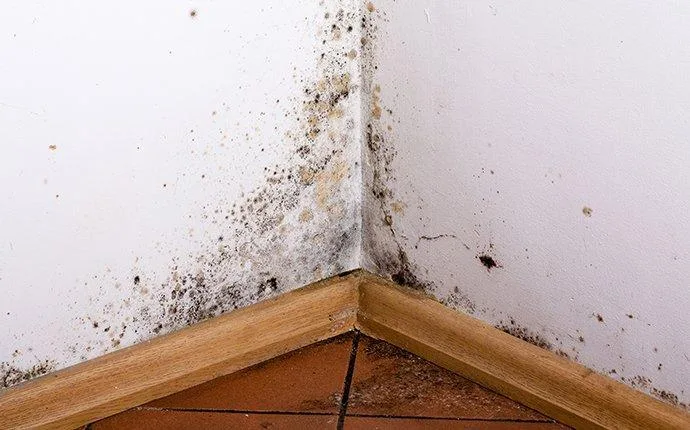
Bathrooms, laundry rooms, basements, and crawl spaces often suffer from poor airflow. When humidity levels remain high, condensation forms and creates ideal breeding conditions.
Proper ventilation helps maintain dry environments that are less appealing to pests.
Roof Leaks and Gutter Problems
Damaged roofing and blocked gutters frequently contribute to pest activity. Water accumulation around foundations or inside roof cavities creates opportunities for insects and rodents seeking moisture and shelter.
Regular roof maintenance can prevent both water damage and pest infestations.
Damp Soil Around Foundations
Poor drainage systems often allow water to collect near building foundations. This damp soil attracts insects and increases the likelihood of pests moving indoors.
Improving drainage and directing water away from the home significantly reduces this risk.
Moisture Supports Pest Reproduction
Many pests reproduce more successfully in humid environments. Higher moisture levels support egg development and improve survival rates for young pests.
This means even a small water issue can eventually lead to a large infestation if ignored.
Prevention Starts With Moisture Control
The most effective long-term pest prevention strategy often involves moisture management rather than chemical treatments alone.
Repairing leaks, improving airflow, maintaining gutters, and monitoring humidity levels create environments that are naturally less attractive to pests.
Conclusion
Moisture and pest infestations are closely connected. Leaks, poor ventilation, drainage problems, and humidity all contribute to increased pest activity. By addressing water-related issues early, homeowners can significantly reduce the likelihood of recurring infestations and protect their homes from long-term damage.