
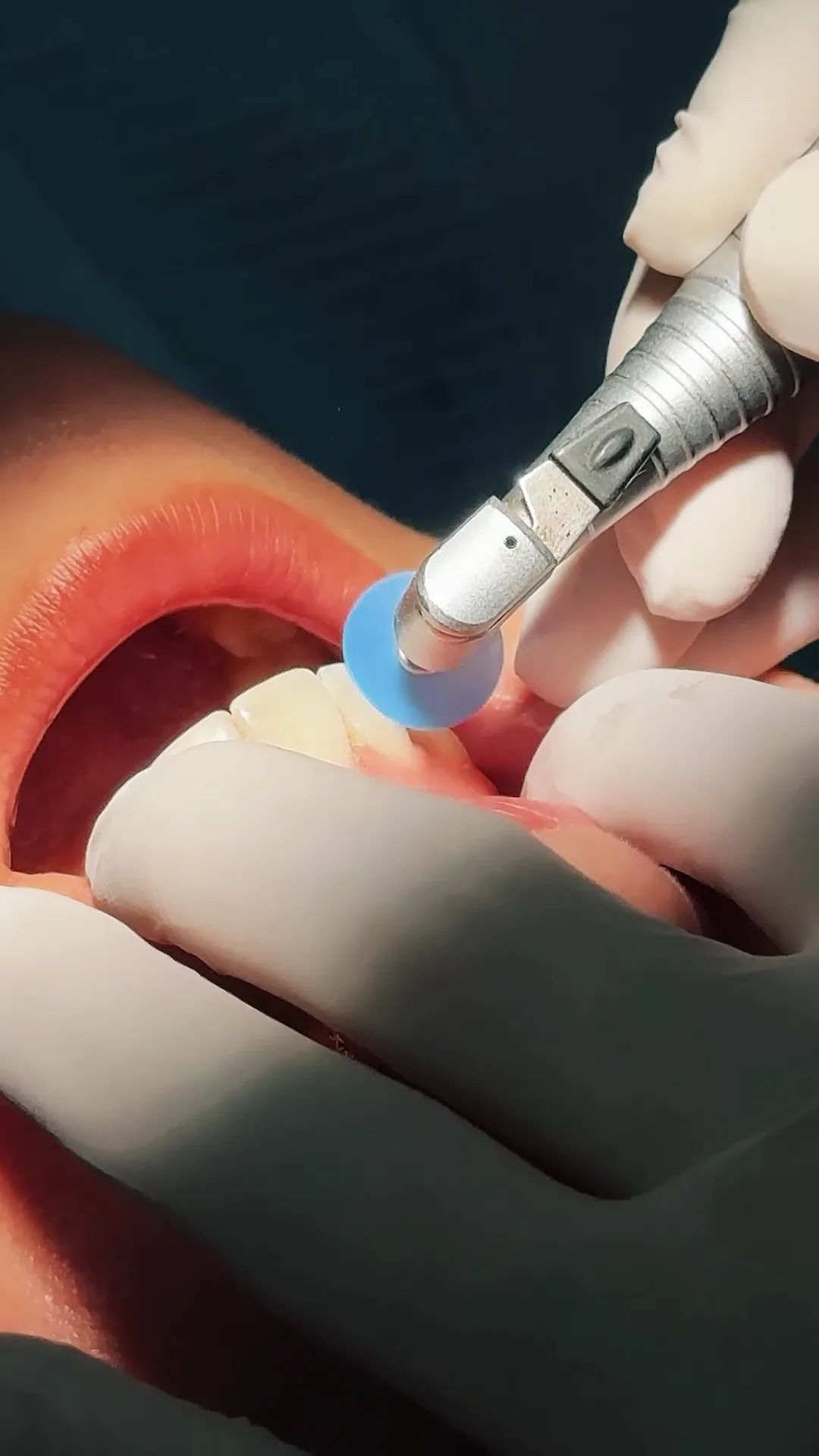
The field of cosmetic dentistry has entered a new era, moving past the days of generic, one-size-fits-all treatments and tooth sensitivity. Today, achieving a bright smile is focused equally on safety, long-term enamel care, and advanced technology.
Modern dental solutions are designed to deliver highly predictable, uniform results while proactively protecting your teeth and gums. Whether you are looking for rapid, in-office brightness or professional-grade comfort at home, seeking a customized dental whitening treatment ensures your cosmetic journey is fully optimized for your unique dental structure.
Violet LED Technology: The New Benchmark for In-Office Precision
For patients seeking immediate and long-lasting shade transformation, professional in-office whitening remains the gold standard. However, the technology powering these clinical sessions has advanced significantly.
While traditional setups rely on blue or white lights, the latest forward-thinking dental clinics utilize advanced violet LED light systems operating at a precise wavelength of 405 to 410 nanometers.
This specific violet light wavelength activates bleaching gels much more efficiently. It accelerates the breakdown of complex stain molecules into colorless fragments without creating excess heat. For the patient, this means a major step forward: achieving maximum shade improvement in a single 30-minute session while completely avoiding the thermal stress and sharp sensitivity often caused by older light systems.
The Science of Enamel-Safe Brightening: Hydrogen vs. Carbamide Peroxide
At the core of any professional whitening treatment is controlled oxidation. To achieve a perfectly even shade, modern dental systems balance two primary active ingredients based on a patient’s unique oral anatomy:
- Hydrogen Peroxide: Fast-acting and highly potent. It breaks down rapidly into water and oxygen, instantly launching an oxidation cascade to lift deep discoloration. It is the primary choice for immediate, in-office transformations.
- Carbamide Peroxide: A compound of hydrogen peroxide mixed with urea. It breaks down at a slower, more controlled rate. This gradual release makes it exceptionally gentle, making it the ideal choice for custom-fitted, take-home maintenance systems.
By customizing the concentrations and active ingredients, dental professionals can target both surface-level extrinsic stains (from coffee, tea, or dark sodas) and deep intrinsic discoloration within the dentin, all while maintaining absolute enamel safety.
Clinical Treatment vs. Mass-Market Alternatives
When planning a smile transformation, patients frequently weigh the advantages of customized clinical care against over-the-counter retail options like commercial whitening strips.
FeatureProfessional In-Office SystemRetail Whitening StripsActive ConcentrationHigh-strength (25%–40% peroxide)Low-strength consumer gradeApplication Time30 to 60 minutes for instant resultsWeeks of daily, unmonitored wearSoft-Tissue ProtectionComplete: Liquid rubber dams insulate gumsNone: Slipping gel can irritate gumsShade ConsistencyPerfectly uniform across all teethRisk of patchy or uneven spotsLongevityStays stable for 12 to 24 monthsRequires frequent, repetitive touch-upsWhile over-the-counter products offer a lower-cost option for minor upkeep, their "one-size-fits-all" design struggles to sit flat against unevenly spaced or rotated teeth. Furthermore, unmonitored home bleaching carries a higher risk of gum irritation and lingering sensitivity if the gel makes contact with delicate soft tissues.
The Vital Role of Pre-Treatment Screenings
To ensure a safe and successful cosmetic journey, a comprehensive pre-treatment screening by experienced dental surgeons is an essential first step.
Important Clinical Rule: Whitening gels are formulated exclusively for natural tooth enamel. They will not alter the shade of synthetic dental work, including composite resin fillings, porcelain crowns, veneers, or bridges.
If a whitening treatment is applied without a professional assessment, natural teeth will brighten while existing dental work keeps its original color, resulting in an uneven, multi-shaded smile. A dentist can systematically map out your treatment—brightening your natural enamel first, then replacing older dental restorations to match your new, radiant shade perfectly.
Additionally, a pre-treatment check ensures that underlying issues like micro-fractures, exposed root surfaces, or active cavities are fully resolved. Sealing these areas beforehand prevents whitening gels from reaching internal nerve pathways, ensuring your entire procedure is completely comfortable.
Smart Post-Whitening Maintenance and Longevity
Temporary tooth sensitivity can occasionally occur after a whitening session as microscopic pores in the enamel open slightly during the oxidation process. This minor side effect is completely normal and typically goes away on its own within 24 to 48 hours. Modern dental teams actively minimize this by applying professional fluoride varnishes or desensitizing gels immediately following your treatment.
To lock in your results and protect your investment, following a few simple maintenance steps is highly recommended:
- The 48-Hour Window: Avoid highly pigmented items like black coffee, dark teas, red wine, and soy sauce immediately after your session while your enamel pores finish closing.
- Daily Oral Hygiene: Brush twice a day with a soft-bristled brush, flossing daily, and use a non-abrasive, enamel-safe toothpaste.
- Routine Care: Schedule regular professional cleanings to prevent new surface stains from building up.
According to official oral health frameworks published by the American Dental Association (ADA), maintaining a consistent daily oral hygiene routine is the single most effective way to keep your whitening results looking beautiful for months to come. By combining cutting-edge clinical technology with a dedicated home care routine, you can safely enjoy a brilliant, healthy, and uniformly bright smile that lasts.