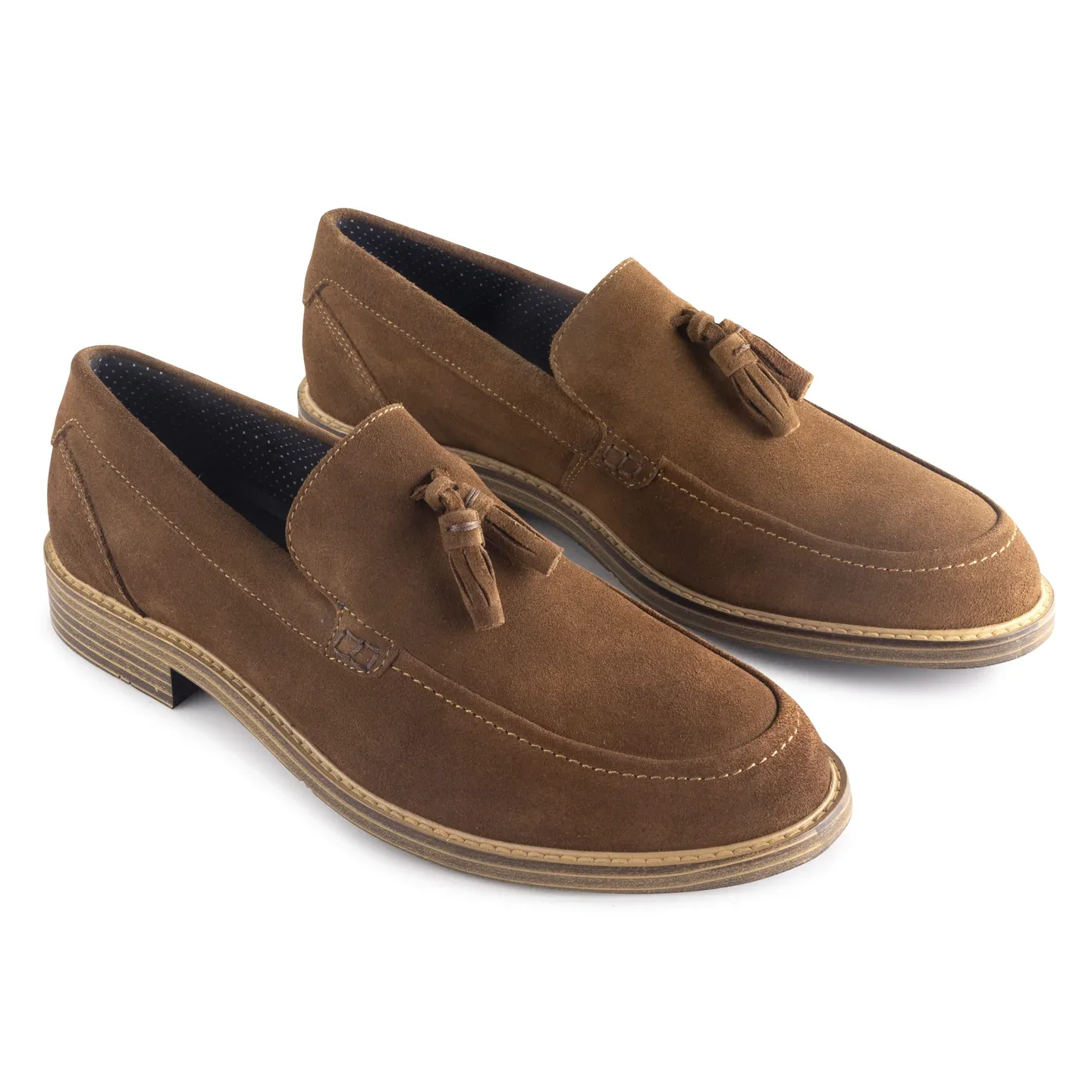
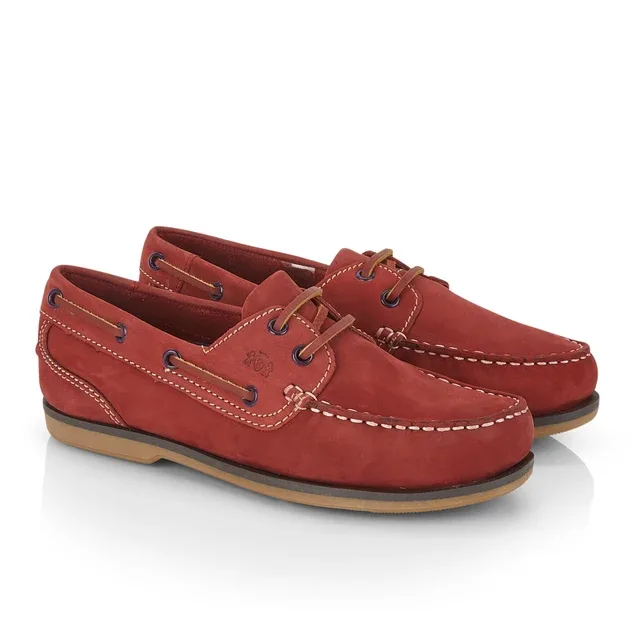
There's nothing quite like the feeling of sand between your toes on a warm afternoon, but anyone who has ever hopped across scorching pavement or winced over hidden pebbles knows that bare feet aren't always practical. That's where the right footwear comes in. Choosing good beach shoes for women isn't just about looking the part on holiday; it's about protecting your feet, staying comfortable for hours at a time, and making the most of every seaside trip, whether that's a weekend by the British coast or a fortnight abroad.
In this guide, we'll walk through what actually matters when picking beach footwear, the materials worth paying attention to, and a few practical tips for keeping your shoes in good condition long after summer ends.
Why the Right Footwear Makes All the Difference
It's easy to assume any old pair of flip-flops will do the job. In practice, though, a poorly chosen pair can leave you with blisters, slips on wet rocks, or shoes that fall apart halfway through your holiday. Good beach shoes for women should tick a few boxes: they need to dry quickly, grip well on both sand and wet surfaces, and be light enough that you barely notice you're wearing them.
Think about the range of surfaces you'll actually encounter. A promenade might be smooth, but the walk down to the water often involves shingle, seaweed, or sun-baked rock. Shoes designed with proper tread and a supportive sole make walking far less of an ordeal, and they mean you can spend more time enjoying the view and less time watching where you step.
What to Look for When Choosing Beach Shoes for Women
Not all beach footwear is built the same, so it's worth thinking through a short checklist before you buy:
- Breathability: Look for mesh panels or perforated designs that let water drain and air circulate, so your feet don't end up damp and uncomfortable.
- Grip: A textured rubber sole prevents slipping on wet decking, rocks, or pool surrounds.
- Fit: Adjustable straps or a snug elasticated design stop shoes from slipping off in the surf.
- Weight: Lightweight materials mean less fatigue if you're walking any real distance along the shore.
- Durability: Salt water and sand are tough on cheap materials, so a sturdier construction pays off over a season of wear.
A well-made pair of sandals or water shoes ticks most of these boxes at once, and getting the balance right between comfort and practicality is really the whole point of shopping for holiday footwear in the first place.
Materials That Actually Hold Up
The material makes a bigger difference than most people expect. Rubber and EVA foam soles are popular because they're naturally water-resistant and tend to bounce back into shape rather than going flat after a few wears. Uppers made from quick-drying synthetic fabric or neoprene are worth seeking out too, since they won't hold onto moisture the way canvas or leather can.
Some brands blend classic styling with these practical materials rather well. Catesby England, for instance, has built a reputation over the years for footwear that pairs a traditional, considered look with genuine attention to comfort, which is a useful reminder that beach-appropriate shoes don't have to sacrifice style for practicality.
Popular Styles Worth Considering
There's more variety out there than the standard flip-flop. A few styles consistently perform well for coastal days out:
Slip-on espadrilles offer a relaxed, holiday feel and work nicely for beachside cafés as well as the sand itself, provided the sole is treated to resist damp.
Water shoes with a closed or semi-closed front give better protection for rockier coastlines, rivers, or paddling with children, and they're a sensible choice if you know the terrain will be uneven.
Classic leather-look sandals, when finished with a durable, weather-resistant sole, bridge the gap between smart-casual and beach-ready. Labels such as Catesby England have leaned into this kind of design, showing that a shoe can look put-together while still coping with sand and salt spray.
Slides and flip-flops remain the simplest option for short walks between the towel and the water, though they're less suited to longer excursions or uneven ground.
Whichever style you lean towards, trying shoes on with the socks or bare feet you'll actually wear them with is a small step that saves a lot of discomfort later.
Caring for Your Beach Shoes for Women
Even the best-made footwear benefits from a bit of care. Rinsing shoes in fresh water after a day at the beach removes salt and sand that would otherwise work into seams and stitching over time. Leaving them to air dry naturally, rather than placing them near direct heat, helps prevent rubber soles from cracking or foam from losing its shape.
It's also worth storing beach shoes somewhere they can breathe rather than sealed in a bag while still damp, as trapped moisture is one of the quickest ways to shorten the life of any pair of shoes. Brands like Catesby England often note that simple maintenance, such as keeping footwear clean and properly dried, goes a long way towards extending the life of well-constructed shoes, and that advice holds true regardless of which pair you own.
Final Thoughts
Finding the right beach shoes for women doesn't need to be complicated. Focus on breathability, grip, and a fit that stays secure even when wet, and you'll already be ahead of most holiday shoppers making a last-minute decision in an airport shop. Pay attention to materials, choose a style that suits how you'll actually spend your time by the coast, and give your shoes a little care after each outing.
Get these basics right, and you'll have footwear that keeps you comfortable from the first morning walk along the shore to the last sunset stroll of the holiday, ready to be packed away and brought out again next summer without missing a beat.