
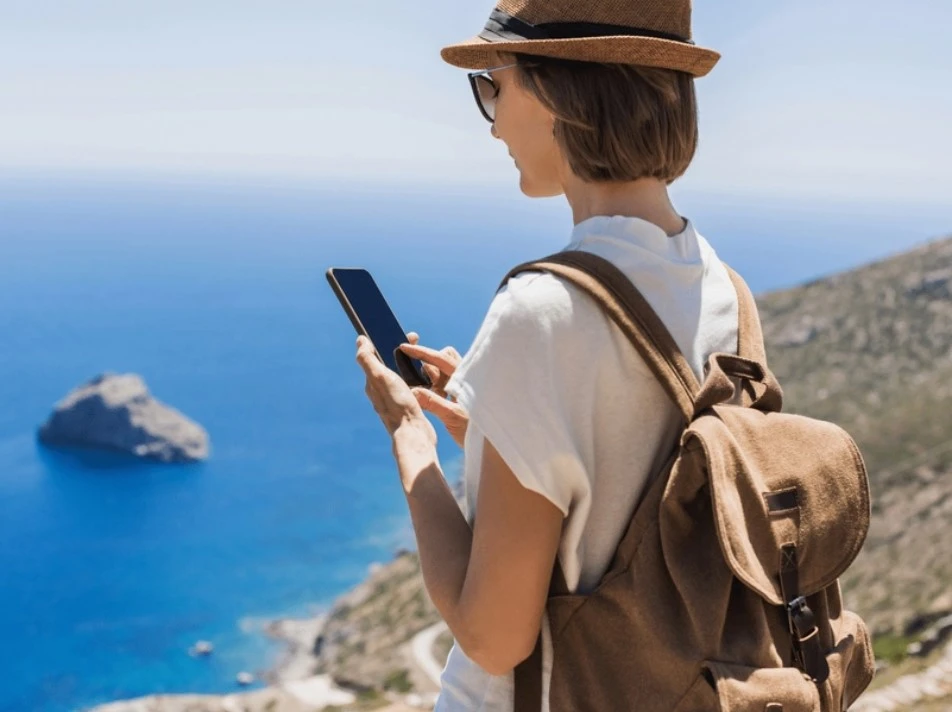
Traveling solo is one of the most rewarding experiences you can have. You get to set your own pace, follow your own interests, and grow in ways you never imagined. But let’s be honest—traveling alone also comes with a few challenges. Safety, communication, and staying connected can be tricky when you're on your own.
Thankfully, technology has made solo travel smarter, safer, and more connected than ever before. Whether you're a first-time solo adventurer or a seasoned nomad, here’s how tech can become your travel buddy.
1. Stay Connected Wherever You Go
Being able to access the internet is more than a convenience—it’s a safety net. With tools like international eSIMs (like Airalo or Holafly) or portable Wi-Fi devices, you can stay online almost anywhere in the world. No more hunting for café Wi-Fi or worrying about huge roaming charges.
With internet access, you can:
- Message friends or family back home
- Use maps and translation apps
- Book rides or accommodations on the go
- Share your live location for extra peace of mind
2. Navigation Without Stress
Getting lost can be part of the adventure—unless you're alone, in the dark, and your phone battery is dying. Apps like Google Maps, MAPS.me, or Citymapper are must-haves for solo travelers. Many even work offline if you download your route in advance.
Pro tip: Always carry a small power bank to keep your phone charged while you’re out exploring.
3. Keep Loved Ones in the Loop
Solo travel doesn't mean disappearing off the grid. Apps like Life360, Find My, or even WhatsApp’s live location sharing allow you to keep friends or family updated on where you are. It’s simple, and it adds an extra layer of safety.
Some travelers also use apps like Polarsteps or Journi to create a visual journal of their trip. It’s a great way to keep everyone back home in the loop—and makes for awesome memories later.
4. Safety First, Always
Safety should always come first when you're traveling alone. Tech can help in some big ways:
- Smart Traveler app (by the U.S. government) offers travel alerts, emergency numbers, and embassy contacts.
- GeoSure gives you real-time safety ratings for neighborhoods around the world, including data on women’s safety, LGBTQ+ friendliness, and health concerns.
- Use ride-sharing apps like Uber or Lyft instead of hailing random taxis, especially late at night.
And don’t forget simple steps like carrying digital copies of your ID, passport, and travel insurance in secure cloud storage (like Google Drive or Dropbox).
5. Translation and Communication Made Easy
Language barriers can be tough when you're alone, but apps like Google Translate, iTranslate, or SayHi make communication much easier. Many of these tools can even translate text from signs or menus using your phone camera—perfect for navigating new places.
Also, using apps like Duolingo before your trip helps you pick up key phrases, which can go a long way in making local connections.
6. Meet People Safely
Just because you’re traveling solo doesn’t mean you have to be alone the whole time. Apps like:
- Meetup – for local events and group activities
- Couchsurfing Hangouts – to meet other travelers
- Tinder/Bumble BFF – for making friends or travel buddies
- can help you safely connect with people nearby who share your interests.
Always meet in public places and trust your gut when meeting strangers—tech helps, but your instincts are your best safety tool.
Final Thoughts
Solo travel is empowering, exciting, and full of possibilities. With the right technology in your pocket, you can explore the world with more confidence, connection, and freedom than ever before.
From staying in touch with loved ones to navigating unknown streets, tech tools are the ultimate travel companions—always there when you need them, but never telling you what to do.
So, charge your phone, download your favorite apps, and go create your own adventure. The world is waiting for you.