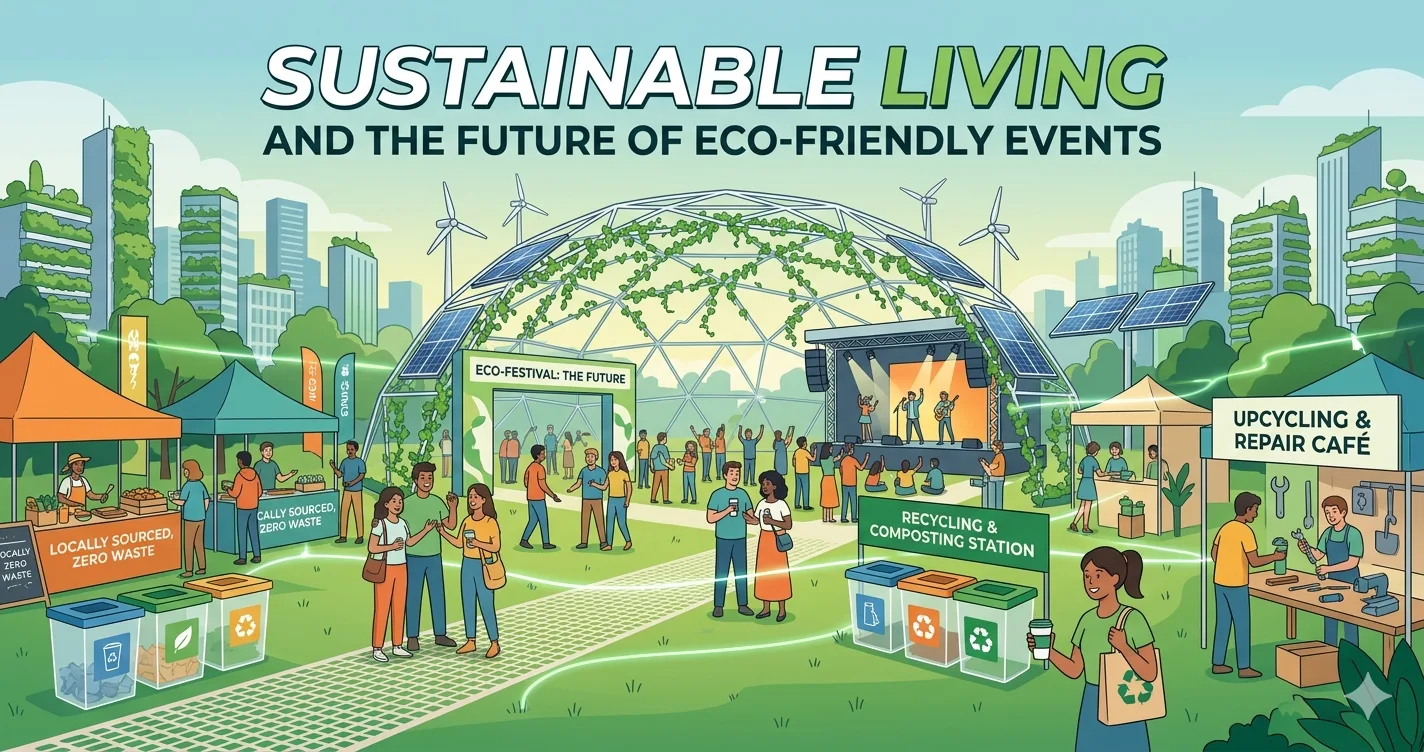
Sustainability has become one of the most important global priorities in recent years. As climate change, resource depletion, and pollution continue to rise, individuals and organizations are being encouraged to rethink how they consume resources and design their activities. Whether it is daily lifestyle choices or large-scale corporate events, adopting sustainable practices is now essential for long-term environmental balance and social well-being.
Global frameworks like the United Nations Sustainable Development Goals (SDGs) emphasize responsible consumption, climate action, and environmental protection as key pillars for a healthier future. In particular, SDG 12 highlights the importance of sustainable consumption and production patterns, which directly influence how societies manage waste and natural resources UN SDG 12.
Understanding Sustainability in Modern Life
Sustainability refers to the ability to meet present needs without compromising the ability of future generations to meet theirs. It is a broad concept that includes environmental protection, economic stability, and social responsibility.
In everyday life, sustainability can be seen in simple actions such as reducing plastic usage, saving electricity, conserving water, and choosing environmentally friendly products. These small habits collectively make a significant impact when adopted by large populations.
According to the U.S. Environmental Protection Agency (EPA), sustainable materials management helps reduce waste generation and conserves natural resources by focusing on the entire lifecycle of products—from production to disposal EPA Sustainable Materials Management.
This approach shifts the focus from simply managing waste to preventing it in the first place, which is a more effective and long-term solution.
The Environmental Impact of Events
Events such as conferences, weddings, exhibitions, and festivals bring people together, but they also generate large amounts of waste and carbon emissions. Single-use plastics, excessive energy consumption, printed materials, and food waste are common environmental concerns associated with traditional event planning.
As awareness increases, event organizers are now moving toward more sustainable methods that reduce environmental damage while still delivering high-quality experiences.
The international standard ISO 20121 provides a structured framework for managing events in a sustainable way. It helps organizations improve environmental performance, reduce waste, and ensure social responsibility throughout the event lifecycle ISO 20121 Standard.
Key Principles of Sustainable Event Management
Sustainable event management is built on several core principles that help minimize environmental impact:
1. Waste Reduction
Reducing waste is one of the most important goals. This includes avoiding single-use plastics, using reusable materials, and implementing recycling systems.
2. Energy Efficiency
Using energy-efficient lighting, renewable energy sources, and optimized transportation helps reduce carbon emissions.
3. Digital Transformation
Replacing printed materials with digital invitations, e-tickets, and online communication reduces paper consumption significantly.
4. Responsible Catering
Choosing local and seasonal food options reduces transportation emissions and supports local economies. Food waste management is also a key component.
5. Sustainable Procurement
Working with eco-friendly vendors ensures that materials and services used during events align with sustainability goals.
These principles not only protect the environment but also improve brand reputation and attendee satisfaction.
The Growing Importance of Eco-Friendly Event Solutions
With increasing environmental awareness, businesses and individuals are actively seeking solutions that reduce their ecological footprint. Sustainable events are no longer seen as optional; they are becoming the standard in many industries.
Organizations now understand that responsible event planning reflects positively on their brand image and demonstrates commitment to global environmental goals. This shift is also driven by consumer demand, as more people prefer to engage with environmentally responsible companies.
A growing number of platforms are supporting this transformation by offering eco-conscious event planning services. One such resource is GreenMyna sustainable event solutions, which focuses on promoting environmentally responsible event management practices. By encouraging the use of greener strategies, it helps organizers reduce environmental impact while maintaining event quality and efficiency.
Benefits of Sustainable Practices in Events
Adopting sustainability in events provides multiple benefits:
Environmental Benefits
- Reduction in carbon emissions
- Lower waste generation
- Conservation of natural resources
Economic Benefits
- Reduced operational costs through energy savings
- Efficient resource utilization
- Long-term financial sustainability
Social Benefits
- Increased community awareness
- Improved public health outcomes
- Stronger stakeholder engagement
These combined benefits demonstrate that sustainability is not just an ethical choice but also a practical and strategic one.
Challenges in Implementing Sustainability
Despite its advantages, implementing sustainable practices can be challenging. Some of the common obstacles include:
- Higher initial costs for eco-friendly materials
- Lack of awareness or training
- Limited access to sustainable suppliers in some regions
- Resistance to change in traditional event planning methods
However, these challenges are gradually being addressed through innovation, policy support, and growing market demand for sustainable solutions.
Practical Steps Toward Greener Events
Anyone involved in event planning can take practical steps to improve sustainability:
- Choose venues that follow green building standards
- Use digital platforms for invitations and registrations
- Encourage public transport or shared travel options
- Minimize food waste through better planning
- Partner with environmentally responsible service providers
Even small improvements can significantly reduce environmental impact when applied consistently.
The Future of Sustainability
The future of sustainability lies in innovation, collaboration, and awareness. As technology evolves, new tools are making it easier to track carbon footprints, optimize resource usage, and improve efficiency.
Governments, businesses, and individuals all have a role to play in building a more sustainable world. Education and awareness are key drivers that will shape future behaviors and decision-making.
Organizations that embrace sustainability early are more likely to succeed in a future where environmental responsibility becomes a standard expectation rather than an option.
Conclusion
Sustainability is no longer an optional concept; it is a necessity for survival and progress. From daily habits to large-scale events, every action contributes to the global environmental impact. By adopting eco-friendly practices, reducing waste, and supporting responsible organizations, we can collectively build a healthier and more balanced future.
Platforms like GreenMyna demonstrate how innovation and sustainability can work together to transform the event industry. With continued effort and awareness, a greener future is not only possible—it is already within reach.