Summer in Los Angeles brings long sunny days and endless opportunities for outdoor adventures with your dog. The San Fernando Valley offers beautiful parks, hiking trails, and dog-friendly spaces that make the season special. Yet the intense California heat creates real risks that every dog owner must understand. Your pup relies on you to keep them safe while still enjoying everything the Valley has to offer. With smart planning and simple precautions, you can create wonderful summer memories while protecting your dog's health and well-being.
The Valley experiences some of the highest temperatures in the Los Angeles area. Neighborhoods like Van Nuys, Panorama City, and Valley Glen often see temperatures climb well above what is safe for dogs. Understanding these risks and taking proactive steps ensures your dog stays happy and healthy throughout the summer months.
Understanding How Heat Affects Dogs
Dogs handle heat differently than humans. They cannot cool themselves through sweating as we do. Instead, dogs rely primarily on panting to regulate their body temperature. This system is less efficient, making dogs much more vulnerable to heat-related illness. According to the American Veterinary Medical Association, dogs can develop heatstroke when their body temperature rises above 103 degrees Fahrenheit.
Certain factors increase your dog's risk. Brachycephalic breeds like Bulldogs, Pugs, and Boxers have shortened airways that make panting less effective. Dogs with thick coats, senior dogs, puppies, and those with heart or respiratory conditions face higher risks. Even healthy dogs can suffer in extreme heat, especially in areas like Studio City where the sun reflects off concrete and asphalt, amplifying the temperature.
Recognizing the signs of heat stress is crucial for every dog owner. Excessive panting, drooling, bright red gums, lethargy, and stumbling all signal that your dog is struggling. In severe cases, dogs may vomit, have diarrhea, or collapse. Immediate action is necessary when you observe these symptoms.
Smart Timing for Outdoor Activities
When you plan outdoor activities makes a significant difference in your dog's safety. The sun's intensity peaks between 10 a.m. and 4 p.m. during summer months. Schedule walks and park visits for early morning or evening hours when temperatures are cooler and the sun is less intense.
Early morning walks through your neighborhood in Valley Glen or Panorama City allow your dog to exercise comfortably. The pavement is cooler, and the air is fresher. Evening outings after sunset provide another safe window for outdoor time. Your dog still receives essential exercise and mental stimulation without the dangerous heat exposure.
Protecting Paws from Hot Surfaces
The ground temperature on Valley sidewalks can reach dangerous levels even when the air temperature seems manageable. Asphalt and concrete absorb and radiate heat throughout the day. A simple test protects your dog's paws. Place the back of your hand on the pavement for seven seconds. If it is too hot for your hand, it is too hot for your dog's paws.
Burned paw pads cause significant pain and can lead to infection. If you must go out during warmer hours, consider protective booties designed for hot weather. Stick to grassy areas in parks like those in Sherman Oaks or Van Nuys where the ground stays cooler. Shaded paths offer additional protection for sensitive paws.
Hydration Strategies for Hot Days
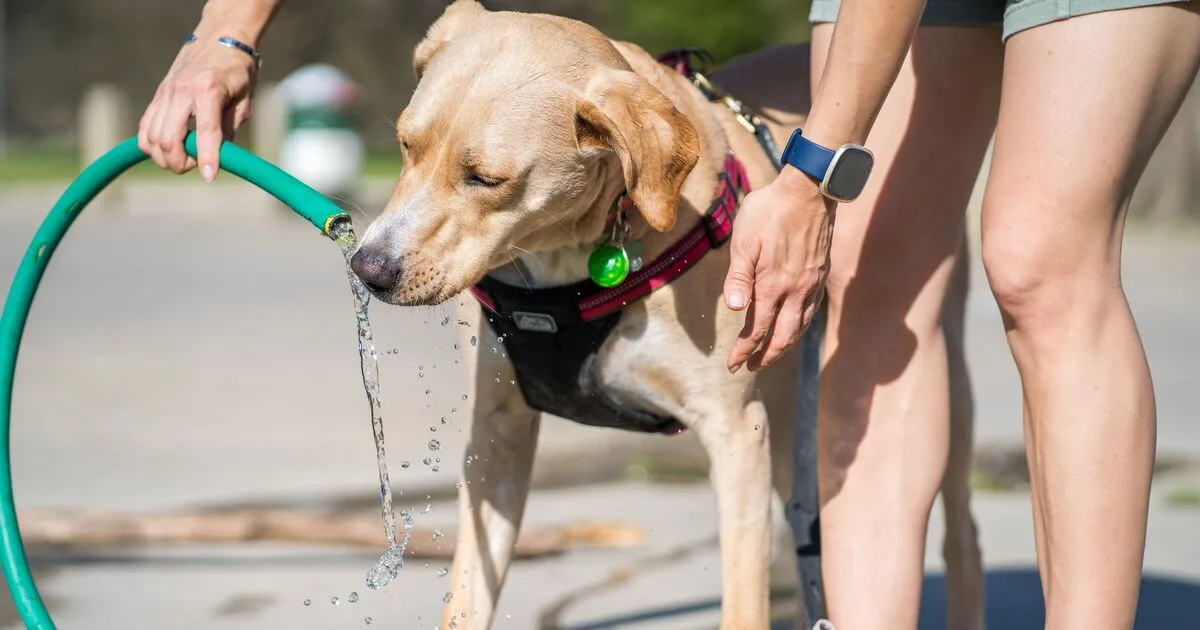
Access to fresh, cool water is essential for preventing heat-related illness. Always bring water with you on walks and outings. Portable water bottles with attached bowls make hydration easy while exploring parks or trails. Offer water frequently, not just when your dog appears thirsty.
The American Kennel Club recommends that dogs drink approximately one ounce of water per pound of body weight daily, with increased needs during hot weather and exercise. Keep multiple water bowls available in your home and yard. Add ice cubes to make water more appealing and help lower your dog's body temperature.
Watch for signs of dehydration, including dry gums, loss of skin elasticity, and excessive panting. If you suspect dehydration, move your dog to a cool area immediately and offer small amounts of water. Contact your veterinarian if symptoms persist or worsen.
Creating Cool Spaces at Home
Your home should serve as a refuge from the summer heat. Ensure your dog has access to cool, well-ventilated areas throughout the day. Tile or concrete floors stay cooler than carpet and provide a comfortable resting spot. Many dogs naturally seek out these cooler surfaces during hot weather.
Fans and air conditioning help maintain safe indoor temperatures. If you must leave your dog home alone, ensure the space remains climate controlled. Never leave dogs in garages, sunrooms, or enclosed patios where temperatures can rise rapidly. The studies warn that even with windows cracked, interior temperatures can climb to dangerous levels within minutes.
Set up a designated cooling station with fresh water, a fan, and perhaps a cooling mat. These products use special gel technology to draw heat away from your dog's body. Place the station in a shaded area away from direct sunlight. Your dog will appreciate having a reliable cool space to retreat to throughout the day.
Water Safety and Swimming Precautions
Many dogs love swimming, and the Valley offers several dog-friendly water options. However, water activities require supervision and safety precautions. Never assume your dog can swim naturally. Some breeds struggle in water, and even strong swimmers can encounter difficulties.
Introduce your dog to water gradually in calm, shallow areas. Stay close and watch for signs of fatigue. Swimming is excellent exercise but can tire dogs quickly. Always rinse your dog after swimming in pools or lakes to remove chlorine, algae, or bacteria from their coat.
Be aware of blue-green algae in natural water sources. These toxic algae can cause severe illness or death if ingested. The California Department of Public Health regularly monitors water bodies for algae blooms. Check local advisories before allowing your dog to swim in lakes or ponds around the Valley.
Recognizing and Responding to Heatstroke
Heatstroke is a life-threatening emergency that requires immediate action. Knowing the symptoms and proper response can save your dog's life. Signs include excessive panting, bright red or pale gums, rapid heartbeat, vomiting, diarrhea, collapse, and seizures.
If you suspect heatstroke, move your dog to a shaded or air-conditioned area immediately. Apply cool, not cold, water to their body. Focus on the head, neck, and chest areas. Use a fan if available to increase air circulation. Offer small amounts of cool water if your dog is conscious and able to drink.
Contact your veterinarian immediately, even if your dog appears to recover. Internal damage from heatstroke may not be immediately apparent. The Veterinary Emergency Group emphasizes that prompt veterinary care is essential for the best outcome. Prevention through smart planning remains the best strategy for protecting your dog.
Maintaining Exercise and Mental Stimulation
Hot weather does not mean your dog should skip exercise and mental enrichment. Physical activity and cognitive stimulation remain essential for your dog's well-being. Adjust your approach to accommodate the heat while still meeting your dog's needs.
Indoor training sessions provide mental exercise without heat exposure. Practice commands, teach new tricks, or use puzzle toys that challenge your dog's problem-solving skills. The American Veterinary Society of Animal Behavior notes that mental enrichment is just as important as physical exercise for canine health (AVSAB, 2023).
Short, early morning walks allow for sniffing and exploration when temperatures are safe. Vary your routes through different neighborhoods in Studio City or Van Nuys to provide novel experiences. Sniffing engages your dog's brain and provides satisfying mental work. Even fifteen minutes of focused sniffing can be more mentally tiring than a longer brisk walk.
Special Considerations for Vulnerable Dogs
Some dogs require extra precautions during summer months. Senior dogs, puppies, dogs with medical conditions, and brachycephalic breeds need careful monitoring. Consult your veterinarian about specific recommendations for your dog's individual needs.
Senior dogs may have reduced ability to regulate body temperature. They might need shorter outings and more frequent rest breaks. Puppies have developing systems that make them more vulnerable to heat. Keep their outdoor time brief and always supervise closely.
Dogs with heart conditions, respiratory issues, or obesity face elevated risks. These dogs may need to limit outdoor activities to the coolest parts of the day. Your veterinarian can provide specific guidance based on your dog's health status and help you create a safe summer routine.
Embracing Summer Safely in the Valley
Living in Los Angeles means enjoying an active outdoor lifestyle year-round. Summer brings unique challenges, but with proper precautions, you and your dog can still have wonderful experiences. The Valley offers many ways to stay cool and engaged during hot months.
Visit dog-friendly stores with air conditioning during the hottest part of the day. Plan weekend adventures to cooler mountain areas or coastal regions where temperatures are more moderate. Take advantage of early morning and evening hours for outdoor activities in local parks.
Your commitment to your dog's safety demonstrates your love and dedication. By understanding heat risks and implementing smart strategies, you protect your dog while still providing the exercise, enrichment, and experiences they need to thrive. Summer in the Valley can be safe and enjoyable with thoughtful planning and consistent care.
Your dog depends on you to navigate the challenges of California summers. With awareness, preparation, and attention to their needs, you can create a summer filled with happy, healthy moments together.
References
- Caldas, G., da Silva, B. D., & Barauna Junior, D. (2022). Heat stroke in dogs: Literature review. Veterinární Medicína, 67(7), 354–364. https://doi.org/10.17221/144/2021-vetmed
- Bradbury, J., Hall, E., & O’Neill, D. (2026). Recognising, clinically grading and managing heat‐related illness (heatstroke) in dogs. In Practice, 48(4), 190–197. https://doi.org/10.1002/inpr.70070
- Gunter, L., & Feuerbacher, E. (2022). Canine Enrichment. Animal Behavior for Shelter Veterinarians and Staff, 263–287. https://doi.org/10.1002/9781119618515.ch11
- Hot Weather Safety Tips. (n.d.). Aspca. Retrieved August 31, 2026, from https://www.aspca.org/pet-care/general-pet-care/hot-weather-safety-tips
- How to Prevent Dog Sunburn in LA This Summer. Happy Tails Inn. Retrieved August 31, 2026, from https://happytails.la/how-to-prevent-dog-sunburn-in-la-this-summer/