
The Subtle Revolution: Streaming’s Transformation of Entertainment
In early 2026, streaming platforms collectively surpassed 1.5 billion global subscribers, an unprecedented milestone that highlights how deeply ingrained streaming has become in daily entertainment habits worldwide. This shift from traditional broadcast and physical media to on-demand digital content marks one of the most profound evolutions in how audiences consume media. Yet, beneath the surface of endless content libraries and binge-watching marathons lies a complex ecosystem reshaped by cutting-edge technology, evolving consumer expectations, and fierce competition among streaming giants.
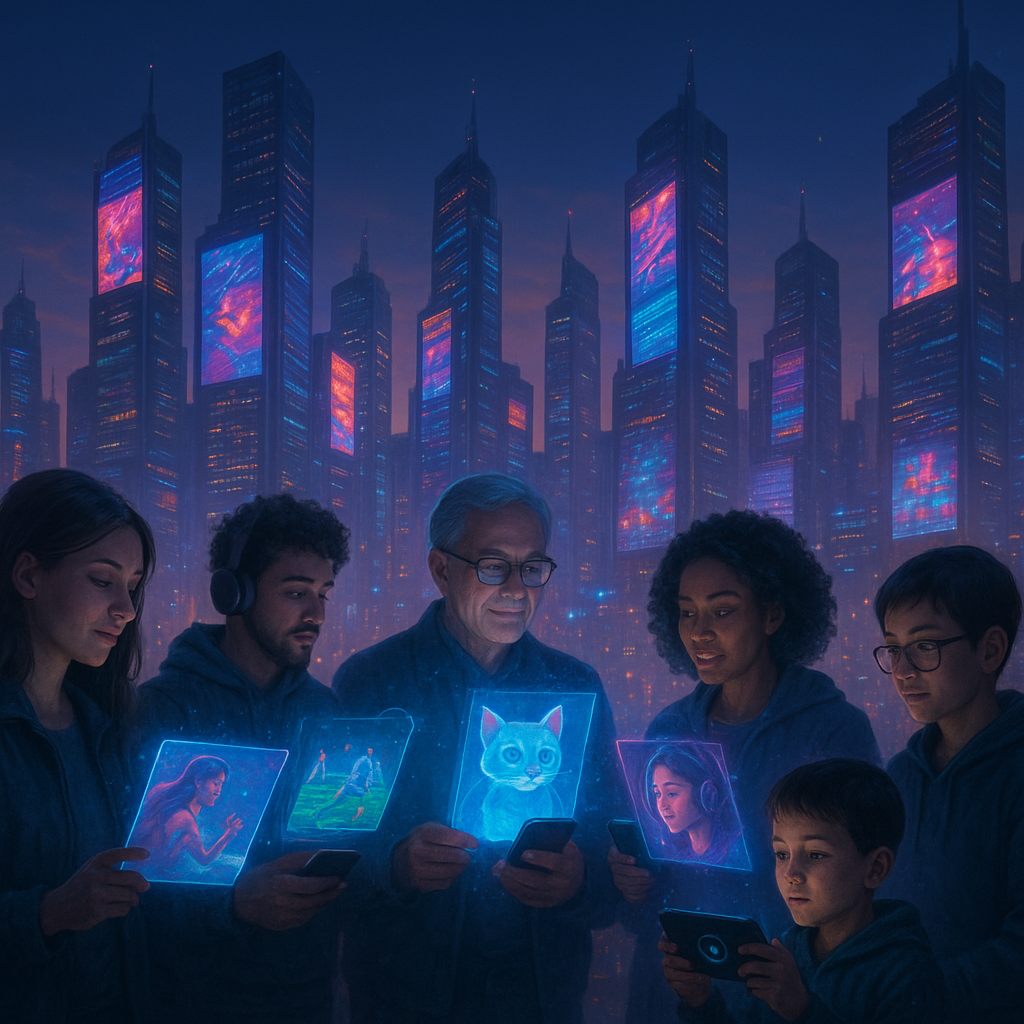
Picture a typical evening: millions of viewers across continents simultaneously engage with personalized streams of movies, live sports, gaming content, and interactive experiences—all tailored by sophisticated algorithms. This ubiquity of streaming has not only redefined access but also altered cultural narratives and industry economics. According to industry analysts, streaming now accounts for more than 70% of all global video entertainment consumption, a staggering rise from just 20% a decade ago.
Such rapid expansion brings with it new challenges and opportunities. The dynamics of content creation, distribution, and monetization are evolving at breakneck speed, forcing stakeholders to rethink traditional models. As we explore this landscape, it becomes clear that streaming is no longer just a delivery mechanism but a transformative force shaping the future of entertainment.
Tracing the Path: From Early Streaming to 2026’s Ecosystem
The roots of streaming trace back to simple internet video delivery in the early 2000s, with platforms like YouTube pioneering user-generated content and pioneering streaming technology. However, the real inflection point came in the 2010s when Netflix, Amazon Prime Video, and Hulu invested heavily in original content and global expansion.
By 2020, a proliferation of niche and generalist streaming services created a fragmented market often dubbed the 'streaming wars'. This period saw intense competition for subscribers, leading to increased content budgets and diversification into genres and formats. The rise of mobile broadband and smart TVs accelerated consumer adoption globally.
As of 2026, streaming has matured into a multi-faceted industry encompassing:
- Subscription Video on Demand (SVOD): Giants like Netflix, Disney+, and HBO Max continue to dominate but face saturation in some markets.
- Ad-Supported Video on Demand (AVOD): Platforms like Pluto TV and Tubi leverage free content with advertising, attracting cost-conscious viewers.
- Live Streaming: Sports, esports, and events drive real-time engagement through platforms like Twitch and YouTube Live.
- Interactive and Immersive Media: Emerging technologies such as augmented reality (AR) and virtual reality (VR) are integrated into streaming to enhance user experiences.
This evolution reflects both technological innovation and shifting consumer demands, setting the stage for the complex ecosystem seen today.
Data-Driven Insights: The Forces Shaping Streaming’s Growth
Quantitative data from recent industry reports reveals several key drivers behind streaming’s explosive growth and continued transformation:
- Global Subscriber Growth: From 2023 to 2026, the global paid subscriber base grew at an average annual rate of 12%, with emerging markets in Asia-Pacific and Africa contributing the majority of new users, fueled by expanding internet infrastructure.
- Content Investment: Streaming companies collectively spent over $130 billion on original content in 2025, up 18% from the previous year, focusing on diverse stories and international productions.
- Device Penetration: Over 85% of households in developed markets now own at least one streaming-enabled device, including smart TVs, smartphones, and gaming consoles.
- Ad Revenue Growth: AVOD platforms experienced a 25% increase in ad revenues in 2025, highlighting advertiser confidence in targeted streaming audiences.
The competitive landscape is also influencing user behavior and platform strategies. For example, subscription fatigue has led to increased bundling deals and hybrid models combining subscription and advertising revenue. Platforms are leveraging advanced AI-driven personalization to reduce churn and increase engagement, as detailed in TheOmniBuzz’s analysis on streaming, AI, and global audiences.
"The future of streaming lies in creating seamless, hyper-personalized experiences that transcend devices and borders," says media analyst Dr. Lena Morales. "Platforms that innovate in content and technology will define entertainment in the next decade."
2026 Milestones: What’s New in Streaming This Year?
The year 2026 has brought several notable developments that are reshaping the streaming ecosystem:
- AI-Created Content: Advanced generative AI tools are now routinely used to assist in scriptwriting, editing, and even generating virtual actors, reducing production costs and timelines.
- Interactive Storytelling: Platforms have expanded choose-your-own-adventure style content with real-time viewer input, creating highly engaging narratives that blend gaming and film.
- Global Localization: Streaming services are investing heavily in region-specific content and multi-language interfaces to capture diverse audiences, particularly in Latin America, Africa, and Southeast Asia.
- 5G and Edge Computing: Enhanced network infrastructure is enabling ultra-low latency streaming, critical for live events and immersive AR/VR experiences.
- Sustainability Initiatives: Environmental concerns have led companies to adopt greener data centers and carbon-neutral streaming operations, responding to consumer and regulatory pressures.
Moreover, new market entrants are disrupting traditional models. For example, decentralized streaming platforms using blockchain technology offer creators direct monetization without intermediaries, attracting niche audiences and indie producers.
The streaming wars have also evolved from quantity of content to quality and exclusivity, with platforms focusing on curated premium experiences rather than sheer volume. This shift was highlighted in TheOmniBuzz’s piece on storytelling shifts and the streaming wars.
"2026 marks a pivot from content saturation to content curation," notes industry insider Raj Patel. "Viewers want meaningful engagement, not just endless scrolling."
Voices from the Industry: Expert Perspectives on Streaming’s Trajectory
Industry leaders and analysts offer a multifaceted view on streaming’s challenges and opportunities as it continues to redefine entertainment consumption.
Linda Chen, CEO of a leading streaming platform, emphasizes the importance of integrating technology with human creativity: "AI and machine learning enhance our understanding of audiences, but storytelling remains at the heart of what we do. The future belongs to platforms that balance innovation with authentic narratives."
Meanwhile, content creators express cautious optimism. Veteran producer Marco Alvarez points out, "While streaming offers unprecedented access and creative freedom, it also demands agility to meet rapidly changing audience tastes and formats. Collaboration between tech and creative teams is vital."
Regulatory experts warn that as streaming grows, issues like data privacy, content moderation, and antitrust concerns will become more prominent. Governments worldwide are introducing frameworks to ensure fair competition and protect consumer rights without stifling innovation.
- Key industry trends highlighted by experts include:
- Increasing convergence of gaming and streaming platforms
- Growth of niche, community-driven content ecosystems
- Focus on sustainable and ethical content production
- Expansion of live interactive events as a monetization avenue
These perspectives underscore the complexity of streaming’s ongoing evolution, where technology, creativity, policy, and consumer behavior intersect.
Looking Ahead: What the Future Holds for Streaming
The streaming sector’s trajectory suggests continued innovation and disruption. Key areas to watch in the coming years include:
- Hyper-Personalization: Enhanced AI models will deliver even more tailored content, advertising, and interactive features, creating unique experiences for every user.
- Immersive Media Growth: AR, VR, and mixed reality will become mainstream components of streaming, blending entertainment with social and gaming elements.
- Cross-Platform Ecosystems: Seamless integration between streaming, social media, gaming, and e-commerce platforms will redefine user engagement and monetization.
- Decentralized Models: Blockchain and Web3 technologies may democratize content ownership and revenue sharing, empowering creators and consumers alike.
- Global Cultural Exchange: Streaming will continue to break down cultural barriers, enabling diverse voices and stories to reach worldwide audiences.
Consumers should prepare for a more immersive, interactive, and personalized entertainment landscape, while industry players must adapt rapidly to technological advances and shifting market dynamics.
For those interested in maximizing their streaming experience today, TheOmniBuzz offers valuable insights on enhancing quality and engagement in Stream Smarter: Pro Tips to Elevate Your Streaming Experience.
Ultimately, streaming is not just altering what we watch but reshaping how stories are told and shared globally. Its next horizon promises a fusion of art and technology that could redefine entertainment for generations.