Choosing the best insulation materials for energy savings typically involves a choice between spray foam, cellulose, and fiberglass. These three options dominate the market because they effectively slow down heat transfer and keep indoor temperatures stable. Expert data shows that a properly insulated attic can reduce your heating and cooling costs by up to 15 percent.
This review provides a clear look at how these materials perform in real-world conditions. You will find details on their R-values, durability, and practical application methods. Professional home insulation experts recommend assessing your specific climate and house structure before making a final selection.
The following sections analyze the performance metrics that matter most to property owners. We examine air sealing capabilities and moisture resistance to help you decide which option fits your budget. Understanding these differences helps you make an informed decision for long-term comfort.
What makes certain materials more effective for saving energy?
Energy efficiency depends on more than just the Effective thermal insulation solutions for homes must address both conductive heat flow and air leakage. While fiberglass and cellulose provide reliable thermal resistance, they can sometimes allow air to pass through small gaps if not perfectly installed.
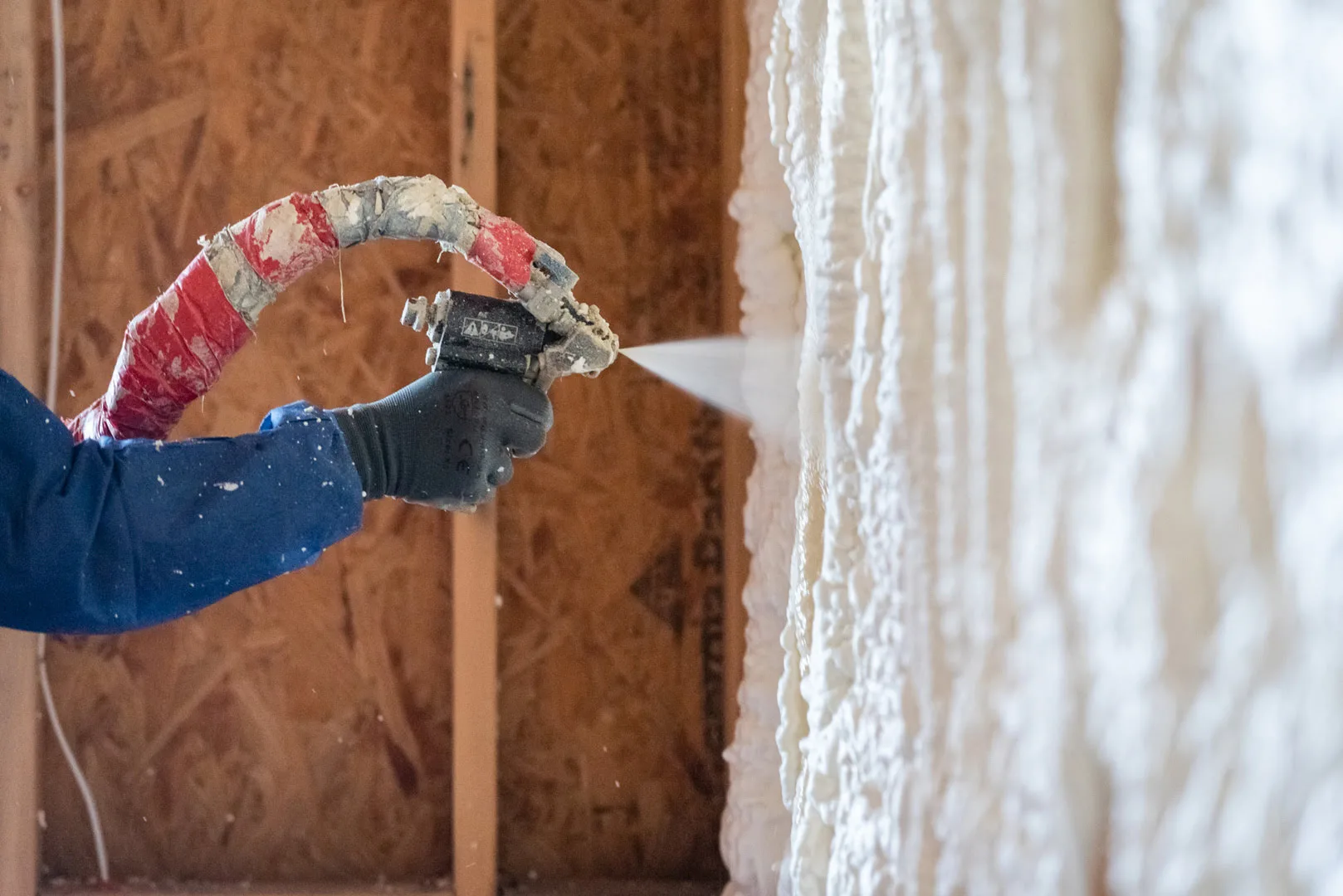
Spray foam stands out because it expands to fill every crack and crevice. This creates an airtight seal that prevents drafts and keeps conditioned air inside your living space. When considering the best insulation materials for energy savings, the ability to stop air movement is often as important as the R-value itself.
Comparison of top insulation materials

The performance of spray foam insulation
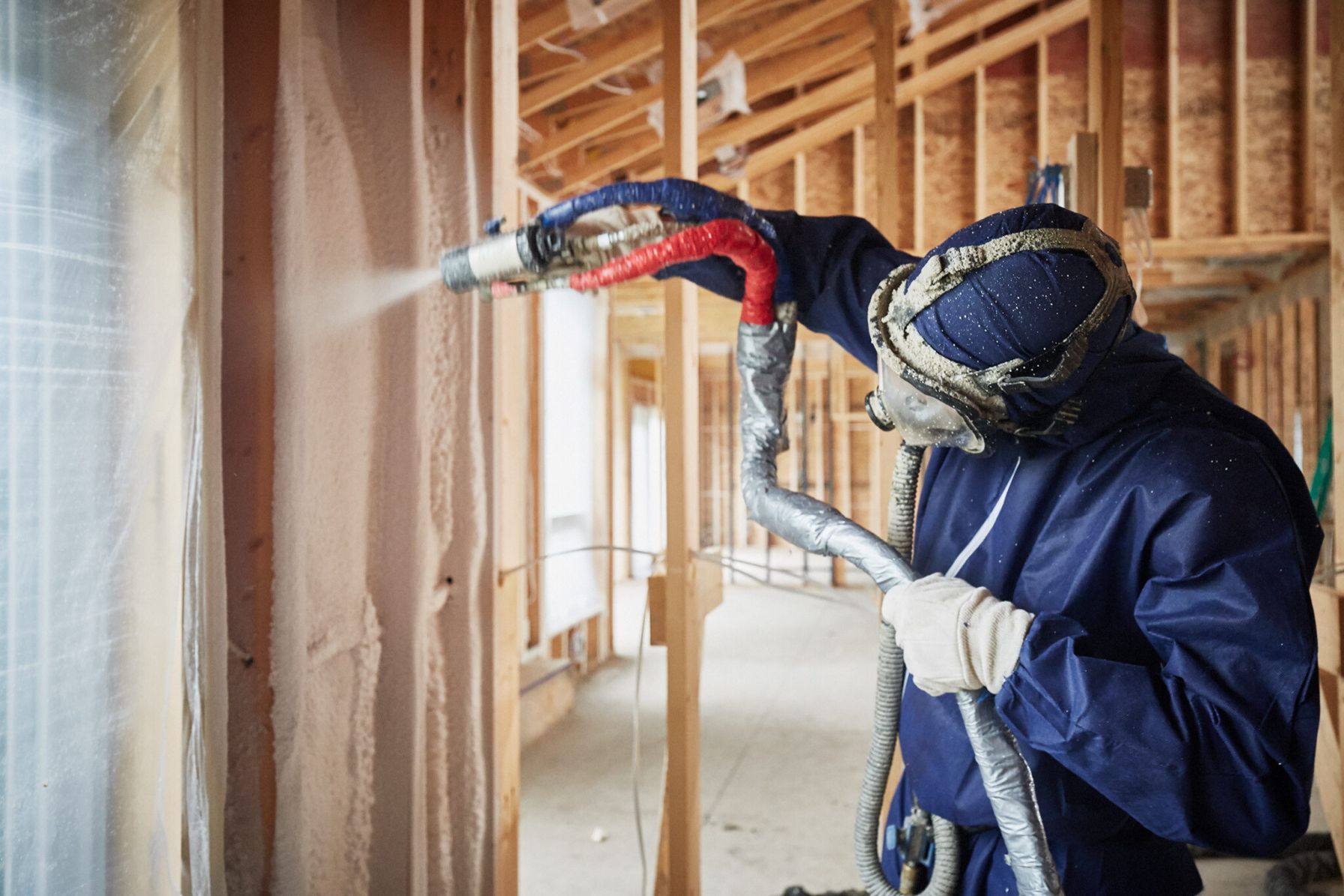
Spray foam is a chemical product that expands upon application. It is widely considered a top-tier choice for modern builds and major renovations. Because it adheres to surfaces, it stays in place without sagging over time.
This material comes in two varieties: open-cell and closed-cell. Open-cell is lighter and better for soundproofing, while closed-cell is denser and offers higher thermal resistance. Both types provide a high level of performance by eliminating the need for separate air sealing steps.
Why spray foam leads in efficiencyThe expansion property of spray foam allows it to reach difficult areas like rim joists and wall cavities. It effectively blocks moisture and prevents mold growth in damp environments. This makes it a popular choice for homeowners looking for a permanent solution.
2. The benefits of using cellulose
Cellulose is made from recycled paper products, mostly newsprint, treated with fire retardants. It is a dense material that is usually blown into attics or wall cavities. Its density makes it better at stopping airflow than standard fiberglass.
Many people choose cellulose because of its low environmental impact. It fills around wires and pipes more effectively than pre-cut batts. This material is excellent for retrofitting older homes where adding insulation without tearing down walls is necessary.
 Thermal performance of recycled materials
Cellulose maintains its R-value well even when temperatures drop significantly. The borate treatment used in the manufacturing process also makes it resistant to pests and fire. It provides a reliable barrier that keeps your home warm during harsh winters.
3. The reliability of fiberglass insulation
Fiberglass has been the industry standard for decades. It is composed of fine glass fibers and is available in batts or loose-fill form. It is naturally non-combustible and does not shrink or rot over time.
While it has a lower R-value per inch than foam, it remains a budget-friendly option for many projects. When installed correctly by professional energy-efficient insulation installation services, fiberglass can perform quite well. The key is ensuring there are no gaps or compressed areas in the material.
How fiberglass handles heat transferFiberglass works by trapping pockets of air within its structure. This slows down the movement of heat through walls and ceilings. It is a versatile material that works in almost any part of a home, from the basement to the roofline.
Bonus Tips for Material Selection
- Check the local building codes to ensure the R-value meets the minimum requirements.
- Consult with a professional to determine if a fiber-based product is suitable for your attic's specific humidity levels.
- Ask for a thermal imaging scan to see where your current insulation is failing.
How insulation reduces energy costs and improves comfort
The primary way insulation saves money is by reducing the workload on your HVAC system. When your walls and attic are well-insulated, your furnace and air conditioner do not have to run as often. This leads to lower monthly bills and a longer lifespan for your heating and cooling equipment.
Good insulation also eliminates cold spots and drafts. This creates a more uniform temperature throughout your home. Beyond the financial savings, the increased comfort is a major reason people seek an insulation upgrade company.

Things to think about before you start an insulation project
You should evaluate the current state before buying any materials. Check for existing water damage or pest issues, as these must be fixed first. If your current insulation is wet or moldy, it must be removed entirely.
Consider your long-term goals for the property. If you plan to stay in the house for many years, investing in higher-end materials like spray foam may offer a better return. If you are preparing a house for sale, a quick blow-in of cellulose might be the more practical choice.
Evaluating your budget and ROI
The initial cost of materials varies widely. Spray foam is the most expensive upfront but offers the highest energy savings. Fiberglass is the most affordable but may require more maintenance or topping up in the future.
Identifying air leaks and gaps
Insulation alone cannot fix a home that has major air leaks around windows and doors. You should look for a comprehensive approach that includes weatherstripping and caulking. Combining these efforts with the best insulation types for home efficiency creates the best results.
Managing moisture and ventilation
Proper airflow is necessary to prevent wood rot and mold. If you seal your attic too tightly with foam, you might need to adjust your ventilation strategy. A professional can help you balance airtightness with healthy air exchange, which is especially vital in regions with unique environmental demands.
Additional Information on R-Values
R-value measures the resistance to heat flow. The higher the number, the better the material. Different regions require different R-values based on local weather patterns and average temperatures.
Regional considerations for the Pacific Northwest
In damp climates like Seattle, moisture control is a top priority for any home improvement project. High humidity can cause traditional fiberglass batts to lose their effectiveness if they become damp. This is why many residents in the area prefer closed-cell spray foam or treated cellulose.
These materials help prevent the buildup in wall cavities. Protecting your home from the constant rain and moisture of the Northwest requires a material that does not hold water. Choosing the right product ensures your energy-saving success lasts for decades.
Why professional installation matters for energy success
Even the best materials will fail if they are installed poorly. Gaps as small as half an inch can reduce the effectiveness of your insulation by a significant percentage. Professionals have the tools to ensure every corner is covered and every crack is sealed.
They also understand the safety protocols required for handling chemicals or dusty materials. Hiring experts ensures that your home meets fire safety standards and building codes. Proper installation is the final step in ensuring you get the most out of your investment.
Bonus Tips for Homeowners
- Seal all bypasses, such as recessed lights and plumbing stacks, before adding new attic insulation.
- Wear protective gear, including a mask and goggles if you are inspecting your own crawl space.
Evaluating your goals for a more efficient home
Reviewing the best insulation materials for energy savings shows that there is no one-size-fits-all answer. Your choice depends on your house's design, your local climate, and your financial plan. While spray foam offers the best seal, cellulose and fiberglass remain excellent options for many scenarios.
Take the time to inspect your attic and crawl space. Look for signs of aging insulation like settling or discoloration. By taking a proactive approach to your home's thermal envelope, you can enjoy a more comfortable living environment and significantly lower utility costs.
Get a professional assessment for your Seattle home
If you are looking to lower your energy bills, contacting an insulation upgrade company for energy savings is a smart first step. The team at Cascadia Spray Foam Insulation of Seattle provides expert advice on the best insulation materials for energy savings based on your specific needs. They can help you determine if spray foam or another material is right for your property. You can reach them at (425) 386-3500 or by emailing [email protected] to discuss your project. For more details on their location and service area, visit their map at https://maps.app.goo.gl/axDkdWYaW2QvbU1h9. They offer a free quote to help you plan your energy efficiency improvements with confidence.
Common questions about home insulation performance
Which insulation material has the longest lifespan?
Closed-cell spray foam typically lasts the longest, often exceeding 80 years. It does not sag or settle like fiberglass or cellulose, meaning it maintains its R-value for the life of the building.
Can I add new insulation on top of old material?
You can often add new loose-fill insulation over old fiberglass or cellulose if the original material is dry and free of mold. However, if the old insulation is damp or contains pest waste, it should be removed.
How do I know if my home needs more insulation?
If your energy bills are rising or your rooms feel drafty, you likely need an upgrade. You can also check the depth of your attic insulation; if you can see the floor joists, you probably need more.
Is spray foam safe for indoor air quality?
Once spray foam has fully cured, which usually takes 24 to 48 hours, it is inert and safe. It can actually improve air quality by blocking outdoor pollutants and allergens from entering through cracks.
Does insulation help with summer cooling?
Yes, insulation is just as effective at keeping heat out during the summer as it is at keeping it in during the winter. It prevents the sun's heat from radiating through your roof and into your living space.