Remodeling in West Virginia should account for three major factors: climate, the age of the home, and the property’s terrain. Heavy rainfall and flooding can influence drainage and moisture-control decisions, while older homes may need updates to plumbing, electrical systems, windows, roofing, and insulation. Steep or uneven terrain can also affect foundations, drainage, retaining structures, and additions. Working with experienced remodeling contractors helps homeowners develop remodeling services that address the property's existing conditions instead of relying on a one-size-fits-all design.
How West Virginia's Climate Influences Remodeling
West Virginia experiences significant rainfall, and the state's mountainous topography can accelerate runoff toward valleys, streams, and rivers. The West Virginia State Resiliency Office identifies flooding as a significant statewide hazard, particularly because steep terrain can cause water to move quickly during heavy rainfall.
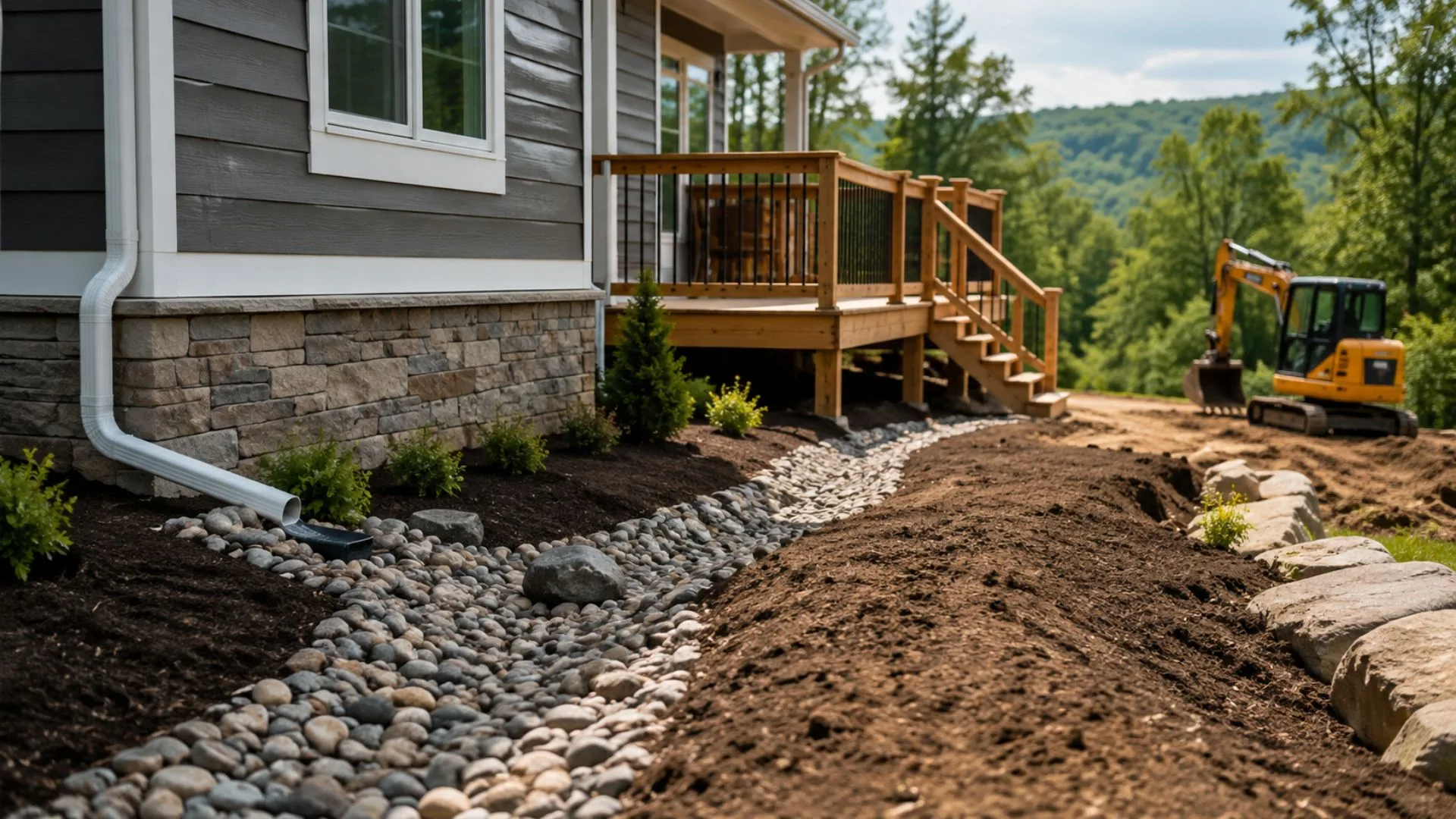
For homeowners, this makes moisture management an important part of remodeling. Projects may include improved gutters and downspouts, better grading, basement waterproofing, drainage improvements, moisture-resistant materials, and properly sealed windows and doors.
A remodeling project should solve the underlying moisture problem rather than simply cover visible damage.
Home Age Changes Remodeling Priorities
The age of a house can determine which improvements deserve attention first. Older properties may contain outdated plumbing, electrical components, insulation, windows, flooring, or structural materials.
The U.S. Census Bureau reports that older-home improvement projects commonly include plumbing fixtures, flooring, drywall, ceilings, water heaters, windows, doors, roofs, and exterior improvements.
Before beginning cosmetic remodeling, homeowners should consider whether hidden systems need attention. Updating these components during a planned renovation can be more practical than opening finished walls later.
Terrain Matters in West Virginia Remodeling
West Virginia's Appalachian terrain can create challenges that are less common on flat properties. Steep slopes may affect foundation work, drainage, driveways, additions, decks, and outdoor living spaces.
The state also recognizes landslides as a hazard associated with steep slopes, rainfall, erosion, groundwater changes, and human disturbance.
For hillside homes, remodeling contractors may need to evaluate drainage patterns, soil conditions, retaining structures, foundation stability, and how proposed additions interact with the slope.
Choosing the Right Remodeling Services
Effective remodeling services should begin with an assessment of the existing home. Depending on the property, priorities may include:
- Kitchen or bathroom remodeling
- Basement improvements
- Window and door replacement
- Flooring and interior updates
- Roofing and exterior improvements
- Drainage and moisture-control work
- Decks, porches, and outdoor living areas
- Accessibility improvements
Permits and local requirements should also be checked before work begins. West Virginia notes that renovations may be subject to state building codes and local zoning requirements, which can vary by location.
FAQs
Why does climate matter when remodeling a WV home?
Rainfall, flooding, temperature changes, and moisture can influence material selection, drainage, insulation, windows, roofing, and basement improvements.
Should older WV homes receive an inspection before remodeling?
Yes. Reviewing major systems before renovation can uncover plumbing, electrical, structural, or moisture problems that could affect the remodeling plan.
Does sloped terrain increase remodeling complexity?
It can. Steep terrain may require additional attention to drainage, foundations, retaining structures, erosion, and site access.
How do I choose remodeling contractors in West Virginia?
Look for properly licensed professionals with relevant experience, clear project scopes, references, and knowledge of local permitting requirements. The West Virginia Contractor Licensing Board oversees contractor licensing under the state's Contractor Licensing Act.
What is the best approach to remodeling in WV?
Start with the home's condition and property characteristics. Climate, age, terrain, drainage, structural needs, and local requirements should guide the project before aesthetic choices are finalized.